
The Calculated Risk of Iranian Retaliation: A Test of Gulf Arab Resolve
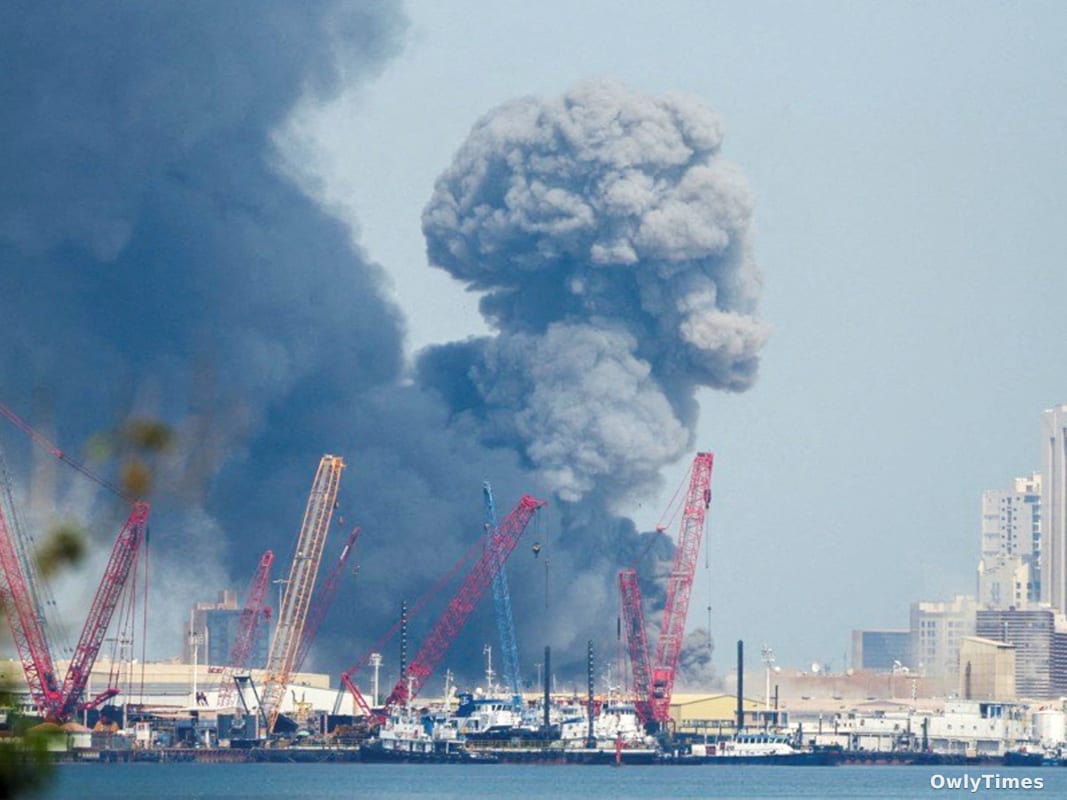
The coordinated missile and drone strikes across the Gulf Arab states by Iran this weekend weren't a spontaneous outburst, but a carefully calibrated response designed to inflict pain while minimizing escalation – a strategic calculus rooted in Tehran’s perception of having been the initial aggressor. Following a joint US-Israeli attack on Iranian soil, the IRGC’s claim that “all US assets throughout the region are considered legitimate targets” wasn’t mere rhetoric; it was the framework for a measured retaliation intended to signal resolve without triggering a full-scale war. The choice of targets – Bahrain, Kuwait, Qatar, and the UAE – reveals a deliberate attempt to pressure key US allies while avoiding direct confrontation with the US military itself, at least for now.
Who benefits and who loses from this carefully orchestrated display of force? Iran demonstrably benefits by asserting its right to self-defense and projecting an image of strength in the face of perceived aggression. The strikes serve as a warning to both the US and Israel, demonstrating Iran’s ability to disrupt regional stability and retaliate against actions it deems threatening. Conversely, the Gulf Arab states – particularly Bahrain, hosting the US Navy’s 5th Fleet – are the immediate losers, facing direct attacks on their territory and infrastructure. The UAE, with its significant US military presence and economic ties, also suffers reputational damage and potential disruption to its trade routes. The US, while not directly targeted with devastating force, faces a heightened security threat and the challenge of reassuring its allies while preventing further escalation.
Original reporting: Al Jazeera.
The current situation echoes historical precedents, most notably the Iran-Iraq War (1980-1988). Then, as now, Iran employed asymmetric warfare tactics – missile strikes, naval skirmishes – to counter a more powerful adversary. The 1980s saw Iran targeting oil tankers and shipping in the Persian Gulf, attempting to disrupt global oil supplies and pressure Western powers. This current campaign, while more targeted, shares a similar logic: leveraging Iran’s regional reach and asymmetric capabilities to inflict economic and political costs on its opponents. The closure of the Strait of Hormuz, a vital oil export route, further underscores this parallel, mirroring Iran’s past threats to choke off global energy supplies. The fact that Oman, a long-standing mediator between Iran and the US, was spared direct attack suggests a desire by Tehran to maintain a channel for communication, even amidst escalating tensions. The collapse of recent indirect talks in Oman, facilitated by the Omani Foreign Minister Badr Albusaidi, underscores the fragility of diplomatic efforts in the face of military action.
Qatar’s experience of being targeted twice last year – once by Iran and once by Israel – highlights the precarious position of Gulf states caught between competing regional powers. The Qatari Foreign Ministry’s condemnation of the attacks, despite its own history of being a target, demonstrates the growing pressure on these nations to condemn Iran’s actions while simultaneously navigating complex relationships with both Tehran and Washington. The Iraqi government’s response, condemning the attacks on Erbil Airport and Jurf al-Nasr, further complicates the regional landscape, highlighting the internal divisions and external pressures facing Iraq as it attempts to maintain neutrality.
The political chess move to watch next is how the US responds to Iran’s calculated retaliation. Will Washington opt for a measured response, focused on deterring further attacks and reassuring allies, or will it escalate the conflict with a more forceful military action? The statements from Saudi Arabia, emphasizing that its airspace and territory were not used to target Iran, suggest a desire to de-escalate the situation. However, the pressure on the Biden administration to demonstrate resolve and protect US assets in the region will be immense. The key question is whether the US can contain the conflict within a limited scope, or if Iran’s actions will trigger a wider regional war.





