
The Strait of Hormuz as a Pressure Point: Israel’s Targeting of Iranian Naval Command
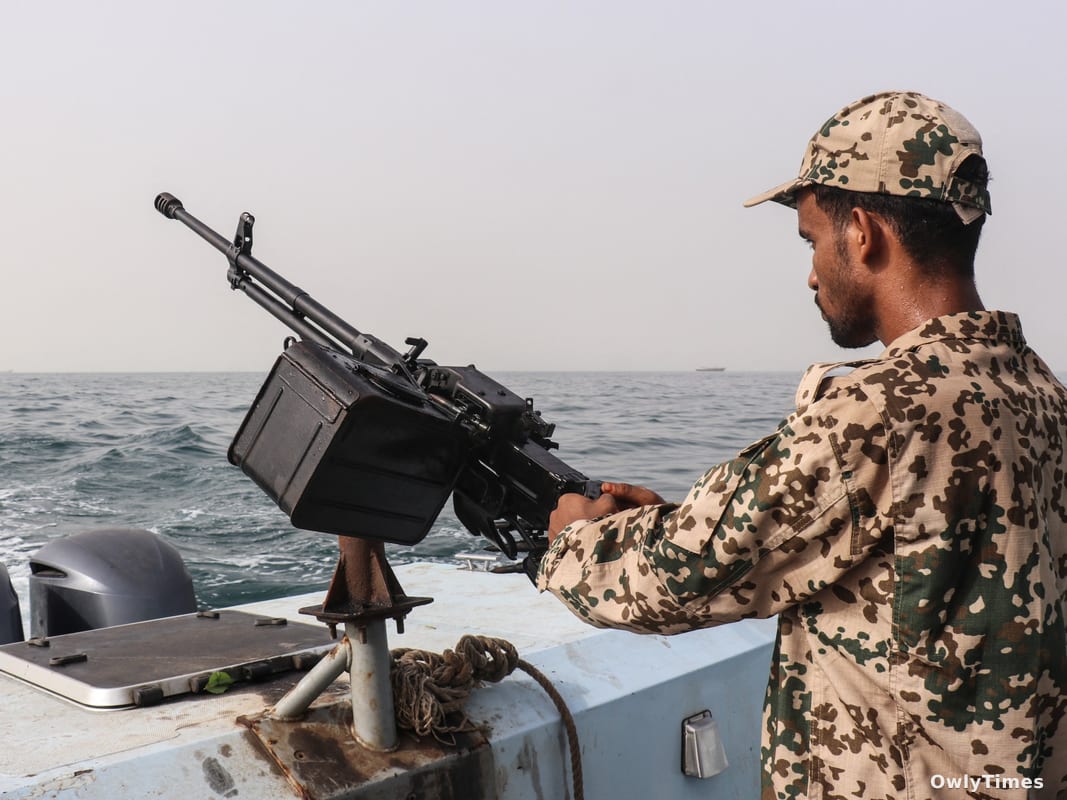
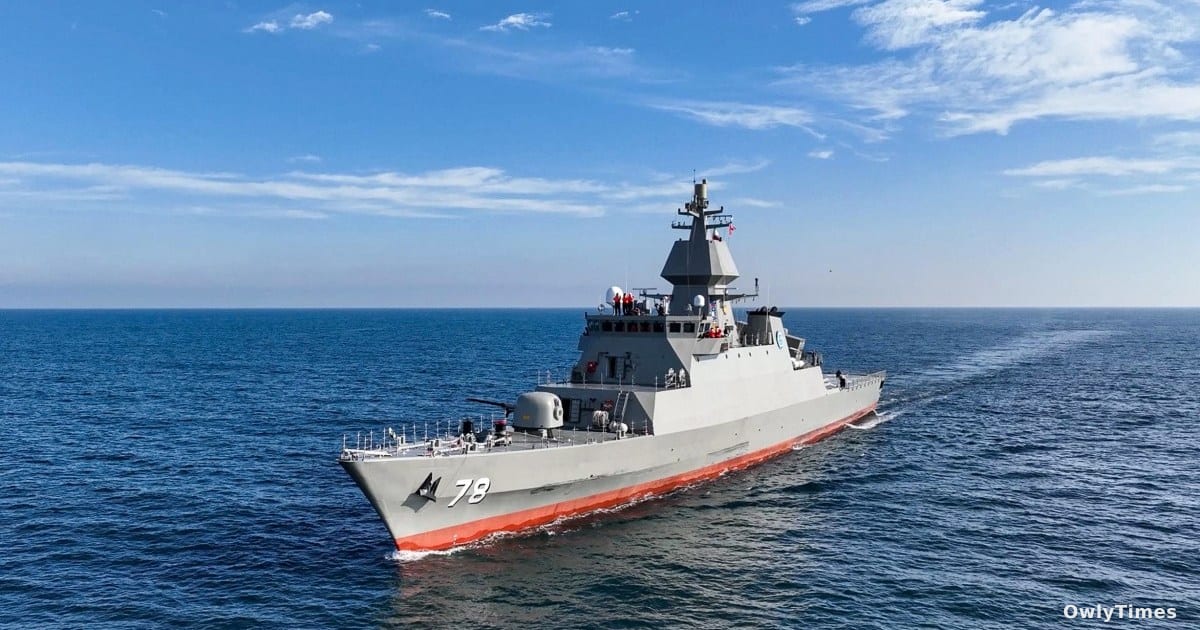
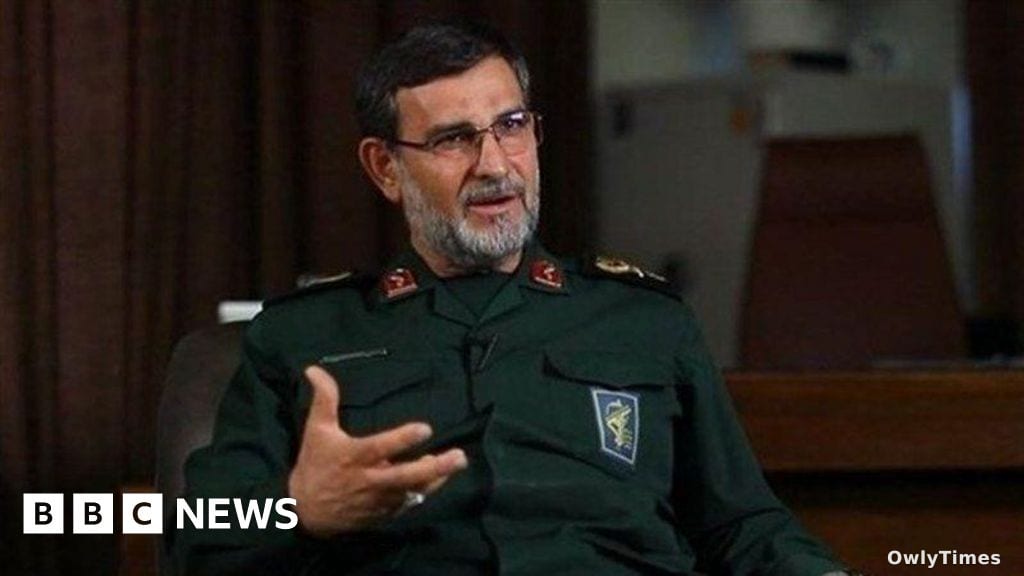
The reported elimination of Alireza Tangsiri, commander of the Islamic Revolutionary Guard Corps (IRGC) navy, isn’t simply a tactical strike; it’s a calculated escalation aimed at fracturing Iran’s ability to project power and disrupt global energy markets. Israel’s move, confirmed by Defence Minister Israel Katz and accompanied by the killing of IRGC Navy intelligence chief Behnam Rezaei, directly targets the architecture of Iran’s increasingly assertive naval strategy – specifically, the near-total blockade of the Strait of Hormuz. This isn’t a spontaneous reaction to Iranian aggression, but a deliberate attempt to raise the costs of that aggression to a level that compels a strategic reassessment in Tehran. The timing, coinciding with rising oil prices and ongoing conflict, underscores the economic warfare dimension of this conflict.
Based on the original the BBC report.
Economic Leverage and the Hormuz Chokepoint
The significance of the Strait of Hormuz cannot be overstated. Approximately 20% of the world’s oil and liquefied natural gas transits this narrow waterway, making it arguably the most strategically important chokepoint globally. Iran’s efforts to effectively blockade the strait, a key pillar of its war strategy since February 28th, have already demonstrably impacted global markets. Oil prices have risen in direct correlation with the perceived threat to shipping lanes, effectively transferring a financial burden of the conflict onto consumers worldwide. Tangsiri himself, through a verified X account cited by Iranian media, publicly justified the blockade, declaring that vessels linked to perceived “aggressors” would be denied passage. This wasn’t rhetoric; it was a public articulation of a policy actively being implemented. The assassination of the architect of this policy is therefore a direct challenge to Iran’s economic leverage.
A Pattern of Targeted Killings and Escalating Risk
This operation fits a clear pattern established by Israel since the start of the conflict: the targeted assassination of high-ranking Iranian officials. Prior targets have included figures as prominent as Supreme Leader Ayatollah Ali Khamenei and security chief Ali Larijani. While Iran has yet to officially comment on Tangsiri’s death, this escalating series of strikes suggests a willingness to accept increased risk in pursuit of weakening Iran’s command structure. The US, through US Central Command, has offered tacit support, framing Tangsiri’s death as making the region “safer” and predicting an “irreversible decline” for the IRGC navy, even going so far as to call on IRGC members to desert their posts. This level of public endorsement from Washington, while carefully worded, represents a significant departure from previous attempts to distance itself from Israeli operations.
Historical Echoes: Naval Blockades and Strategic Calculation
The targeting of naval commanders to disrupt blockade strategies has historical precedent. During the American Civil War, the Union Navy’s blockade of Confederate ports aimed to strangle the South’s economy, and Confederate attempts to break it involved targeting Union naval officers. Similarly, during the Napoleonic Wars, Britain’s naval dominance and blockades were central to its strategy against France. Israel’s current approach, while employing modern methods, echoes this historical logic: deny the adversary the means to exert economic pressure. However, unlike those historical examples, this conflict operates within a highly interconnected global economy, and the potential for miscalculation – a wider regional war triggered by a perceived overstep – is exceptionally high. Tangsiri’s prior sanctioning by the US Treasury in 2019, following the downing of a US drone, highlights the long-standing tensions and the existing framework for targeting IRGC commanders.
The Next Move: Iranian Response and the Future of the Strait
The immediate question is not if Iran will respond, but how. A direct military retaliation against Israeli assets risks a full-scale escalation. A more likely scenario involves intensified asymmetric warfare – attacks on shipping in the Persian Gulf and Red Sea, potentially utilizing proxy forces. The US Central Command’s call for IRGC members to abandon their posts is a calculated attempt to sow discord within the Iranian military, but its success is far from guaranteed. The critical chess move to watch is whether Iran attempts to reconstitute the blockade of the Strait of Hormuz with a new commander. If Tehran prioritizes maintaining pressure on global energy markets, it will signal a commitment to escalation, and a willingness to accept the associated risks. The world will be watching to see if the void left by Alireza Tangsiri is filled by a figure equally committed to disrupting maritime traffic, or by someone more cautious, signaling a potential shift in Iranian strategy.