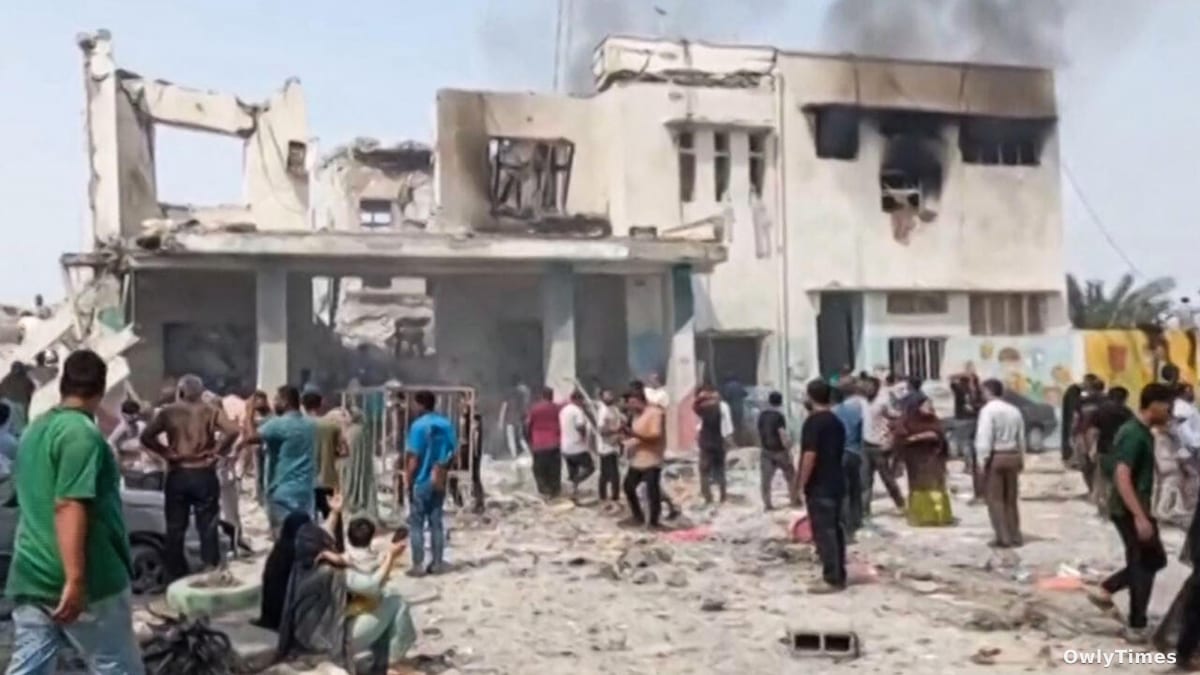

The calculated escalation – targeting both symbolic leadership and potential military infrastructure – reveals a shift in the US-Israeli strategy toward Iran, moving beyond containment to demonstrable regime pressure. The strikes, while framed as a response to unspecified Iranian aggression, are calibrated to inflict maximum disruption and signal a willingness to accept heightened risk, even if that risk includes direct human cost. This isn’t simply about neutralizing threats; it’s about reshaping the negotiating position, or potentially, preparing for a more comprehensive shift in regional power dynamics. The immediate aftermath – Iran’s missile strikes against US bases – confirms this escalation is not a contained event.
The Strategic Logic of Targeting Leadership
The reported targeting of Ayatollah Ali Khamenei’s office and Masoud Pezeshkian, the Iranian President, isn’t accidental. While the Ayatollah’s actual presence remains unconfirmed, striking the symbolic center of Iranian power sends a clear message: no one is untouchable. This tactic echoes historical precedents, notably the US bombing of Muammar Gaddafi’s compound in Libya in 1986, intended to deter further Libyan support for terrorism. However, the Libyan strike, while controversial, occurred after a clear act of provocation – the La Belle discotheque bombing. The current situation lacks that immediately preceding catalyst, suggesting a pre-planned escalation rather than a reactive measure. The 85 reported deaths at a girls’ school in Minab, Hormozgan province – a city known to house a base for Iran’s Revolutionary Guard – further complicates the narrative. While the Guard’s presence justifies the location as a military target, the civilian casualties introduce a significant moral and political cost, both domestically within Iran and internationally.
This piece references the france24.com report.
Who Benefits and Who Loses in the Immediate Aftermath?
The immediate beneficiaries of this escalation are hardliners within both the US and Israeli political establishments. For Donald Trump, the declaration of “major combat operations” on social media serves a clear domestic political purpose, reinforcing his image as a decisive leader willing to confront adversaries. Within Israel, the strikes likely appease factions demanding a more forceful response to Iranian regional activities. Conversely, Joe Biden’s administration, if complicit as the reports suggest, faces a significant risk of being drawn into a wider conflict with potentially devastating consequences. Iran, predictably, loses face and suffers material damage, but also gains a powerful narrative of victimhood and external aggression, potentially bolstering domestic support for its nuclear program and regional policies. The broader region, already destabilized by ongoing conflicts, faces increased volatility and the risk of proxy wars escalating into direct confrontation. The 85 deaths reported by Iran’s judiciary, if verified, will undoubtedly fuel anti-American and anti-Israeli sentiment throughout the Middle East.
The Silence from Washington and the Pattern of Deniability
The White House’s initial silence following the reports of the strikes is a telling detail. This isn’t a case of simply needing time to gather information; it’s a deliberate strategy of maintaining plausible deniability. The US has historically employed this tactic – providing tacit support for Israeli operations while avoiding direct acknowledgement to limit its own exposure. This pattern was evident during numerous instances of alleged Israeli strikes against Iranian nuclear facilities. However, Trump’s subsequent video statement breaks that pattern, explicitly claiming US involvement. This could be a calculated attempt to take ownership of the escalation and deter further Iranian retaliation, or a reckless disregard for the potential consequences. The lack of independent verification regarding the extent of US involvement complicates the assessment, but the coordination required for such a large-scale operation suggests a high degree of collaboration.
Historical Echoes of the Tanker War and the Iran-Iraq Conflict
The current situation bears unsettling similarities to the “Tanker War” of the 1980s, a period of escalating attacks on oil tankers in the Persian Gulf during the Iran-Iraq War. The US, supporting Iraq, intervened to protect shipping lanes, leading to direct clashes with Iranian forces. The risk of a similar scenario unfolding – with Iran disrupting oil supplies and the US responding with military force – is now significantly higher. Furthermore, the targeting of Iranian leadership evokes the desperate measures employed during the final stages of the Iran-Iraq War, when both sides resorted to attacks on civilian targets in an attempt to break the stalemate. The potential for miscalculation and escalation, as seen in the downing of Iran Air Flight 655 by the US Navy in 1988, remains a critical concern.
The Next Chess Move: Assessing Iran’s Red Lines
The immediate political chess move to watch is not whether Iran will respond with further missile strikes – that is almost guaranteed. The crucial question is where and how Iran will retaliate. Will it focus on US military assets in the region, risking a direct confrontation? Or will it target Israeli infrastructure, potentially triggering a wider regional war? More subtly, will Iran accelerate its nuclear program, crossing a previously unspoken “red line” that would compel a more decisive response from the US and Israel? The answer will likely hinge on Iran’s assessment of its own deterrent capabilities and its willingness to accept the consequences of further escalation. The coming days will reveal whether this is a calculated gamble to reshape the regional order, or the first step towards a far more dangerous conflict.





