
$0 in revenue is the projected outcome for any vessel caught in the web of the latest U.S. maritime interdiction campaign, but the broader cost to global energy logistics is proving far higher. On April 21, 2026, the scope of American naval enforcement shifted decisively away from the Persian Gulf, marking a transition from regional containment to global disruption of Iranian trade routes. By moving operations into the Indian Ocean, the United States is effectively signaling that the "shadow fleet" utilized by sanctioned states no longer has the luxury of distance.
Beyond the Strait of Hormuz
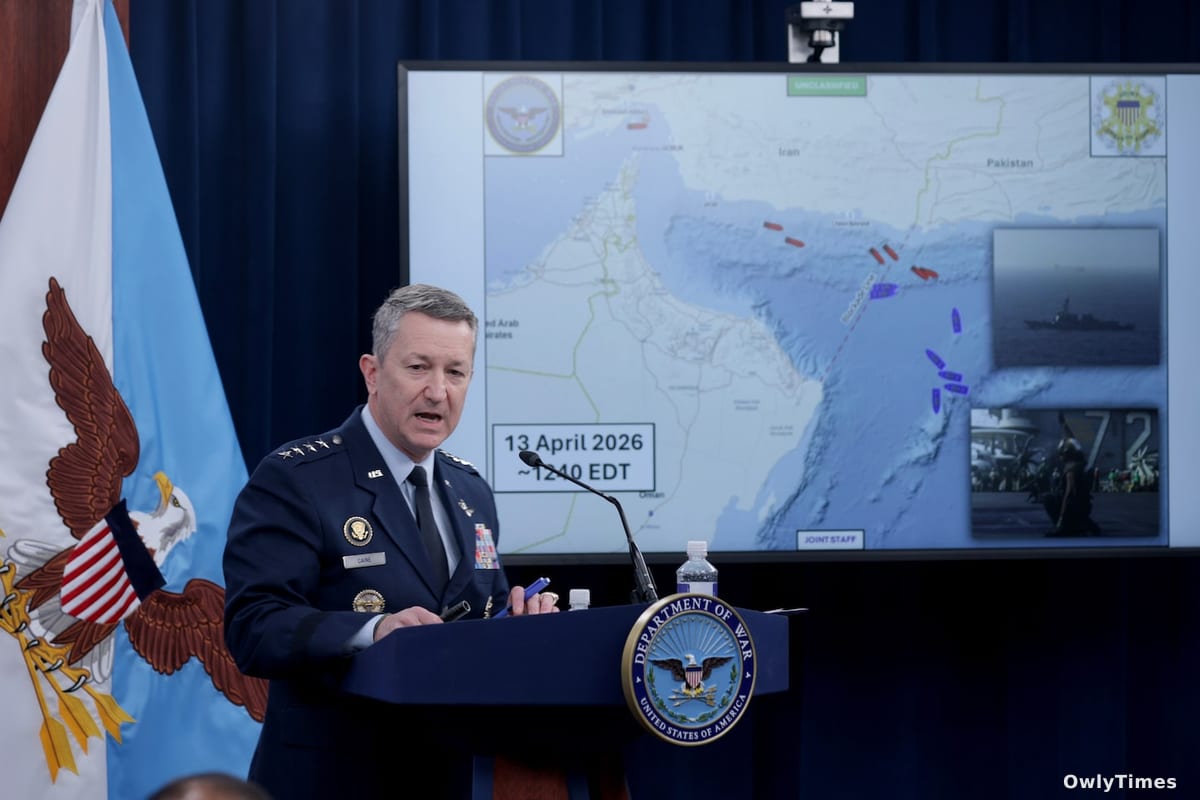
For years, the Strait of Hormuz served as the primary choke point for U.S. monitoring of Iranian oil exports. However, the recent seizure of a tanker ship in the Indian Ocean, confirmed by officials on Tuesday, demonstrates that this tactical focus has widened significantly. Gen. Dan Caine, chairman of the Joint Chiefs of Staff, recently highlighted the geographic expansion of these operations during a Pentagon briefing, where he displayed a map detailing the blockade strategy. The move suggests a strategic pivot: rather than waiting for tankers to enter contested waters, U.S. forces are now intercepting them in open ocean transit.
The Economics of Interdiction
Follow the money and the logic of this policy becomes clear. The seizure follows a direct directive from the Trump administration aimed at crippling the financial viability of sanctioned oil networks. By targeting vessels off the western coast of India, the U.S. is not merely stopping a single shipment; it is increasing the insurance premiums and operational risks for every entity involved in the illicit trade of Iranian crude. When maritime insurance providers factor in the probability of a U.S. boarding action in the Indian Ocean, the margin on smuggled oil vanishes, forcing these vessels to either exit the market or face total asset forfeiture.
Tactical Escalation and Market Risk
The escorting of at least one additional vessel off India’s coast indicates a highly coordinated operation, rather than an isolated enforcement action. This represents a significant escalation in the enforcement of sanctions, as the theater of operation now spans thousands of miles of critical trade lanes. For the shipping industry, the uncertainty surrounding these routes creates a "risk premium" that inevitably trickles down to global fuel markets. If the frequency of these seizures continues to rise, shippers will be forced to reconsider the viability of routes that were previously considered safe from such intervention.
What This Means for Your Wallet
Investors and consumers should view these naval operations as a direct influence on the volatility of energy prices. While the seizure of a few tankers does not fundamentally alter global oil supply, the chilling effect on illicit supply chains creates a supply constraint that can lead to price spikes. As you monitor your monthly expenses, keep a close eye on the volume of tankers successfully diverted or seized, as this metric will serve as the primary indicator of whether energy transit costs remain stable or face further inflationary pressure due to heightened geopolitical friction in the Indian Ocean.