
The world is fixated on troop deployments and ceasefire proposals in the escalating conflict between Iran and the U.S., but that’s a distraction. The real story here isn’t about preventing a wider war – it’s about Iran fundamentally reshaping the economic and geopolitical landscape of the Middle East, and daring the world to respond. While headlines scream about potential ground invasions and nuclear disarmament, Tehran is quietly leveraging its control over vital trade routes and regional proxies to dictate terms, and the current flurry of diplomatic activity feels less like genuine negotiation and more like damage control.
The rejection of President Trump’s proposal on Wednesday, coupled with Iran’s own five-point counterproposal, isn’t a sign of intransigence; it’s a calculated power play. Demands for war reparations and recognition of sovereignty over the Strait of Hormuz aren’t concessions to be bartered away – they’re non-negotiable principles for Iran, signaling a willingness to endure significant economic pain to achieve its objectives. This isn’t about preventing a nuclear Iran, as the U.S. initially framed the conflict; it’s about establishing Iran as the dominant regional power, capable of disrupting global energy supplies and challenging Western influence. The fact that the U.S. proposal, as reported by The New York Times and Israel’s Channel 12, even included dismantling existing nuclear capabilities suggests a level of desperation not publicly acknowledged by the White House.
See the original NPR story for the full account.
The deployment of between 2,000 and 3,000 U.S. Army paratroopers from the 82nd Airborne Division, alongside Marine Expeditionary Units already heading to the Persian Gulf, is a predictable escalation, but it’s also a reactive one. The U.S. is responding to events, not dictating them. The ability to mobilize troops within 18 hours is impressive, but it doesn’t translate to control over a situation where Iran holds the choke point on roughly 20% of the world’s oil supply. Iran’s announcement that it will allow passage of “non-hostile” ships through the Strait of Hormuz – excluding U.S., Israeli, and allied vessels – is a masterclass in asymmetric warfare. It’s a clear message: cooperate, or face economic consequences. The fact that Pakistan and India have already had ships waved through, while China and Iraq are negotiating safe passage, demonstrates Iran’s willingness to play favorites and further fracture the existing geopolitical order.
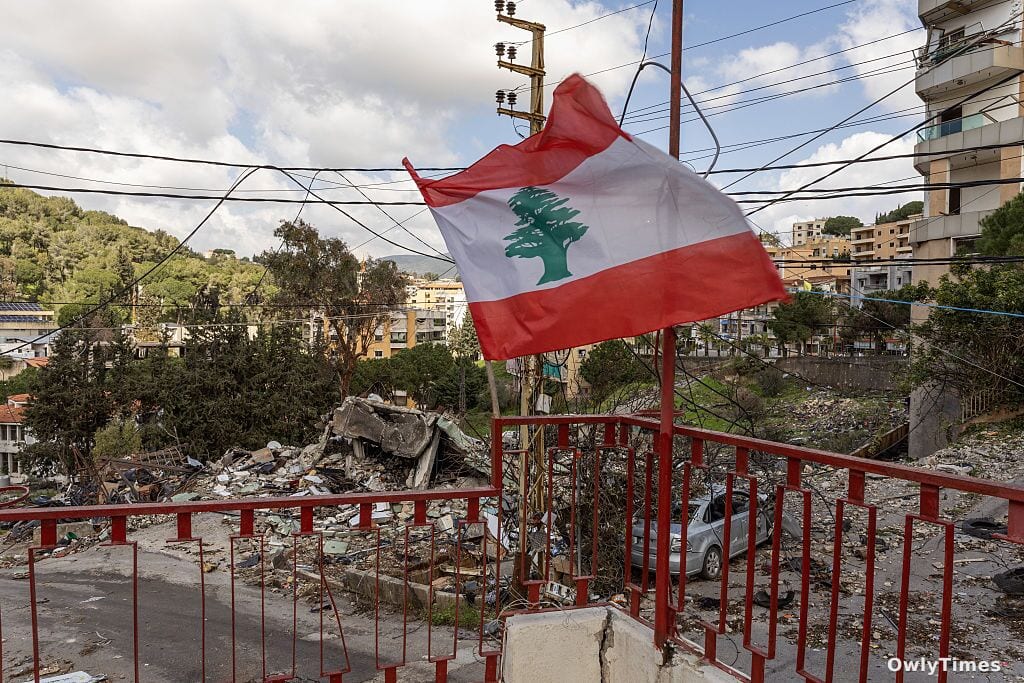
The situation in Lebanon is a stark illustration of Iran’s influence. Israel’s intensified operations against Hezbollah, resulting in over 1,000 deaths and a million displaced Lebanese citizens this month, are directly linked to Iran’s support for the militant group. Israel’s threat to apply the “model” of destruction seen in Gaza to Lebanon – essentially, razing residential areas – is a terrifying escalation, but it’s also a consequence of Iran’s unwavering commitment to its proxies. Lebanon’s decision to withdraw the Iranian ambassador’s accreditation is a symbolic gesture, but it won’t diminish Iran’s leverage within the country. The escalating attacks in Iraq, including the strike near an army medical center that killed seven soldiers, and the Iranian missile strikes in the Kurdistan region, further demonstrate Iran’s willingness to operate through regional proxies, muddying the waters and making direct attribution difficult.
The U.N.’s assessment of $63 billion in economic losses across the Arab region is a sobering reminder of the broader impact of this conflict. But the economic fallout is only the beginning. The disruption to global energy supplies, the potential for further escalation in the Strait of Hormuz, and the destabilization of already fragile regional economies will have ripple effects for years to come. The fact that oil prices have surged globally, triggering alarm over the biggest global energy security crisis, underscores the vulnerability of the international system to Iran’s actions. The U.S. and its allies are attempting to contain the damage, but they are playing catch-up.
Looking ahead, watch closely for Iran’s next move regarding the Strait of Hormuz. The question isn’t if they will further restrict passage, but when and to what extent. Specifically, monitor whether Iran begins to actively target ships from countries that haven’t explicitly aligned with its demands, even those considered neutral. That will be the true test of its resolve, and the moment the world realizes this isn’t just a regional conflict – it’s a fundamental challenge to the existing global order.




