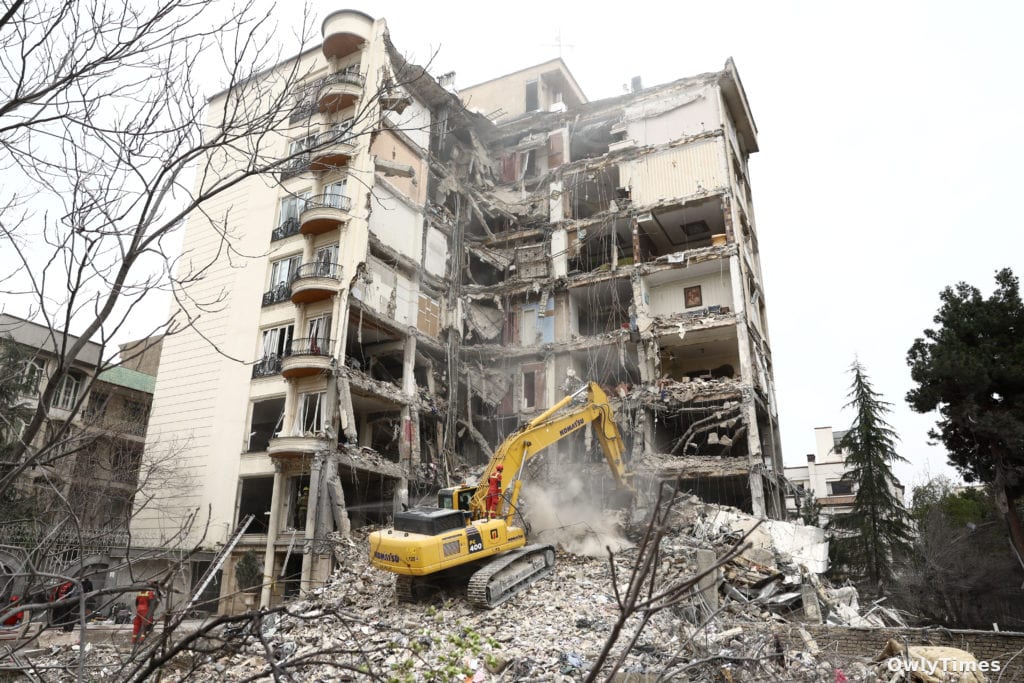

The escalation between Iran and Israel isn’t simply a regional conflict; it’s a meticulously calibrated pressure campaign designed to force a renegotiation of the existing power balance in the Middle East, with Donald Trump inserting the United States as a reluctant mediator while simultaneously signaling strength through military deployment. The timing – coinciding with a stalled global economy and anxieties over energy security – isn’t accidental. This isn’t a spontaneous outbreak of hostilities, but a calculated risk taken by multiple actors, each seeking to maximize their leverage. The publicly stated goal of reopening the Strait of Hormuz, a demand issued by Trump and then seemingly walked back, is a distraction from the core issue: a re-establishment of American dominance in a region increasingly influenced by Iranian proxies and Chinese investment.
The Strait of Hormuz as Economic Weapon
Tehran’s chokehold on the Strait of Hormuz, a vital artery for global oil supplies, is the central pressure point. The disruption to international shipping, and the subsequent surge in fuel prices, immediately impacts economies worldwide, but disproportionately affects nations reliant on Middle Eastern energy sources – namely, China and several European countries. This isn’t merely about economic damage; it’s about demonstrating Iran’s capacity to inflict pain on key geopolitical rivals, forcing them to the negotiating table. The fact that Trump initially issued a deadline for reopening the Strait, then delayed it, suggests a recognition of this leverage, and an attempt to manage the economic fallout while simultaneously projecting an image of decisive action. The current price of Brent crude, hovering around $88 a barrel, is a 7% increase since the escalation began – a clear indicator of market anxiety and the effectiveness of Iran’s strategy.
See the original PBS story for the full account.
Who Benefits and Who Loses in the Current Conflict
The immediate losers are clear: global economies dependent on stable energy supplies, and civilian populations in both Iran and Israel directly impacted by the strikes. However, a deeper analysis reveals more nuanced beneficiaries. Israel, despite being the target of Iranian missiles, gains from demonstrating its military capabilities and solidifying its alliance with the United States. The continued targeting of Iranian leaders, despite vows of retaliation, suggests a willingness to escalate to eliminate perceived threats. Pakistan, by offering to host diplomatic talks, positions itself as a potential regional power broker, enhancing its international standing. China, while publicly calling for de-escalation, benefits from a weakened U.S. position in the region, potentially opening opportunities for increased economic and political influence. The United States, despite Trump’s claims of negotiation, risks being drawn into a protracted conflict with limited clear objectives.
Historical Echoes of Containment and Brinkmanship
The current situation bears striking similarities to the Tanker War of the 1980s, during the Iran-Iraq War, when both sides targeted oil tankers in the Persian Gulf, disrupting global oil supplies and drawing in international intervention. Like then, the conflict is unfolding as a proxy struggle, with regional powers vying for dominance. However, the stakes are significantly higher today, given Iran’s advanced missile capabilities and the potential for escalation involving multiple actors. The Reagan administration’s response – a significant military buildup in the region and direct intervention to protect shipping lanes – offers a historical precedent for the current deployment of U.S. Marines to the Gulf. But the context is different. The Cold War framework of clear ideological adversaries is absent, replaced by a complex web of economic interests and shifting alliances.
The Authority Vacuum in Tehran and the Limits of Negotiation
Any potential for meaningful negotiation is hampered by a critical internal factor: the opaque power structure within Iran’s government. The question of who possesses the authority to negotiate – and whether they are willing to do so, given Israel’s stated intention to continue targeting Iranian leaders – remains unanswered. Washington’s “shifting list of objectives,” particularly regarding Iran’s ballistic missile and nuclear programs, further complicates matters. These objectives, while publicly stated, lack a clear strategic framework and are often contradictory. Demanding complete disarmament while simultaneously seeking to contain Iran’s regional influence is a fundamentally unsustainable position. The denial of talks by the Iranian regime, despite Trump’s assertions, underscores the deep distrust and the lack of a credible intermediary.
The political chess move to watch next isn’t whether talks begin, but where they begin, and under whose auspices. If Pakistan successfully hosts negotiations, it will signal a significant shift in regional power dynamics, potentially marginalizing both the United States and Saudi Arabia. However, if negotiations are brokered by a European power, or remain confined to direct U.S.-Iran channels, it will reinforce the existing order and likely result in a continuation of the current containment strategy. The key indicator will be whether the talks address the underlying economic grievances fueling the conflict, or simply focus on managing the symptoms of a deeper geopolitical struggle.




