
As the sweltering heat of August approaches the shores of Lake Maggiore, the cinematic world is turning its eyes toward the 79th Locarno Film Festival, an event where the prestige of established masters meets the raw, experimental energy of a new generation. Running from Aug. 5–15, 2026, the festival is shaping up to be a defining moment for international independent cinema, balancing a high-profile jury selection with a slate of bold, genre-defying premieres, according to The Hollywood Reporter.
A New Frontier for Genre Cinema
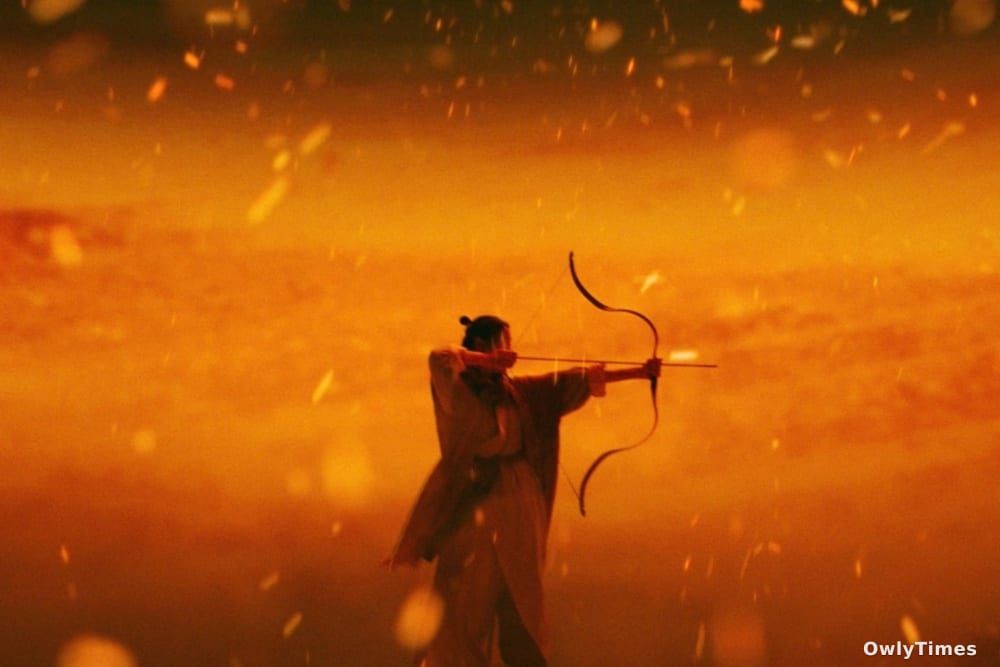
Among the most anticipated entries in this year’s international competition is The House on the Moon, a project that pushes the boundaries of cultural storytelling. Directed by Nelson Yeo and co-written with Vicki Yang, the feature is being hailed as Singapore’s first wuxia film, a feat achieved through the country’s inaugural use of virtual production technology. By weaving the ancient Chinese myth of the moon goddess Chang’e and the archer Hou Yi into a science-fiction framework, Yeo is attempting to bridge the gap between historical folklore and modern technical artifice, as reported by Variety.
The ambition behind the project is significant, evidenced by the involvement of Parallax Films, which has secured worldwide sales rights to the feature. The film’s ensemble, featuring Lim Shi-An and Lee Kang-sheng, arrives in Switzerland with the weight of expectation; Yeo previously made history at Locarno in 2023 when his debut, Dreaming & Dying, became the first Southeast Asian film to win both the Golden Leopard in the Filmmakers of the Present competition and the Best First Feature award.
The Voices Shaping the Awards
The monumental task of evaluating such diverse works falls to a series of specialized juries, whose composition underscores Locarno’s commitment to a global perspective. The main Concorso Internazionale jury will be presided over by Belgian filmmaker Fabrice Du Welz, who is joined by a cohort including French actress Lolita Chammah and Chilean star Paulina García, according to Deadline.
Beyond the main competition, the festival maintains a rigorous focus on discovery and social engagement. The Filmmakers of the Present jury, tasked with identifying emerging talent, includes Tunisian director Afef Ben Mahmoud and Czech producer Radovan Síbrt. Meanwhile, the "Pardo for Change" jury—dedicated to films addressing environmental and ethical crises—will feature voices like war reporter Gianluca Grossi and social innovation expert Seta Thakur, ensuring that the festival remains a platform for urgent, real-world discourse.
Beyond the Headlines
The significance of this year’s festival lies in its deliberate tension between the classic and the contemporary. While the Piazza Grande will host traditional spectacles, such as a restored screening of Kevin Costner’s Dancing With Wolves and an appearance by Olivia Wilde for the film The Invite, the competition slate highlights a shift toward high-concept, technology-driven storytelling like Yeo’s.
As artistic director Giona A. Nazzaro noted, the goal is to cultivate a "willingness to be surprised" and to embrace the unexpected. This focus on the "unexpected" is more than just festival programming—it is a barometer for an industry currently navigating the intersection of traditional human-centric performance and the rapid adoption of virtual production. Whether through the lens of a wuxia legend or the raw, domestic drama of the festival’s opening film, The Green Eyes, Locarno 2026 serves as a critical junction where the global film community decides which stories—and which technologies—are worth championing in the years to come.