
Beyond the Doctor’s Office: Isle of Man Bets on Proactive Health with Public Kiosks
The enduring challenge in healthcare isn’t simply treating illness, but anticipating it. While preventative medicine has long been a goal, access remains a significant barrier. A new initiative on the Isle of Man, deploying automated health check stations in public spaces, isn’t just another attempt at wellness promotion – it’s a carefully considered experiment in shifting the locus of preventative care, and a potential model for resource-constrained healthcare systems. The project, spearheaded by Matt Tyrer, Director of Public Health for the Isle of Man, isn’t about replacing GPs, but about extending their reach and empowering individuals to take control of their wellbeing before a crisis necessitates a clinical visit. This approach is particularly noteworthy given the increasing strain on primary care services globally, and the documented delays in diagnosis that can dramatically worsen patient outcomes.
This piece references the the BBC report.
A Four-Minute Checkup: What the Data Reveals
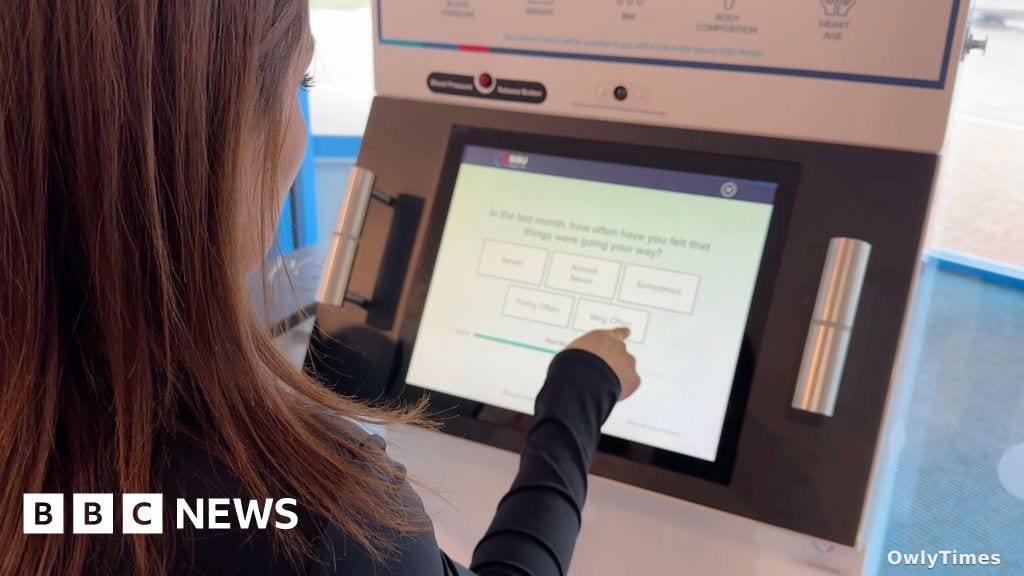
Located in the foyer of the Northern Swimming Pool in Ramsey, the new station utilizes equipment from SISU Health to provide a rapid assessment of key health indicators. In roughly four to five minutes, individuals aged 16 and over can obtain readings for blood pressure, heart rate, height, and weight – all free of charge. This isn’t a novel concept; similar kiosks have been deployed in areas of the UK, specifically Cheshire and Merseyside, with promising results. Tyrer highlights that these earlier implementations demonstrated the feasibility and public acceptance of this type of technology. However, it’s crucial to understand what the Isle of Man pilot isn’t claiming. Headlines might suggest a revolutionary diagnostic tool, but the station is designed for screening, not diagnosis. Elevated blood pressure flagged by the machine doesn’t equate to hypertension; it’s a prompt to consult a healthcare professional for further evaluation. The intention, as Tyrer stated, is to facilitate “day to day health and wellbeing” and provide individuals with data they can discuss with their GP.
The Economics of Prevention: A Fiscal and Human Calculation
The 12-month pilot program is fully funded by Public Health, a decision rooted in a clear economic argument. Tyrer explicitly frames preventative care as a cost-saving measure, stating that “every pound that’s invested in prevention is a cost saving overall to the system.” This isn’t simply optimistic rhetoric. Studies consistently demonstrate that early detection and management of chronic conditions like hypertension significantly reduce the need for expensive interventions – cardiologist appointments, hospitalizations, and long-term medication. The Isle of Man, with a relatively small and aging population, stands to benefit disproportionately from such preventative strategies. While the precise financial return on investment remains to be seen, the logic is sound: reducing the incidence of stroke and heart problems through proactive blood pressure monitoring will inevitably alleviate pressure on the island’s healthcare budget. More importantly, as Tyrer emphasizes, it promises “longer, healthier lives” for residents.
Privacy and Accessibility: Balancing Convenience with Concerns
The choice of location – a busy swimming pool – is deliberate. The Northern Swimming Pool experiences high foot traffic from people of all ages, maximizing the potential reach of the program. Tyrer also stresses the “discrete” nature of the station, designed to ensure patient privacy. This is a critical consideration. While the convenience of a public kiosk is appealing, concerns about data security and confidentiality are legitimate. The SISU Health equipment must adhere to stringent data protection regulations, and clear protocols must be in place to safeguard patient information. Furthermore, accessibility remains a key factor. While the station is free to use, it relies on individuals being aware of its existence and willing to participate. Targeted outreach efforts will be necessary to ensure that the benefits of the program extend to all segments of the population, particularly those who may be less likely to proactively seek preventative care.
Looking Ahead: From Pilot Program to Predictive Health?
The success of this pilot program hinges on more than just participation rates. The Isle of Man’s Public Health team will be meticulously tracking the data generated by the kiosk, analyzing trends in blood pressure and heart rate readings, and assessing the impact on GP appointment scheduling. The next crucial step will be integrating this data with existing healthcare records, allowing for a more holistic view of population health. However, this raises complex ethical and logistical challenges. How will data privacy be maintained? How will false positives be managed to avoid unnecessary anxiety and strain on healthcare resources? And perhaps most importantly, will this initiative lead to demonstrable improvements in long-term health outcomes? The Isle of Man’s experiment isn’t just about a kiosk in a swimming pool; it’s a test case for a future where preventative care is seamlessly integrated into daily life. The question now is whether other communities will follow suit, and whether this model can truly deliver on its promise of a healthier, more proactive population.





