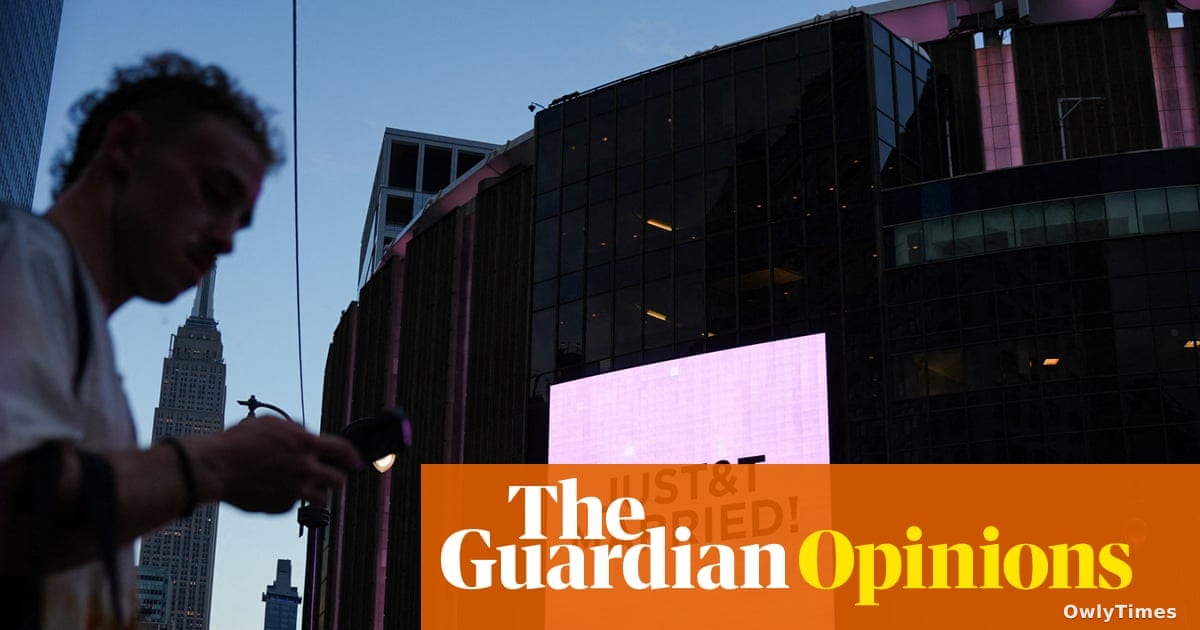

The air outside Madison Square Garden was thick with a strange, frantic energy, as fans scrambled to claim discarded soda cup tops and stray fabric scraps—relics of a night that had already passed into the realm of modern folklore. While some enthusiasts were reportedly listing a single AirPod found near the venue on the resale market, others were peddling sealed bags of "wedding air" for nearly $50,000, according to The Guardian. It was a chaotic, consumerist coda to what was arguably the most anticipated nuptial event of the decade: the wedding of Taylor Swift and Travis Kelce.
A Star-Studded Secret
Beyond the surreal sidewalk commerce, the ceremony itself was a masterclass in controlled exclusivity. Radio host Greg James, one of the few confirmed attendees from the UK, described the experience to the BBC as being like stepping into a living, breathing Madame Tussauds. James, who had to secure annual leave without alerting his colleagues, noted that the guest list reportedly reached 1,000 people, drawing from the highest echelons of music, film, and professional sports. "Every 10 seconds it was a room full of the most famous people in the world," James recalled, highlighting a surreal atmosphere where the "wax" figures were not only animated but conversational.
The logistical planning for the event was as intense as the security. To navigate the secrecy, James held a private dinner with fellow invitee Graham Norton so their spouses could meet before the big day. Once inside, the experience steered away from traditional formality. According to the BBC, the couple opted for an "unlimited" food service rather than a formal sit-down dinner, featuring multiple cakes and an open stage policy that allowed guests—including James—to join the DJ booth and dance.
The Cultural Weight of the Union
While fans obsess over the finer details, the sheer financial scale of the event has become a point of contention and speculation. The Guardian notes that some outlets, including People Magazine, have floated figures upwards of $50 million for the celebration. This astronomical price tag sits in stark contrast to broader American trends; a 2023 Pew Research Center survey cited by The Guardian reveals that the national marriage rate hit a 140-year low in 2019, with 111 million Americans over 18 now identifying as single.
The public’s fixation on this particular wedding functions as a form of vicarious living. In an era where the economic barrier to traditional marriage is rising, the Swift-Kelce union offers a high-gloss, high-stakes narrative that fans can consume through social media and parasocial connection. It is the antithesis of the "risk-free" single life, a grand, public performance of "till death do us part" that contrasts sharply with the quiet, often solitary realities of modern life.
Industry Echoes
The ripple effects of Swift’s circle continue to permeate the industry, even as the wedding dust settles. While Swift herself remains the center of gravity, her influence is felt in the creative choices of those around her. Musician Suki Waterhouse, who has been described by Swift as the "wildest person I know who I would also trust to keep any secret," recently highlighted her own creative journey in a Rolling Stone interview. Waterhouse’s work with producer Aaron Dessner—a frequent Swift collaborator who operates out of the famed Long Pond Studio—underscores how the "Swiftian" model of vulnerable, high-production artistry has become the gold standard for the current generation of pop stars.
As the industry looks forward, this moment serves as a litmus test for celebrity culture in the digital age. The willingness of fans to treat street trash outside Madison Square Garden as holy relics suggests that for a generation raised on constant digital connectivity, the line between celebrity, mythology, and reality has effectively vanished. Whether the union lasts or the headlines eventually fade, the event has already secured its place as a definitive cultural marker, signaling a shift where the personal milestones of the ultra-famous are no longer private events, but public commodities.