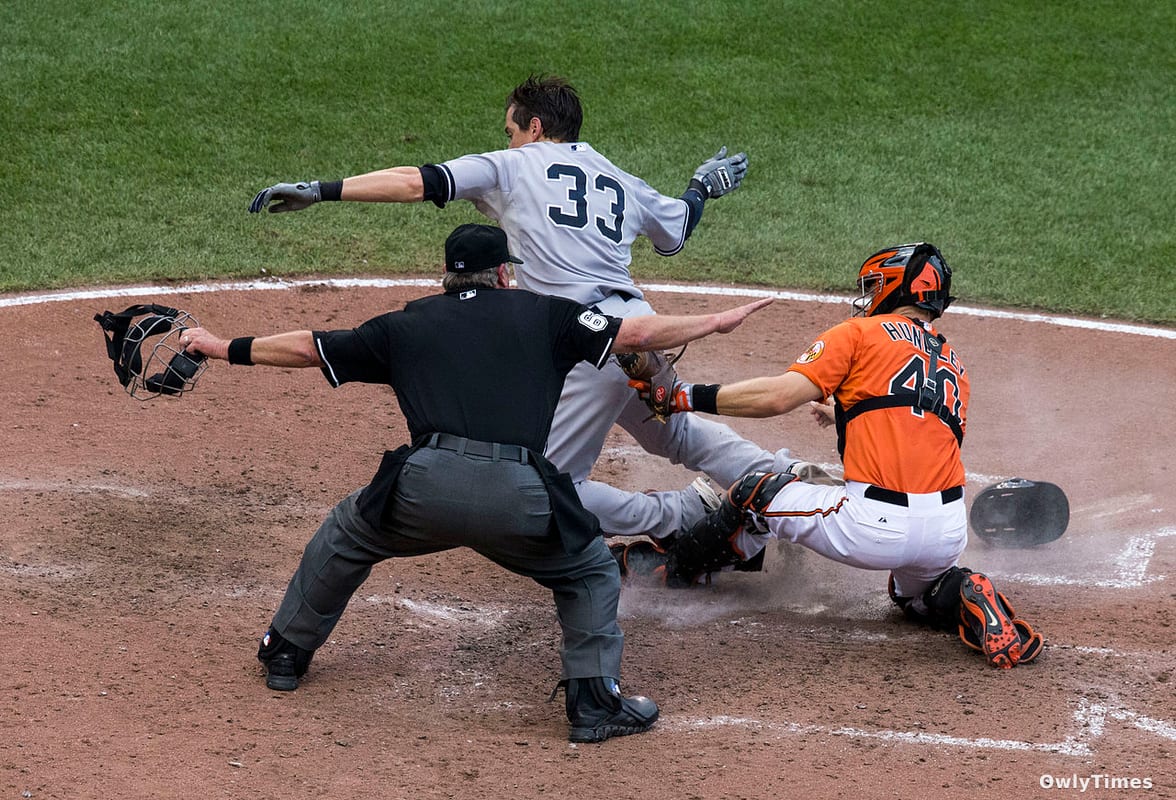

The air in Yankee Stadium crackled with the manufactured electricity of Opening Day, a familiar ritual of hope and renewal. But Wednesday’s 7-0 drubbing of the San Francisco Giants felt…off. Not because the Yankees won – that’s what’s supposed to happen – but because of who didn’t contribute. Aaron Judge, the reigning AL MVP, the face of the franchise, went 0-for-5 with four strikeouts, becoming the first MVP in history to earn a golden sombrero on Opening Day. It wasn’t just a bad night at the plate; it was a jarring symbol of the pressure cooker that is modern baseball, where even the most superhuman athletes are vulnerable to spectacular, public failure. And it’s a failure that speaks volumes about the shifting landscape of the game, where individual stardom is increasingly scrutinized against the backdrop of team performance and ever-rising expectations.
This isn’t simply about one player having a rough outing. Judge’s struggles immediately ignited a familiar debate: can a player truly carry a team? The Yankees invested heavily in Judge, and the weight of those expectations is immense. But baseball, more than ever, is a game of margins, of statistical probabilities, and of collective effort. The narrative around Judge has always been about his potential to be a singular force, a modern-day Babe Ruth. Yet, Wednesday’s game underscored a truth many fans already suspect: even the most dominant players need support, and relying solely on individual brilliance is a recipe for disappointment. The Yankees won despite Judge’s performance, a fact that feels less like a celebration and more like a warning.
Beyond the headlines of Judge’s historic 0-for-5, Thursday’s slate of games offered a glimpse into the evolving dynamics of MLB. From Jhoan Duran becoming the first Philadelphia reliever to ever notch a save at home on Opening Day – a testament to the growing importance of specialized bullpen roles – to rookie JJ Wetherholt launching his first major league home run for the Cardinals, the league is showcasing a fascinating blend of established stars and emerging talent. The Cardinals’ eight-run sixth inning against the Rays, fueled by Wetherholt’s early spark, was a reminder that baseball’s unpredictable nature is part of its enduring appeal. These moments aren’t isolated incidents; they reflect a league increasingly focused on player development and strategic roster construction.
This article draws on reporting from Yahoo Sports.
The Angels’ Mike Trout breaking a scoreless tie with a seventh-inning homer against the Astros, and the Tigers’ offensive explosion led by Kevin McGonigle and Dillon Dingler, further illustrate this trend. Teams are no longer built around a single superstar; they’re built around depth, versatility, and the ability to capitalize on opportunities. This shift is partly a response to the increasing emphasis on analytics, which have revealed the limitations of relying solely on traditional metrics like batting average and home runs. It’s also a consequence of the financial realities of the game, where building a sustainable contender requires shrewd drafting, effective player development, and a willingness to embrace unconventional strategies.
But even as the game evolves, one constant remains: the challenge of accessing it. OwlyTimes readers will already know the headache of navigating MLB’s increasingly fragmented broadcast landscape. The 16-step guide needed just to watch a game this season isn’t a minor inconvenience; it’s a symptom of a larger problem. MLB is prioritizing revenue streams over fan accessibility, forcing viewers to subscribe to multiple streaming services to follow their favorite teams. This isn’t just about convenience; it’s about equity. The cost of following baseball is rising, potentially excluding a significant portion of the fanbase. Will MLB realize that alienating fans in the pursuit of profit is a short-sighted strategy? Or will they continue down this path, risking the long-term health of the game? That’s the question hanging over this opening week, a question far more significant than any single player’s performance.