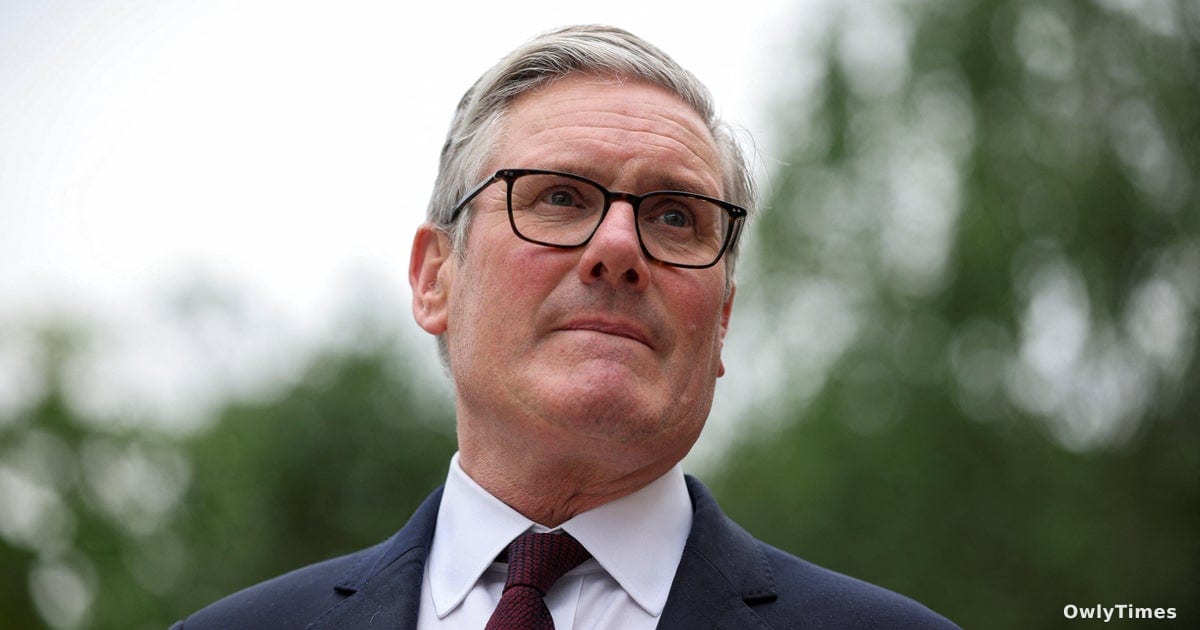

The resignation of Sir Keir Starmer as leader of the Labour Party and Prime Minister of the United Kingdom is the culmination of a classic political squeeze: an incumbent leader unable to reconcile a restive parliamentary caucus with a series of electoral and policy failures. By identifying that his own MPs had lost faith in his ability to steer the party toward the next general election, Starmer has opted for a controlled exit rather than a protracted, humiliating defeat. The strategic calculus here is one of preservation—by bowing out now, Starmer avoids a formal vote of no confidence that would have shattered the party’s cohesion, instead attempting to engineer a transition that favors order over ideological warfare.
Who benefits and who loses? The primary beneficiary is Andy Burnham, the former Mayor of Greater Manchester, who has effectively utilized his "King of the North" brand and a strategic by-election win in Makerfield last week to position himself as the party’s heir apparent. The losers are the cabinet ministers who supported Starmer’s agenda—most notably former health secretary Wes Streeting, who initially signaled interest in a leadership bid before abandoning the effort to consolidate behind Burnham. As reported by the BBC, Streeting’s swift pivot to Burnham reflects a pragmatic recognition that the parliamentary wind has shifted decisively against the status quo.
This transition mirrors historical precedents where internal party fractures, exacerbated by poor local election results, force a sitting leader to prioritize party survival over personal ambition. The CBS News report highlights that Starmer’s position became untenable following a "disastrous" round of local elections in May, which prompted the resignation of several ministers. These electoral losses were compounded by internal rows, including the controversial appointment of Peter Mandelson as ambassador to the U.S. and the resignation of defence secretary John Healey over disputes regarding military spending, as noted by the BBC.
The economic backdrop of Starmer’s tenure provides a complex layer to this political collapse. While Starmer touted the UK's economic growth as the highest in the G7 at points during his time in office, The Guardian reports that his legacy remains mixed. Unemployment rose from 4.3% when Labour took power in July 2024 to 4.9% by April 2026, while the government struggled with inflation peaking at 3.8% in the summer of 2025. These figures underscore the difficulty the administration faced in balancing the fiscal discipline demanded by chancellor Rachel Reeves with the spending pressures from their own backbenchers, particularly regarding welfare reforms and the two-child benefit cap.
The immediate future hinges on whether the Labour Party opts for a "coronation" or a contested leadership race. If Burnham secures the necessary 81 nominations from Labour MPs, he could be installed as Prime Minister by mid-July, effectively bypassing a broader membership vote. However, the BBC notes that the party rules provide a window between July 9 and July 16 for candidates to garner support. The political chess move to watch is whether any other candidates emerge to challenge the Burnham momentum or if the party forces a formal contest to demand a more detailed policy blueprint from a leader who has spent the last decade outside of Westminster.