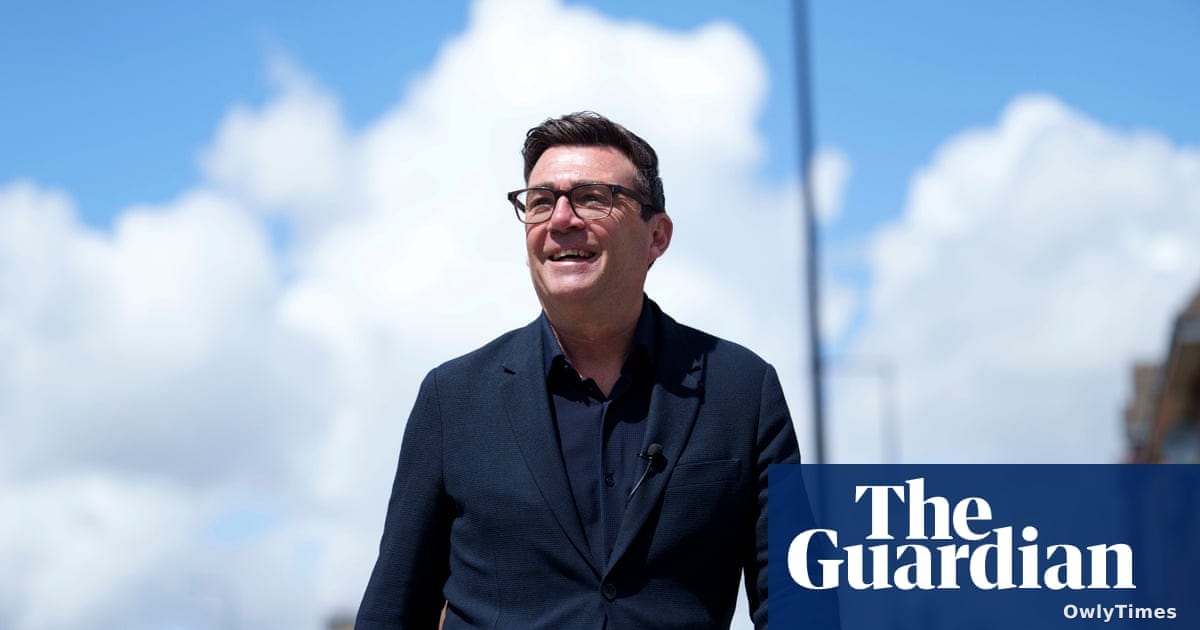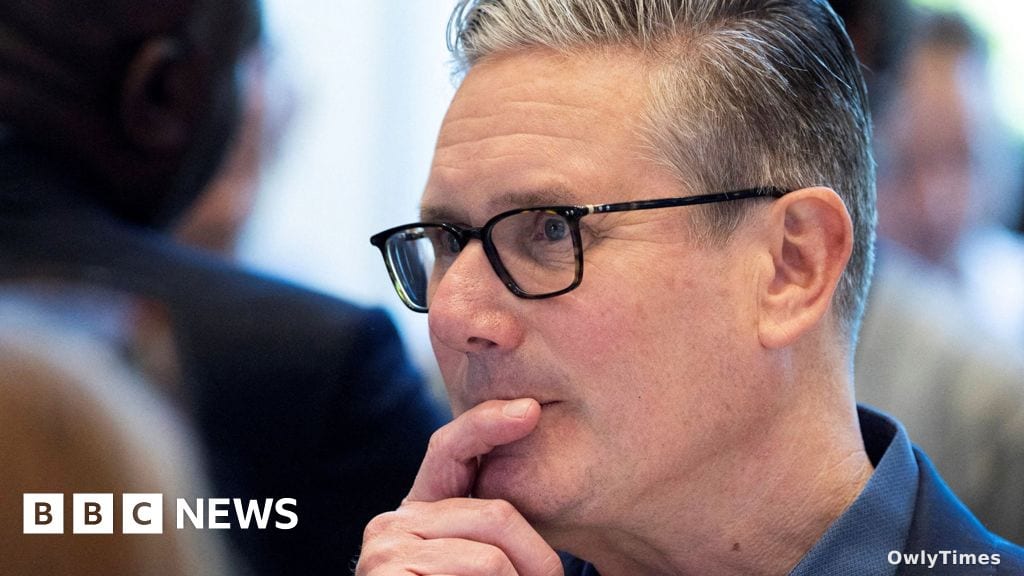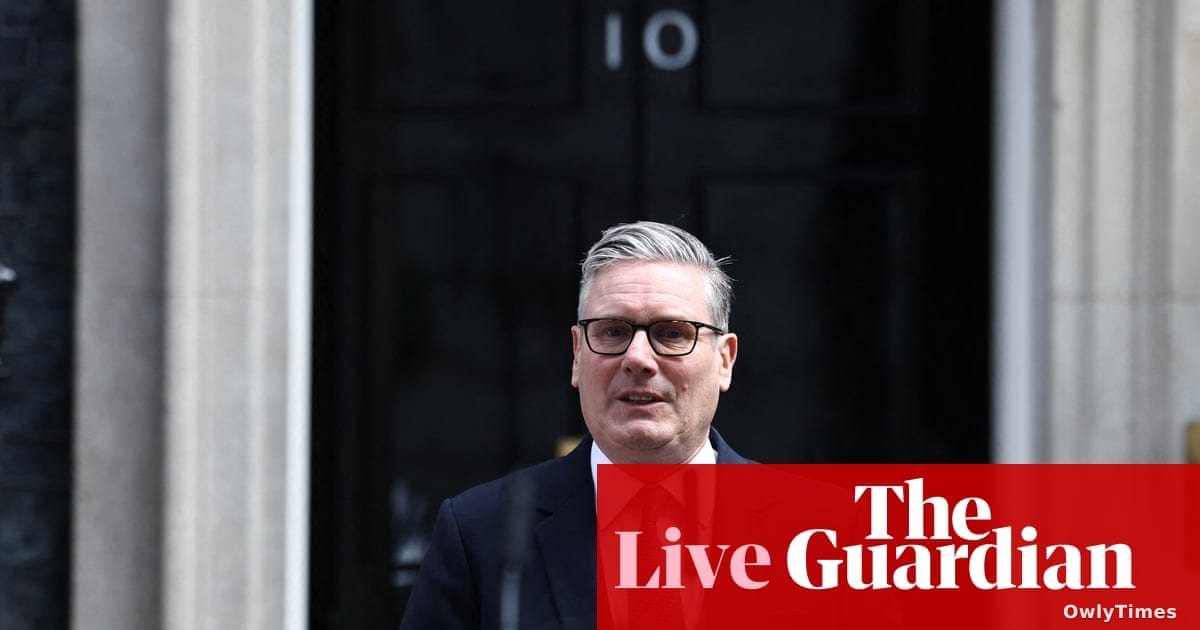

The transition of power from Sir Keir Starmer to Andy Burnham is being engineered not as a democratic renewal, but as a defensive consolidation of the Labour Party’s grip on the House of Commons. By facilitating a secret, hour-long "off-site" meeting away from the pressures of Downing Street, Starmer is effectively signaling a managed handoff designed to bypass a potentially destabilizing leadership contest. The strategic calculus here is clear: by granting Burnham early access to civil service briefings and securing pledges from loyalist cabinet ministers to suppress internal dissent, the Labour establishment is attempting to preempt the political volatility that has claimed six British prime ministers in a decade.
The primary beneficiaries of this "swift transition" are the Labour party elites, who view an uncontested coronation as the only way to avoid a prolonged public airing of the ideological fractures within their ranks. Conversely, the losers are those within the parliamentary party—such as Darren Jones and Al Carns—who have publicly declined to rule out a challenge but find their path to the ballot paper increasingly obstructed by a party machine eager to avoid the "spectacle" of an open race. This maneuver reflects a recurring pattern in Westminster: the prioritization of institutional stability over the broad-based legitimacy that typically accompanies a competitive leadership selection.
This shift mirrors the historical instability of the post-Brexit era, where the rapid "revolving door" of leadership has become a hallmark of the UK’s political climate. Much like the turnover that saw David Cameron, Theresa May, Boris Johnson, Liz Truss, and Rishi Sunak depart, the current move is driven by a desperate need to reset a government that has struggled with mounting public dissatisfaction over economic growth and infrastructure investment. However, the precedent here is fraught; while Starmer’s team hopes this transition will provide a clean slate, the lack of a fresh electoral mandate leaves the party vulnerable to claims from figures like Nigel Farage that the new leadership lacks a "meaningful mandate" to govern.
The tension within this transition lies in the disconnect between Burnham’s "King of the North" persona and the technocratic constraints of the office he is poised to inherit. While his supporters market him as a corrective to the rigid, legalistic approach of his predecessor, Burnham has already committed to Chancellor Rachel Reeves’ fiscal rules and pledged not to raise the main rates of income tax, VAT, or National Insurance. This creates a strategic contradiction: he is being sold as an agent of radical change and regional devolution, yet he is operating within a policy cage that limits his ability to fund the infrastructure spending his own advisers, such as Jim O'Neill, have identified as necessary.
The political chess move to watch now is the upcoming Labour special conference, scheduled for Friday, July 17. The timeline set by the national executive committee—which mandates a nomination window for MPs between July 9 and July 15—serves as the ultimate pressure test. Whether Burnham faces a challenger will depend on whether potential rivals can secure the necessary support to breach the party’s carefully curated path to the premiership. The next reading of market stability and the upcoming publication of the defence investment plan, which Reeves has expressed confidence will arrive before the handover, will show whether this transition successfully calms the economic and political turbulence currently gripping Westminster.