
$60 billion in total transaction volume serves as the high-water mark for the Middle East’s investment banking sector in 2025, a year defined by aggressive capital market reforms and a pivot toward non-oil revenue streams. While regional markets have historically navigated cycles of volatility, the 2025 data reveals a structural shift: investment banks are no longer just intermediaries; they are now the primary architects of regional economic diversification.
The Sukuk Surge and Islamic Finance Dominance
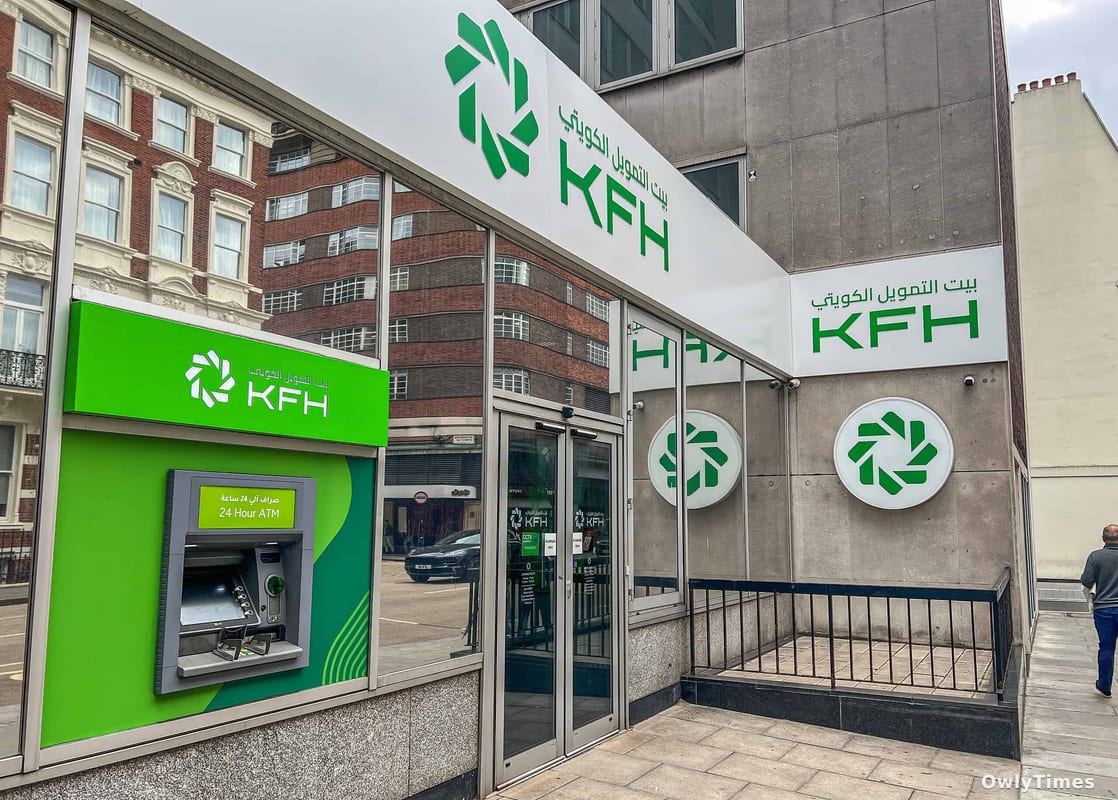
Follow the money, and you find that the region’s debt capital markets (DCM) have moved from a niche funding source to a primary engine for sovereign and corporate growth. KFH Capital has emerged as the definitive leader in this space, leveraging its Sharia-compliant framework to facilitate some of the year’s largest deals. The firm’s performance in 2025 saw it manage 16 distinct issuances, a testament to the deepening appetite for Islamic finance among institutional investors.
The scale of these transactions highlights a broader trend of sovereign consolidation. KFH Capital’s role in orchestrating a $3 billion sukuk issuance for Saudi Aramco and a $1.5 billion offering for the UAE’s ADNOC signals that even energy giants are looking to optimize their balance sheets through Islamic structures. Beyond the giants, the firm facilitated a $1 billion sukuk for Egypt, Oman, and Qatar respectively, proving that regional debt markets are successfully integrating smaller sovereign issuers into the global financial fold.
M&A Strategy Shifts to Global Integration
While debt markets provided the volume, the mergers and acquisitions landscape in 2025 demonstrated the region's hunger for global asset control. Standard Chartered, supported by a team of over 130 bankers, has utilized its long-standing tenure across eight regional countries to bridge the gap between Middle Eastern capital and international expansion.
The firm’s work as the sole financial adviser to Saudi Aramco for the acquisition of a 25% stake in the Philippines-based Unioil Petroleum illustrates the strategic intent: supply chain security. Similarly, the bank’s involvement in the 3.9 billion Emirati dirham (roughly $1.1 billion) sale of Multiply Group’s district cooling business reflects a trend of divesting non-core infrastructure assets to sharpen focus on high-growth sectors.
Equity Markets as Privatization Engines
The equity capital markets (ECM) saw EFG Hermes cement its leadership through a diverse set of mandates that tracked closely with government privatization agendas. Over the course of 2025, the firm secured 15 mandates, with a significant concentration in the Saudi and UAE markets.
The data indicates that these IPOs are not merely liquidity events but vehicles for public-private partnership. The $449 million issuance for Almoosa Healthcare and the $332.8 million listing of Asyad Shipping—the latter serving as a cornerstone of Oman’s privatization strategy—show that regulators are successfully moving state-owned assets into the hands of institutional and retail investors. For investors, the takeaway is clear: the influx of high-quality, formerly state-held assets into the public market provides a rare opportunity to gain exposure to the region’s core infrastructure and services sectors. The next reading of IPO subscription volumes across the Gulf Cooperation Council will show whether this retail and institutional enthusiasm can maintain its current velocity into the coming fiscal year.




