
The global economy is staring down a stark fiscal reality as the International Monetary Fund (IMF) slashes its 2026 growth forecast for the Middle East and North Africa to just 1.1 percent, down sharply from its previous projection of 3.9 percent. This contraction, driven by systemic disruptions to energy exports, serves as the backdrop for a volatile diplomatic landscape as U.S. President Donald Trump signals a potential second round of talks with Iran. With the cost of the conflict now estimated by Iranian authorities at $270 billion in damages, the financial stakes for global markets have moved beyond mere sentiment, shifting toward the hard constraints of supply chain security and sovereign debt.
Follow the money: The primary tension currently playing out in the corridors of power is a direct collision between military blockade tactics and the necessity of global trade. U.S. Treasury Secretary Scott Bessent has confirmed that the administration will actively block Chinese tankers attempting to transport Iranian oil through the Strait of Hormuz. Simultaneously, the U.S. Treasury is set to allow a temporary sanctions waiver on Iranian oil stranded at sea to lapse in the coming days. By tightening this fiscal noose, the U.S. is attempting to force Tehran to the table, yet the move carries an immediate inflationary risk, as Iran has explicitly threatened to retaliate by obstructing trade through the Red Sea, the Gulf, and the Sea of Oman.
The Gap Between Diplomacy and Deployment
While the White House maintains that the war is "very close to over," the operational reality suggests a deepening commitment of resources. Reports indicate the U.S. intends to deploy thousands of additional troops to the Middle East in the coming weeks. This creates a clear contradiction with the market's recent reaction; on Tuesday, stock markets climbed and oil prices slipped based on speculative optimism regarding a diplomatic breakthrough. Investors are currently pricing in a swift resolution, but this optimism sits in direct opposition to the hardening positions on uranium enrichment. The U.S. is reportedly pushing for a 20-year moratorium, while Iran remains firm on a five-year window, leaving a 15-year delta that serves as a primary friction point for any sustainable peace agreement.
Strategic Realignment and Diplomatic Friction
The diplomatic architecture surrounding these negotiations is becoming increasingly fragmented. British Prime Minister Keir Starmer has publicly refused to "yield" to pressure from Trump to join the conflict, even under the threat of a revoked U.K. trade deal. Meanwhile, the Italian government, led by Prime Minister Giorgia Meloni, has suspended a long-standing defense agreement with Israel, citing intense domestic pressure. These fractures among traditional allies suggest that the economic and political costs of the war are beginning to outweigh the strategic benefits for many Western nations.
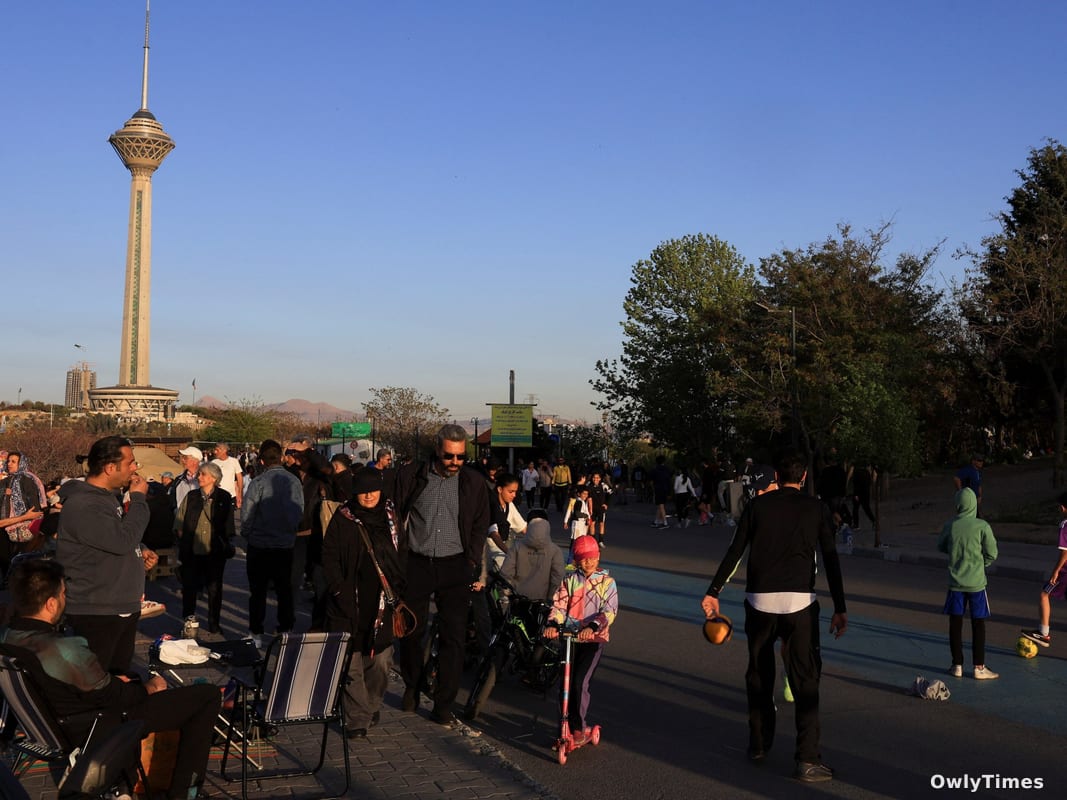
As Pakistan’s Prime Minister Shehbaz Sharif engages in a multi-nation diplomatic tour to facilitate these talks, the internal stability of the involved parties remains fragile. In Tehran, minor explosions have signaled ongoing domestic volatility, while the repatriation of 238 Iranian sailors from Sri Lanka following a March 4 submarine incident serves as a reminder of the kinetic risks that remain active.
What This Means for Your Wallet
For the individual investor and the consumer, the path forward is tied to the viability of the Strait of Hormuz as a commercial artery. The IMF’s warning that further escalation could tip the global economy into a recession is not merely a macroeconomic abstraction; it is a direct function of energy pricing and shipping insurance premiums. The most immediate signal to monitor is the upcoming U.S. Senate vote on war powers, expected as early as Wednesday. This vote will serve as a critical barometer for the longevity of the current U.S. strategy; a successful effort to limit executive war powers would likely signal a pivot toward de-escalation, while a failure to do so would cement the current blockade-heavy policy, likely keeping energy volatility elevated in the near term.