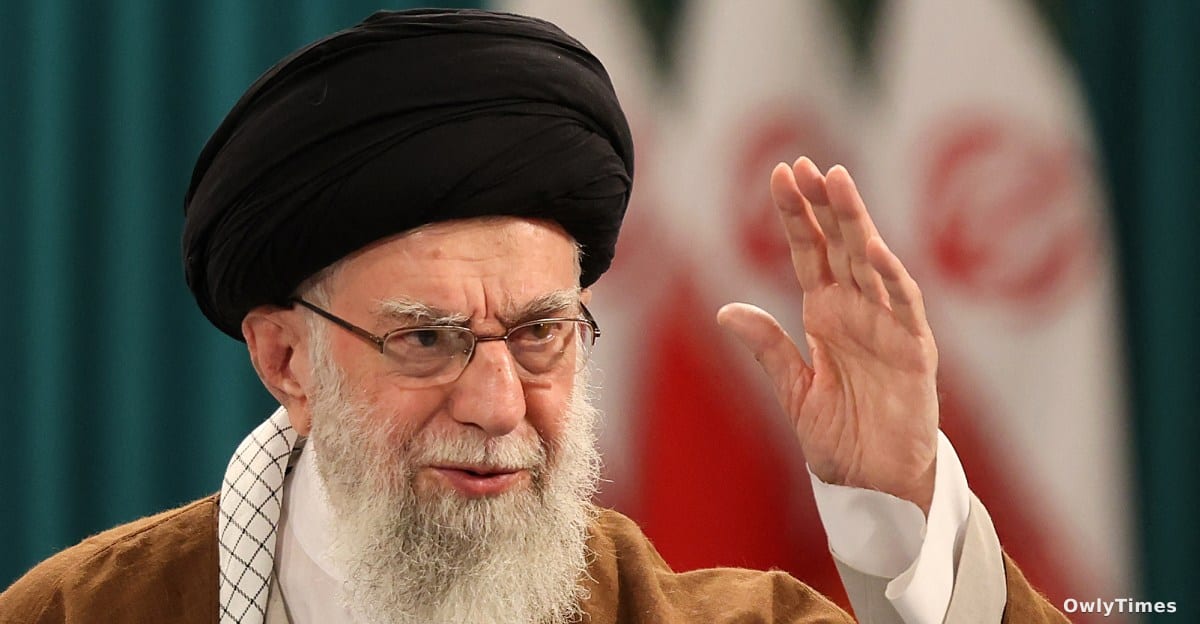

The calculated elimination of Ayatollah Ali Khamenei on the opening day of recent airstrikes wasn’t a spontaneous escalation, but a culmination of decades of strategic miscalculations by the Iranian regime – and a gamble by the US and Israel predicated on a critical intelligence failure within Iran’s security apparatus. The speed with which Iran’s supreme leader was targeted speaks not to Israeli or American prowess, but to a systemic breakdown in Iranian defenses, suggesting a level of infiltration that belies official narratives of preparedness. This wasn’t simply about neutralizing a figurehead; it was a surgical strike aimed at the core of Iran’s decision-making structure, exploiting vulnerabilities that Khamenei himself, in his increasingly fatalistic rhetoric, appeared to anticipate.
Born in 1939, Khamenei’s ascent from a relatively obscure cleric to the most powerful position in Iran was defined by a relentless pursuit of legitimacy following the immense shadow cast by Ayatollah Ruhollah Khomeini. He initially presented a more moderate face, but his 37-year rule devolved into increasingly rigid ideological control and brutal suppression of dissent. The crushing of the 2009 Green Movement, the 2022 “Woman, Life, Freedom” protests, and subsequent uprisings weren’t aberrations, but consistent applications of a strategy to maintain power at any cost. This internal repression, however, fueled the very external aggression that ultimately led to his downfall. The construction of an “Axis of Resistance” – a network of proxy groups and allied governments – was less about regional influence and more about diverting domestic discontent outward, a tactic that ultimately overextended Iranian resources and provoked escalating conflict.
Original reporting: vox.com.
The decision to target Khamenei echoes historical precedents of regime decapitation strikes, though with a crucial difference. Unlike the US targeting of Saddam Hussein in 2003, which occurred after the invasion and collapse of Iraqi state structures, this strike occurred during an active, albeit limited, conflict. This suggests a more ambitious goal than simply removing a leader; it’s an attempt to dismantle the entire ideological framework of the Islamic Republic. As Alex Vatanka, a senior fellow at the Middle East Institute, points out, the failure to prevent such infiltration into the “state machinery” is a damning indictment of the regime’s internal security. The miscalculation regarding the intentions of the Trump administration and Israel is equally significant. Khamenei’s increasingly open discussion of martyrdom, as noted by Vatanka, appears less as pious preparation and more as a desperate attempt to control the narrative of his own demise.
Who benefits and who loses from this shift? Israel immediately gains a strategic advantage, removing a key architect of its regional opposition. The Trump administration, regardless of its long-term goals, scores a significant political victory, fulfilling a promise made during his first term to confront Iran’s leadership. However, the primary beneficiaries are the Iranian people, who have endured decades of repression and economic hardship. The immediate celebrations following Khamenei’s death are a testament to the widespread desire for change. Conversely, the immediate losers are the factions within the Iranian regime – particularly the Islamic Revolutionary Guard Corps (IRGC) – who benefited most from Khamenei’s policies of repression and external aggression. The long-term consequences for regional stability are far less certain. The potential for escalation is high, and the vacuum created by Khamenei’s death could lead to a fracturing of the Iranian state.
Khamenei’s legacy is one of missed opportunities. Despite initially approving the 2015 nuclear deal, he later regretted it, prioritizing ideological purity over economic relief and international engagement. This decision, as Vatanka argues, was driven by a deep-seated insecurity and a need to constantly prove his legitimacy. He could have chosen a path of dialogue and reform, but instead, he doubled down on repression and confrontation. This wasn’t simply a matter of ideology; it was a product of internal political rivalries. Had a figure like Akbar Hashemi Rafsanjani, a more pragmatic cleric, ascended to the supreme leadership in 1989, Iran’s trajectory could have been drastically different. Khamenei actively cultivated a political identity rooted in hardline policies, empowering the IRGC and suppressing any dissenting voices.
The formation of a three-member interim council – comprised of Masoud Pezeshkian, Gholam-Hossein Mohseni-Ejei, and Alireza Arafi – is a temporary measure, but its composition is crucial. Arafi, a protégé of Khamenei and member of the powerful Guardian Council, is the most likely candidate to emerge as the new supreme leader. However, the key question now isn’t who will replace Khamenei, but whether the US will capitalize on this moment of vulnerability. Will the Trump administration pursue a policy of regime change, potentially through support for internal opposition groups? Or will it settle for containing Iran’s regional ambitions? The answer to that question will determine whether this strike marks the beginning of a new era in the Middle East, or simply a continuation of the old conflicts under a new guise. The political chess move to watch next isn’t within Iran, but within the White House: will Trump leverage the CIA’s apparent deep penetration of Iranian security to foster defections and support a transition away from the Islamic Republic, or will he revert to a policy of containment and risk a prolonged, destabilizing conflict?





