
Is Kentucky’s future being built in a high school shop class? While Silicon Valley chases the next billion-dollar app, a quieter revolution is unfolding in Louisville, and towns across the Commonwealth. The 2026 Kentucky Technology Student Association (KYTSA) state conference, showcasing the work of over 1,700 students, isn’t just a feel-good story about kids and STEM. The real story here isn’t about preparing a future workforce – it’s about a fundamental shift in who gets to participate in technological innovation, and where that innovation actually happens.
For years, the narrative around tech has been relentlessly focused on coastal hubs and elite universities. We’re told progress emerges from garages in Palo Alto, not workshops in Pike County. But KYTSA, with over 16,000 participants during the 2025-2026 school year, demonstrates a different path. These aren’t students passively learning to code; they’re actively building solutions, tackling real-world problems with ingenuity and, crucially, access to increasingly affordable tools. Commissioner of Education Robbie Fletcher rightly points to the “tremendous level of engagement” these students exhibit, a resonance with learning that’s often missing in traditional classroom settings.
This piece references the kentuckyteacher.org report.
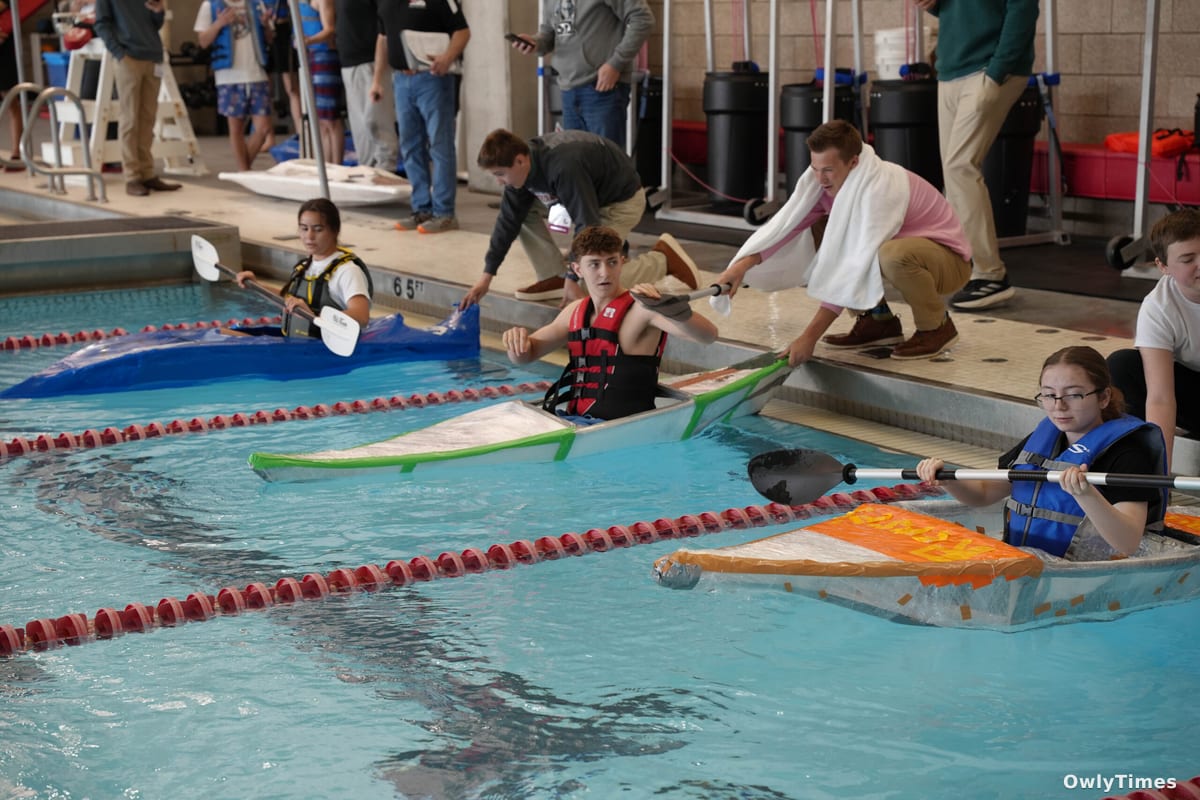
The competition categories – architectural engineering, coding, drone challenges, 3D printing – read like a roadmap of current industry trends. But it’s the practical application that’s striking. Forget theoretical exercises; students are constructing miniature bridges, designing PVC kayaks, and, most powerfully, building assistive devices. Kallie Wright and Mason Baldwin, seventh-graders from Belfry Middle School, exemplify this. They didn’t just learn about 3D printing; they used it to create four toddler training wheelchairs, costing roughly $140 each – a fraction of the several thousand dollars a commercially produced version would demand. This isn’t about disrupting an industry; it’s about circumventing a systemic failure to provide essential tools to those who need them most. As Wright succinctly put it, “We learned that without a lot of money, there’s plenty of toddlers out there who don’t get this option.”
This highlights a critical tension. The cost of specialized medical equipment, like pediatric wheelchairs, is driven by low production volumes and complex customization. 3D printing, and the accessibility of designs from organizations like Make Good, is democratizing access to these solutions. It’s a bottom-up approach to innovation, driven by local needs and enabled by falling technology costs. This contrasts sharply with the top-down, venture capital-fueled model that dominates Silicon Valley, where profit margins often outweigh social impact. The fact that Wright and Baldwin’s wheelchair was immediately dedicated to a child in their community underscores the immediacy and relevance of their work.
The conference wasn’t solely about competition. The inclusion of a college and career fair, and the dedication of 200 teachers as judges and organizers, points to a broader ecosystem supporting these students. Amanda Boggs, KYTSA coordinator for the Kentucky Department of Education, emphasized the hundreds of hours students invest in their projects, and the value of showcasing that work. But let’s be clear: this isn’t just about preparing students for careers in STEM. It’s about fostering a mindset of problem-solving, resourcefulness, and community engagement. It’s about empowering them to create their own opportunities, rather than waiting for them to be offered.
Looking ahead, watch for a surge in localized manufacturing and design, fueled by accessible technologies like 3D printing and open-source blueprints. The KYTSA conference isn’t an isolated event; it’s a microcosm of a larger trend. The question isn’t if this model will scale, but how quickly will established industries adapt to a world where innovation isn’t confined to research labs and venture capital portfolios, but is happening in classrooms and community workshops across the country? By June, the top performers from KYTSA will compete nationally. But the real competition will be whether the spirit of ingenuity and accessibility they embody can break through the noise and reshape the future of technology.