
Is the modern battlefield actually just a giant, interconnected supply chain waiting to be disrupted by a swarm of cheap hardware? While headlines often fixate on the brute force of artillery, the real story here isn’t the sheer number of missiles fired — it’s the systematic "technological humiliation" of Russian logistics through targeted, low-cost drone strikes that have effectively turned the Sea of Azov into a dead end for maritime trade.
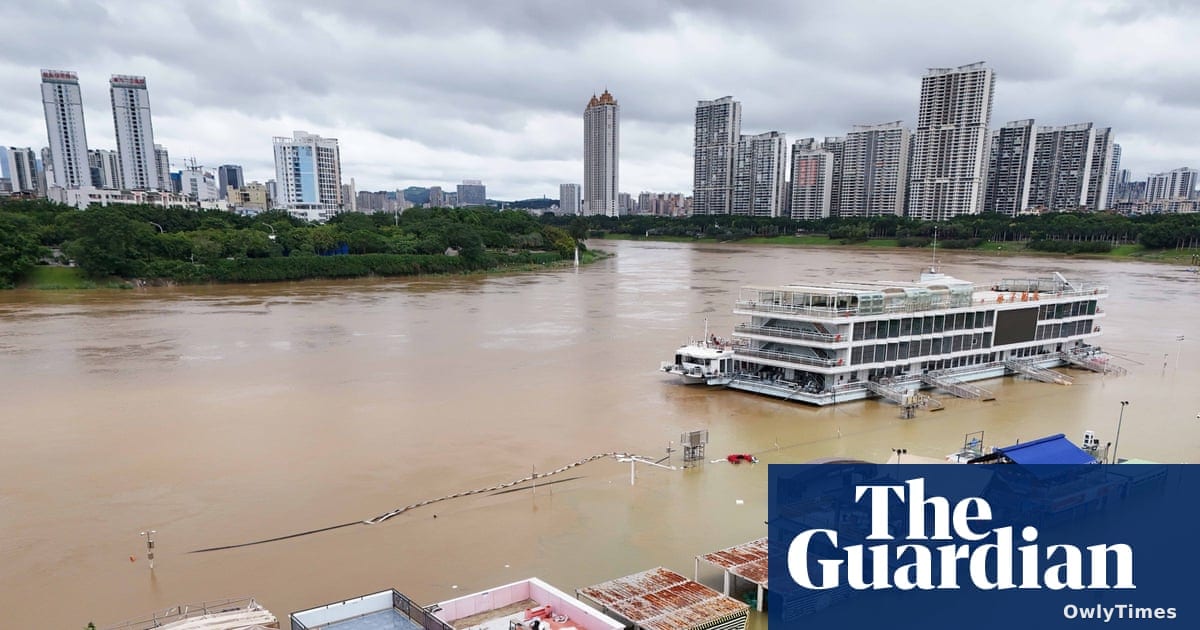
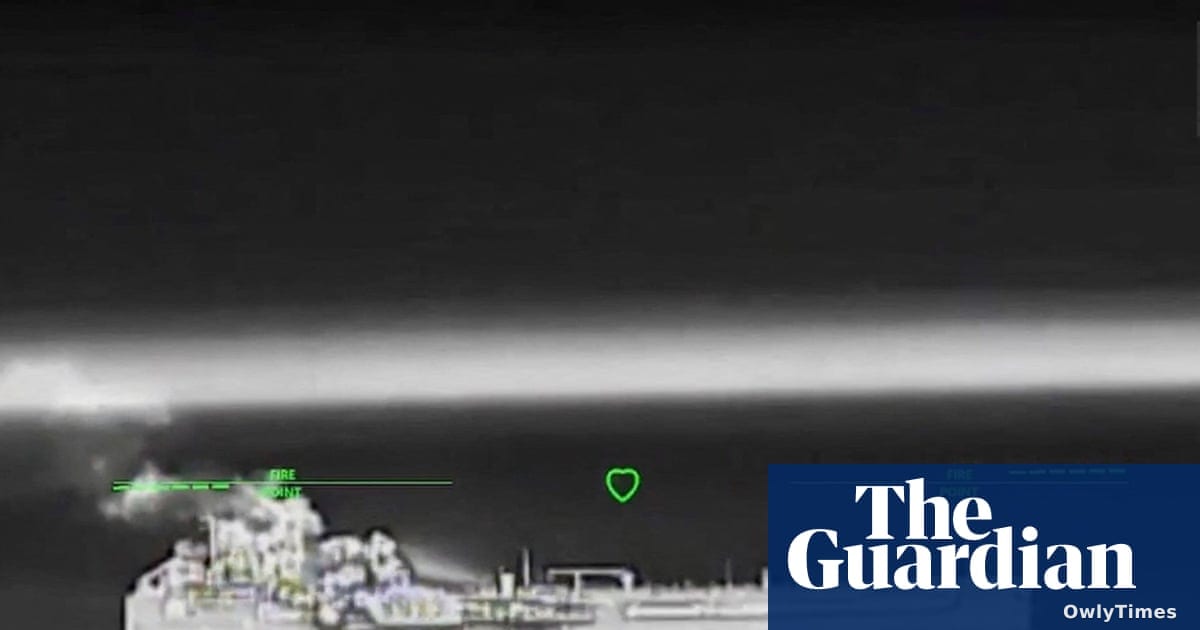
As of this week, shipping in the Sea of Azov has been brought to a standstill after a coordinated aerial campaign. According to The Guardian, 90 vessels have been targeted by Ukrainian drones in less than a week, forcing Moscow to shut down the Don-Azov canal. This isn't just a military setback; it’s an economic bottleneck. By hitting the infrastructure that connects the Caspian Sea to the world’s oceans, Ukraine is essentially isolating Russia’s "shadow fleet," which relies on these waterways to move sanctioned oil and steel.
The strategy is clear: isolate the occupied Crimean peninsula by turning it into an island. As Yevgeniya Gaber, a senior fellow at the Atlantic Council, notes via The Guardian, the goal is the "strategic neutralisation" of Russian logistics. This is being achieved through relentless strikes on refineries like the one in Syzran. While ABC News reports that the strike in the Samara region resulted in one death and three injuries, including a child, the operational impact on the Rosneft-owned facility has been profound, with images of thick black smoke signaling a massive disruption to fuel processing.
There is, however, some discrepancy regarding the severity of damage to maritime assets. While The Guardian highlights reports of tankers being abandoned and left adrift, the governor of Russia’s Rostov region, Yuri Slyusar, told ABC News that a tanker hit in the Azov-Black Sea canal was empty and posed no threat of an oil spill. Meanwhile, Euronews reports that in the port of Taganrog, the situation remains dire enough that authorities have declared a state of emergency and moved residents to temporary housing, with officials admitting that the petroleum fires are proving impossible to extinguish quickly.
For the average Russian motorist, this technical warfare has a very visceral, mundane impact: the fuel pump. The cumulative effect of these refinery strikes has triggered widespread gasoline shortages and rationing. As reported by ABC News, drivers are waiting for hours at stations, a stark reminder that in 2026, a drone strike in a remote industrial zone isn't just a military statistic—it’s a disruption to the daily commute.
Ultimately, the intensity of this campaign is unlikely to taper off soon. Ukraine’s commander-in-chief, Oleksandr Syrsky, stated via Euronews that while the two sides have reached a form of parity in their rate of advance, a "turning point" in the four-year war remains elusive. Watch for the next major signal in this conflict: the ability of Russian air defenses to recover. With Euronews noting that Russia claims to have downed over 370 drones recently, the real measure of success will be whether Ukraine can maintain this pace of deep-territory strikes as Russia attempts to fortify its remaining, battered energy infrastructure.