
Is our global infrastructure becoming a brittle house of cards in the face of increasingly volatile weather? We treat weather forecasts like software updates—routine, manageable, and easily ignored until the "system" crashes. But as Typhoon Bavi barrels through East Asia, the real story here isn’t just the raw meteorological data; it’s the massive, top-down logistical scramble required to keep modern society from folding under the pressure of a single storm.
The storm’s path has been a masterclass in regional vulnerability. According to ABC News, the typhoon first intensified monsoon rains in the Philippines, leading to a death toll of at least 17, largely due to landslides. While CNBC confirms the same casualty count, the divergence in scale highlights how different regions manage the threat. In Taiwan, despite the intensity of the storm, the government prioritized preventative evacuation, moving over 14,000 people to safety, as reported by CNBC.
The logistical footprint of these events is staggering. While ABC News cited 36 injuries in Taiwan, CNBC reported a higher figure of 87, noting that most were related to motorcycle accidents on slick roads. This underscores a persistent tech-age irony: even in highly connected societies, the most effective "emergency response" remains the physical suspension of daily commerce. Taiwan essentially shut down its international air travel, canceling 920 international flights at Taoyuan airport alone.
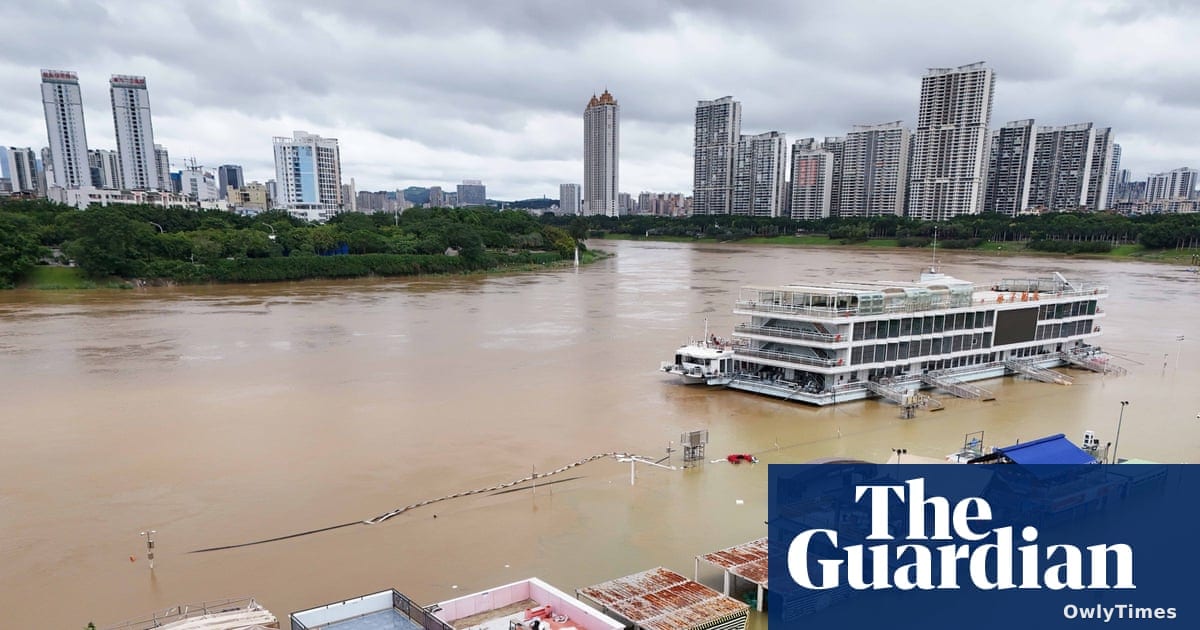
China’s response has been of a different magnitude entirely. Both CNBC and ABC News detail the massive mobilization in Zhejiang and Fujian provinces. However, the figures provided by CNBC regarding evacuations—exceeding 1.8 million people—dwarf the earlier, more conservative estimates noted by ABC News in specific sub-regions. This massive relocation effort is a stark reminder that in the face of a storm with winds reaching 144 kph (90 mph), the only reliable defense is mass displacement.
For the average user, these storms are no longer distant news cycles; they are disruptions to the global supply chain that keeps our devices, groceries, and transit moving. The BBC reported that the typhoon’s trajectory threatened heavy flooding across multiple borders, creating a cascading effect on infrastructure that reaches far beyond the storm's center. Whether it’s a resident in Wenzhou moving flowerpots to a balcony or a traveler stranded by a grounded flight, the tech-integrated modern life is incredibly sensitive to these physical "glitches."
We are currently witnessing a shift where "preparedness" is measured in millions of people relocated rather than just storm-proof architecture. The immediate trigger to watch is the landfall near Wenzhou, a city of 10 million, which will serve as the definitive test of whether these massive state-led evacuation protocols are sufficient to prevent a humanitarian catastrophe. Expect the next phase of this crisis to focus on the restoration of high-speed rail and aviation links, as the region attempts to reboot its systems once the winds drop below that critical threshold.