
The Calculus of Equanimity: Lula’s Tightrope Walk Between Washington and a Multipolar World
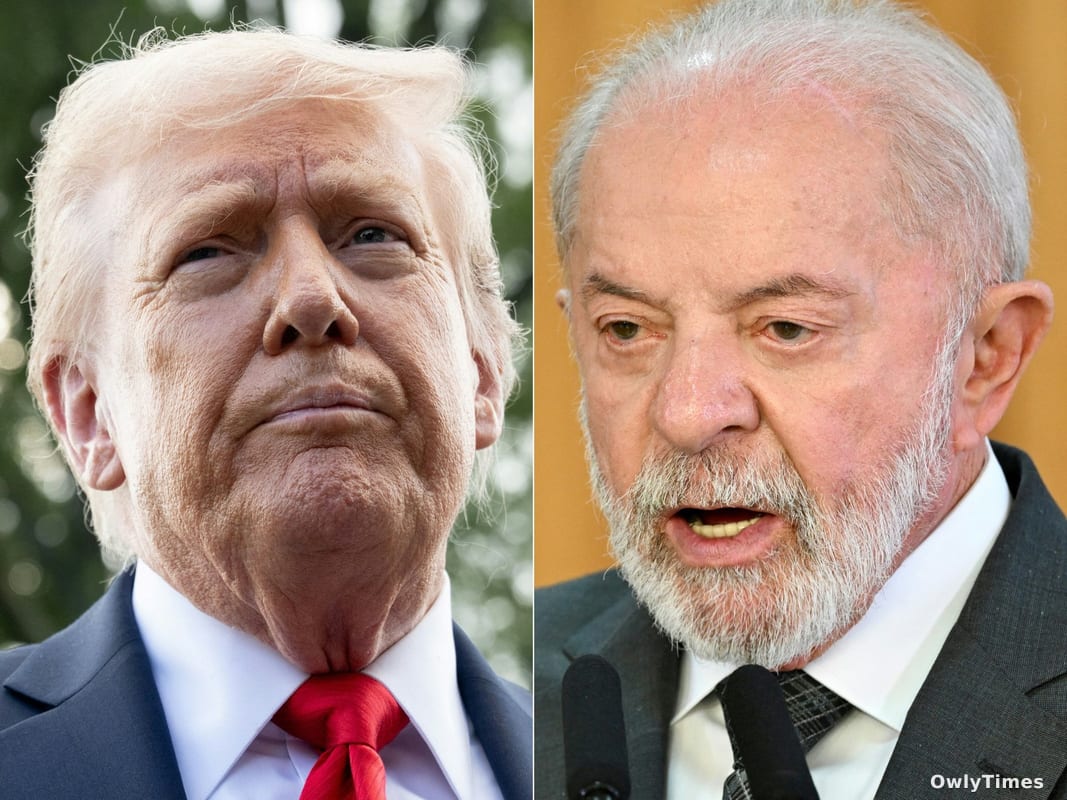
Luiz Inácio Lula da Silva’s stated desire to convey to Donald Trump that Brazil seeks “equal treatment” for all nations isn’t merely diplomatic rhetoric; it’s a calculated positioning within a rapidly shifting global order. The timing, immediately following a US Supreme Court decision dismantling key Trump-era tariffs and during a strategic visit to India, reveals a deliberate effort to leverage Brazil’s growing influence and navigate a world increasingly wary of US hegemony. Lula isn’t simply asking for fairness – he’s signaling Brazil’s intention to be a key player in a multipolar system, one where its economic and political weight demands respect, not concession.
See the original Al Jazeera story for the full account.
The refusal to comment on the Supreme Court’s tariff ruling is particularly telling. While seemingly neutral, it allows Lula to avoid directly criticizing a decision that, while legally sound, undermines the “America First” policies he’s publicly challenged. Trump’s immediate response – a pledge to reinstate tariffs via alternative legal avenues – underscores the fragility of the mending US-Brazil relationship. The initial exemption of key Brazilian exports from the 40 percent tariffs imposed in November was a tactical concession from the Trump administration, likely motivated by Brazil’s growing economic ties with China and India, and a desire to secure access to critical resources. This move, however, remains contingent on political will, and Trump’s history suggests a willingness to weaponize trade for leverage.
The parallel to the Non-Aligned Movement during the Cold War is striking. Just as nations like India and Yugoslavia sought to carve out a space independent of both the US and Soviet blocs, Brazil under Lula appears determined to avoid being drawn into a “new Cold War,” as he explicitly stated. This isn’t pacifism, but a pragmatic assessment of Brazil’s interests. A renewed US-China rivalry risks forcing nations to choose sides, potentially disrupting trade flows and hindering economic development. Lula’s simultaneous engagement with both Narendra Modi in India and the anticipated meeting with Trump demonstrates a strategy of hedging bets, maximizing options, and signaling Brazil’s independence. The agreement with India on critical minerals and rare earths, formalized through a non-binding memorandum of understanding, is a direct consequence of this strategy – diversifying supply chains and reducing reliance on any single power.
Who benefits and who loses from this approach? Brazil stands to gain by strengthening its position as a regional leader and securing favorable trade terms with multiple partners. India benefits from a reliable source of critical minerals, reducing its dependence on China, which currently dominates the rare earths market. The US, however, risks losing influence in Latin America if it fails to accommodate Brazil’s aspirations for a more equitable global order. The losers are those who benefit from a binary world, where power is concentrated in a few hands. The US abduction of Venezuelan President Nicolas Maduro, a point of contention between Lula and Trump, exemplifies this dynamic – a unilateral action that undermines international law and fuels resentment among nations seeking a more multilateral approach.
The upcoming meeting with Trump in March will be the critical test. Lula’s agenda – trade, immigration, and investment – are all areas where Brazil holds significant leverage. But the real chess move to watch isn’t what’s discussed at the meeting, but what Lula does after the meeting. Will he publicly reaffirm his commitment to a multipolar world, even if it means risking further friction with the US? Or will he prioritize short-term economic gains, potentially compromising Brazil’s long-term strategic interests? The answer will reveal whether Lula’s pursuit of “equal treatment” is a genuine attempt to reshape the global order, or simply a skillful negotiation tactic.




