
The image felt surreal, even on replay. Sam Darnold, once a cautionary tale of draft bust potential, hoisting the Lombardi Trophy. The Seattle Seahawks’ improbable Super Bowl LX victory wasn’t just a win for the franchise; it was a seismic shift in how we view quarterback reclamation projects. For years, the narrative was simple: fall from grace meant permanent exile. Now, a growing list of signal-callers – Daniel Jones, Baker Mayfield, Geno Smith – are rewriting that story, proving that a change of scenery and a second chance can unlock untapped potential. But the most intriguing question swirling around the NFL isn’t about who has been resurrected, but who’s next. And all eyes are turning to Mac Jones.
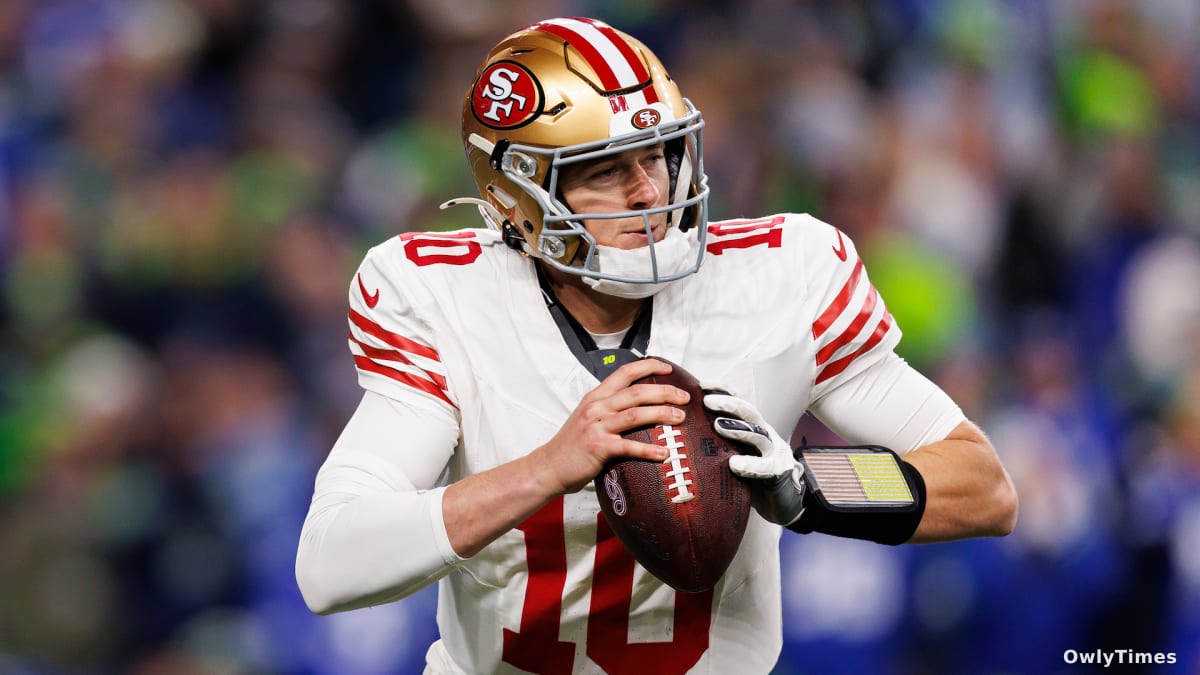
The story of Jones feels particularly poignant in an era obsessed with instant gratification. Drafted 15th overall by the New England Patriots in 2021, the Alabama product was initially hailed as the savior of a post-Tom Brady era. But the weight of expectation, coupled with a turbulent coaching situation and a perceived lack of mobility, led to a rapid decline. He became a punchline, a symbol of a failed rebuild. Yet, after stints with the Jacksonville Jaguars and, crucially, the San Francisco 49ers, Jones is suddenly…relevant again. His eight starts in 2025, filling in for an injured Brock Purdy, weren’t just serviceable; they were impressive. A 5-3 record, 69.6% completion rate, 268.9 passing yards per game, and a 97.4 passer rating have resurrected his career, turning a potential career minor leaguer into a legitimate trade target. This isn’t just about one player; it’s about a league increasingly willing to bet on potential over pedigree, and the evolving economics of the quarterback position.
The 49ers, understandably, are playing their cards close to the vest. General Manager John Lynch told reporters at the 2026 NFL Scouting Combine that trading Jones would require a “fairly strong” offer, emphasizing his value to the team. “He’s really good for us, and we value that,” Lynch said, via ESPN. “And so somebody would have to come with something fairly strong for us to consider (trading him).” This isn’t a denial, it’s a negotiation tactic. Lynch knows he holds a valuable asset – a capable quarterback on a remarkably team-friendly contract ($1.4 million base salary in 2026, $3.07 million cap hit). The 49ers aren’t desperate, but they’re pragmatic. They’ll listen to offers, and the fact that earlier reports suggesting they had “no plans” to trade Jones have seemingly softened suggests a shift in thinking. This is the new NFL: flexibility is paramount, and even backups can become bargaining chips.
See the original CBS Sports story for the full account.
Looking at recent trades for quarterbacks offers a glimpse into what the 49ers might demand. The trade of Geno Smith to the Raiders for a third-round pick feels like a floor, but Jones’s situation is different. He’s younger, on a cheaper contract, and demonstrated starting success in 2025. The Carson Wentz trade to the Colts, which ultimately netted the Eagles a first-round pick, is a high-end comparison, but Wentz was coming off a strong season. Perhaps the most relevant parallel is the 2017 trade that sent Jimmy Garoppolo from the Patriots to the 49ers for a second-round pick. Given Jones’s recent resurgence and favorable contract, a premium Day 2 pick – a second-rounder – feels like a realistic asking price. But the 49ers also have to weigh the potential of receiving a compensatory pick if Jones walks in free agency next offseason, potentially as high as a third-rounder. That adds another layer of complexity to the equation.
Several teams are poised to make a move. The Minnesota Vikings, reeling from a disastrous 2025 season and uncertainty surrounding J.J. McCarthy, could offer a second-round pick and a conditional fourth. The Pittsburgh Steelers, facing potential retirement from Aaron Rodgers, might be willing to part with a second-rounder for a more immediate solution. The New York Jets, desperate for a quarterback after a decade of futility, could dangle a second-round pick and a third. And the Miami Dolphins, navigating significant cap challenges, could offer a third-round pick and a conditional third, banking on Jones’s affordability and familiarity with a Shanahan-style offense. Each scenario presents a unique set of incentives and risks, but the underlying theme is clear: the market for a capable, affordable quarterback is surprisingly robust.
This isn’t just about Mac Jones finding a new home; it’s about the evolving landscape of the NFL. The league is witnessing a democratization of quarterback opportunity. The days of rigidly adhering to draft pedigree are fading, replaced by a willingness to embrace players who have overcome adversity. The success of Darnold, Mayfield, and Smith has created a new pathway for reclamation projects, and teams are actively seeking out undervalued talent. The question now isn’t whether Jones will be traded, but when – and what price will ultimately be paid for a second chance. Will teams continue to prioritize potential over draft status, or will the allure of a blue-chip prospect in the upcoming draft ultimately overshadow the proven commodity that Jones represents? That’s the storyline to watch as the NFL offseason unfolds.

