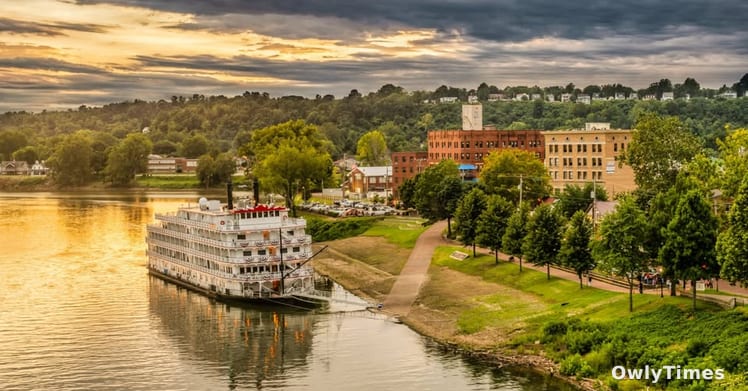

The late afternoon sun glinted off the Ohio River last week, but it wasn’t the usual shimmer of water and sky that drew a small crowd to the Marietta levee. It was anticipation. A collective holding of breath for a glimpse of the American Heritage, a paddlewheeler promising not just a journey downriver, but a potential lifeline for a town still navigating the complexities of post-pandemic recovery. This isn’t simply about tourism numbers; it’s about a community recalibrating its relationship with a river that once defined its prosperity, and a nation rediscovering a slower, more deliberate way to travel.
A Resurgence on the Rivers
The announcement from the Marietta-Washington County Convention & Visitors Bureau that the American Heritage and its sister ship, the American Melody, will make a combined 14 stops in Marietta between July 1 and August 24 feels less like a seasonal event and more like a deliberate attempt to rewrite a narrative. For decades, river travel was largely relegated to nostalgia, a quaint echo of a bygone era. But American Cruise Lines, the operator of both vessels, is betting big on a revival, and Marietta is positioned to benefit. The American Melody, built in 2021 and carrying 180 passengers, and the American Heritage, which debuted in 2015 with a colorful past as the American Eagle and Queen of the Mississippi (and a capacity of 150), represent a significant investment in domestic river cruising. This isn’t the mass-market cruise experience of the Caribbean; it’s a targeted appeal to a demographic seeking authentic American experiences.
This piece references the newsandsentinel.com report.
The economic impact, as outlined by Shannon Beacham, marketing director for the Convention & Visitors Bureau, is substantial. Each visit brings over 100 passengers eager to explore Marietta’s historic sites – Campus Martius Museum, the Children’s Toy & Doll Museum, the Henry Fearing House, and The Castle – and spend money in local businesses. While the exact figures are still being calculated, the influx represents a welcome boost, particularly for a sector still feeling the pinch from fluctuating gas prices and broader economic uncertainty. But the impact extends beyond direct spending. The riverboats themselves are a draw, attracting spectators to the levee, creating a vibrant atmosphere that ripples through the downtown area.
Beyond the Headlines: A Shift in Travel Priorities
What’s happening in Marietta is part of a larger trend. After years of prioritizing speed and efficiency, a growing number of travelers are actively seeking experiences that prioritize connection, immersion, and a slower pace. The pandemic, ironically, accelerated this shift. Confined to their homes, people began to re-evaluate their priorities, placing a greater emphasis on meaningful experiences over material possessions. River cruising taps directly into this desire. It offers a unique perspective on the American heartland, a chance to explore small towns and historic sites that are often overlooked by traditional tourism. Compared to 2019, pre-pandemic, river cruise bookings across the US have increased by an estimated 35%, according to industry reports, demonstrating a clear and sustained demand.
This isn’t just about attracting tourists; it’s about redefining what tourism means. Marietta isn’t trying to become another Orlando or Las Vegas. It’s leveraging its unique history and charm to attract a different kind of visitor – one who is interested in learning, exploring, and supporting local businesses. The Convention & Visitors Bureau’s presence at the levee, greeting passengers and providing information, is a smart move, reinforcing the message that Marietta is a welcoming and engaging destination.
The Spectacle and the Substance
There’s a performative element to these riverboat visits, a visual spectacle that draws attention and generates excitement. The sight of a paddlewheeler gliding down the Ohio River is undeniably captivating, evoking a sense of nostalgia and romance. But the real story lies beneath the surface. It’s about the economic impact, the revitalization of a historic riverfront, and the broader cultural shift towards more meaningful travel experiences. The fact that the public isn’t permitted aboard the vessels is a minor detail; the value lies in the energy and economic activity they bring to the community.
The success of this venture hinges on Marietta’s ability to capitalize on the opportunity. Will local businesses be prepared to handle the influx of visitors? Will the town be able to maintain its charm and authenticity while accommodating a growing number of tourists? These are critical questions that will shape the future of Marietta’s tourism industry. As the American Heritage and American Melody continue their summer runs, the question isn’t just if Marietta will benefit, but how it will leverage this moment to build a more sustainable and vibrant future. Will other river towns follow suit, recognizing the potential of this burgeoning market? The Ohio River, and towns like Marietta, may be poised for a renaissance, one slow, deliberate cruise at a time.