
Is the era of "safe havens" for the global elite finally coming to an end? When a bomb detonates in a territory as fortified and hyper-monitored as Monaco, the illusion of untouchability for the world's wealthiest citizens evaporates instantly.
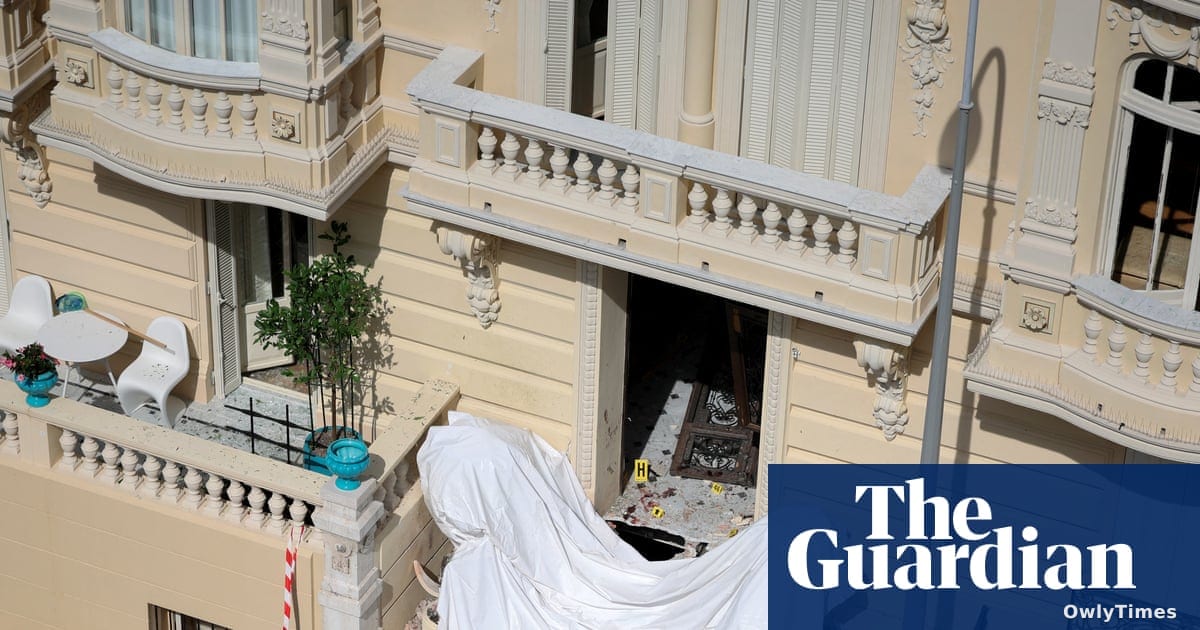
The real story here isn’t just the shock of a rare violent crime in a principality that usually makes headlines for its Formula One Grand Prix; it’s the intersection of high-stakes geopolitical warfare and the vulnerabilities of the "Monaco Battalion." On Monday evening, a package exploded in the lobby of a residential building, injuring Ukrainian-born tycoon Vadym Iermolaiev (also spelled Yermolaiev), his partner, and their 13-year-old child, according to The Guardian and CBS News.
The details of the blast are as precise as they are chilling. According to Stéphane Thibault, Monaco’s public prosecutor, a suspect was captured on CCTV dropping a package in the building's lobby before fleeing on foot toward the French border, The Guardian reports. Both Al Jazeera and CBS News note that the device was packed with bolts and buckshot, a crude but effective choice that suggests a desire to cause maximum physical harm rather than just a symbolic threat. While The Guardian confirms the mother remains in life-threatening condition, Al Jazeera adds the grim detail that she suffered severe injuries to her lower body.
The motive remains the subject of intense, albeit conflicting, speculation. Monaco’s Minister of State Christophe Mirmand told reporters that officials could "assume" it was an assassination attempt, as reported by CBS News. However, the theories diverge significantly from there. Al Jazeera cites the French newspaper Le Figaro, which floated the possibility that the attack was directed by the Security Service of Ukraine (SBU)—though they clarify it may have been intended as a "warning" rather than a hit. Meanwhile, The Guardian highlights that local Ukrainian media have pointed toward organized crime syndicates tied to scam-call centers, a far more mundane, albeit violent, explanation.
To understand why Iermolaiev was a target, you have to look at the murky digital and physical footprint of his business empire. Once a fixture on the Forbes Ukraine rich list, Iermolaiev renounced his Ukrainian citizenship in 2019 to become a Cypriot national, citing a desire for "international protection" from what he described as an objective-less tax system, per Al Jazeera. By 2023, he was under Ukrainian sanctions for his alleged business ties to Russian-occupied Crimea, a charge he has consistently denied, claiming his assets were essentially seized by Russian forces, according to The Guardian.
For the average user, this event serves as a stark reminder that even in an era of globalized finance and digital citizenship, physical security is an analog problem that tech-savvy surveillance cannot always solve. Despite Monaco's extensive network of security cameras, the suspect managed to vanish into the neighboring town of Beausoleil, exploiting the porous, invisible border between the principality and France, as noted by Al Jazeera.
We are currently watching a "mirror" investigation unfold between French and Monegasque authorities. Expect the next phase of this drama to be dictated by the forensics of that surveillance footage; if the perpetrator is not apprehended in the immediate cross-border dragnet, it will signal a permanent shift in how the world’s most private enclaves handle the spillover of international conflicts.