
The air in the Czech spa town of Karlovy Vary is thick with more than just the scent of mineral springs this July; it is charged with the frantic, high-stakes energy of the 60th Karlovy Vary International Film Festival. As the event marks its 80th year, the atmosphere—captured by the presence of Hollywood icons like Dustin Hoffman and Jesse Eisenberg—serves as a reminder that cinema remains our most potent bridge across geographic and cultural divides. Yet, beyond the red carpets and the practiced smiles of the festival’s elite, a different, more intimate drama is playing out in the screening rooms and behind the scenes.
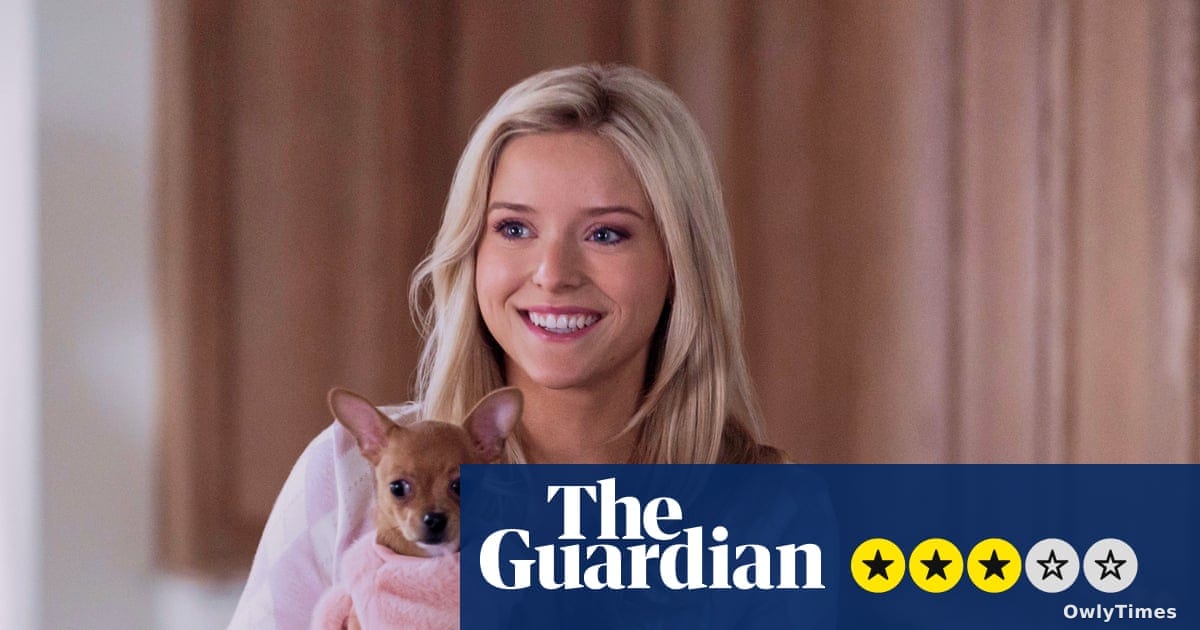
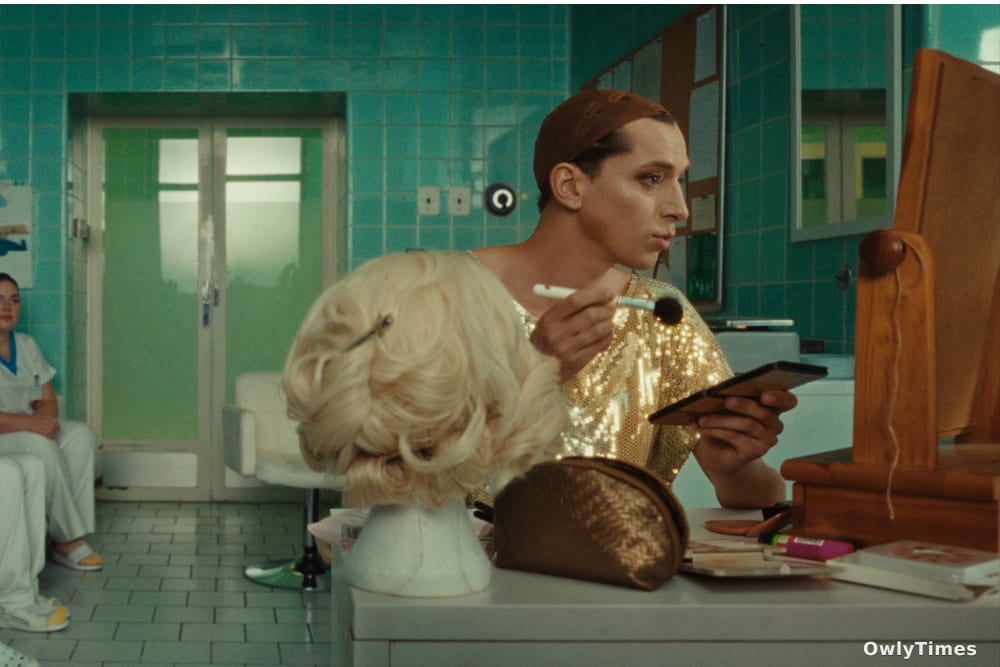
While the festival celebrates its milestone anniversary with nearly 40 titles in its main program, the reception of these films has been as varied as the origins of the filmmakers themselves. According to Variety, the competition entry Chica Checa, directed by Šimon Holý, has struggled to find its footing. Despite the gravity of its subject matter—which includes a young man coming out as a drag queen to his mother—the film is described by critics as a "clumsy" and "unconvincing" work that opts for a "low-effort delight" rather than the grit its themes deserve. The film’s reliance on predictable tropes highlights a broader tension in modern storytelling: the thin line between normalizing diverse identities and reducing them to a "textbook" narrative of easy reconciliation.
This friction between the polished surface of the festival and the messy reality of production is echoed in the lived experiences of those who make the event possible. The Hollywood Reporter notes that the festival’s global reach relies heavily on the technical grace of interpreters like Helena Koutná. A veteran of the circuit since 1997, Koutná’s work—which includes simultaneous translation and the precise, shorthand note-taking of industry-specific symbols—is the hidden infrastructure of these cross-cultural exchanges. Her presence, and the professional agility required to bridge the gap between stars like Hoffman and a Czech audience, reveals that the "magic" of international film is actually the result of rigorous, often invisible, labor.
The personal toll of creative labor is perhaps best encapsulated in the festival’s documentary premiere, Robert Richardson: The White Devil. As Deadline reports, the film, directed by Jana Hojdová, provides a candid look at the legendary cinematographer who has defined the visual language of directors like Quentin Tarantino and Oliver Stone. The documentary itself is a product of the pandemic; filmed while Hojdová was effectively trapped as a houseguest with Robert Richardson during the COVID-19 lockdown, the project evolved from a student assignment into a deep, "warts-and-all" archival excavation. Richardson, now 70, reflects on the period not as a vacation, but as a period of forced creativity where, unable to escape, he and Hojdová restored defunct cameras and projected Super 8 reels, turning a global crisis into a permanent record of his craft.
These stories, when woven together, offer a compelling look at why festivals like Karlovy Vary remain essential. They are where the "middlebrow" ambitions of films like Chica Checa are tested against the harsh reality of critical scrutiny, and where industry titans like Richardson are stripped of their mystique by the very medium they helped create. As the festival runs through July 11, the reliance on human connection—whether through the linguistic bridge of an interpreter or the relentless, forced collaboration of a pandemic-era documentary—remains the industry’s most vital, if fragile, asset. In an era where digital tools can replace lighting or translate speech, these moments of genuine friction and connection serve as a reminder that the human element is the only part of the process that cannot be automated.