
When a high-stakes sporting event triggers a physiological stress response, we often ask: what exactly is happening inside the body during those final, heart-pounding minutes of competition? While the BBC recently explored the health implications of such stress through a monitored experiment on England fans, the dramatic reality of these "good stress" responses was on full display in Seattle this past Wednesday. In a World Cup last-32 match that proved to be a masterclass in emotional and physical volatility, Belgium staged a remarkable 3-2 comeback victory over Senegal, capped by a penalty that has now entered the record books.
The Anatomy of a Comeback
The match appeared to be slipping away from Belgium, who trailed 2-0 for much of the game. Habib Diarra opened the scoring for Senegal in the 25th minute, and Ismail Sarr doubled the lead in the 51st minute following a precise pass from Moussa Niakhate. According to Al Jazeera, Belgium looked "dead and buried" until the final five minutes of regulation time, when Romelu Lukaku and Youri Tielemans netted two quick goals to force extra time.
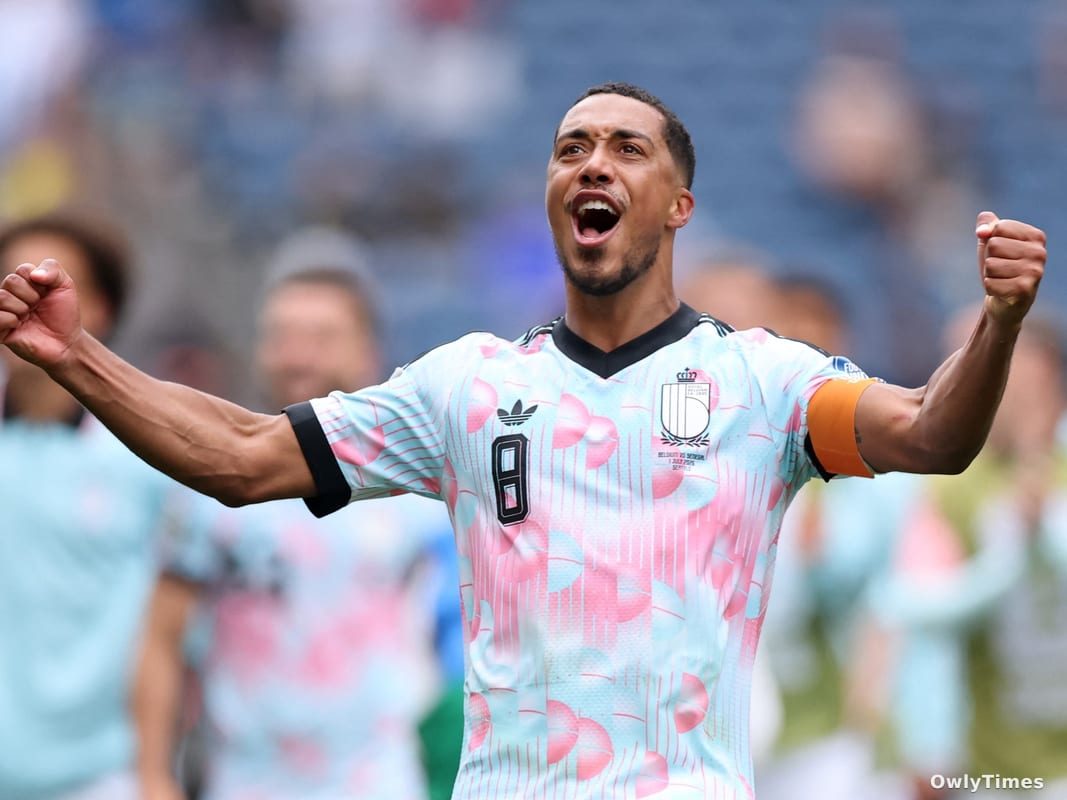
The conclusion of the match was marked by a moment of intense scrutiny. After a video assistant referee review determined that Lamine Camara fouled Tielemans, a penalty was awarded. Tielemans converted the spot-kick to secure the win. The Guardian reports that this goal, occurring at 124 minutes and 44 seconds, is the latest goal in the history of the World Cup.
Clarifying the Outcome
It is important to distinguish between the clinical observations of stress and the practical results on the pitch. Headlines often characterize such late-game drama as purely chaotic, but the data confirms a specific sequence of tactical shifts. While Al Jazeera notes that the penalty decision was contested by the nature of the late-game review, The Guardian clarifies that the call, while "controversial" to some, appeared to be a standard penalty. Both sources agree that Senegal dominated significant portions of the 90 minutes, striking the woodwork twice, yet failed to maintain their advantage.
Limitations to Consider
When interpreting these events, we must be cautious about overstating the "inevitability" of a comeback. Belgium’s victory was the result of a very narrow window of offensive efficiency in the final minutes, rather than a sustained period of superior play. Furthermore, the upcoming match against the United States presents a new set of variables. While the U.S. successfully advanced by defeating Bosnia and Herzegovina, they will be without Folarin Balogun due to a red card, as noted by The Guardian. This personnel change is a significant limitation for the U.S. squad that will fundamentally alter the tactical dynamics when they meet Belgium.
Looking Ahead
The next phase of the tournament will test whether Belgium’s late-game surge was an anomaly or a sign of tactical resilience. Belgium is scheduled to face the United States in Seattle this coming Monday. For sports scientists and fans alike, the focus now shifts to how these teams manage the physical recovery from extended extra-time play and how the absence of key players like Balogun will impact the U.S. defensive structure. As we watch these athletes, we are reminded that the "stress response" observed in fans is merely a reflection of the intense, split-second decision-making required on the pitch.