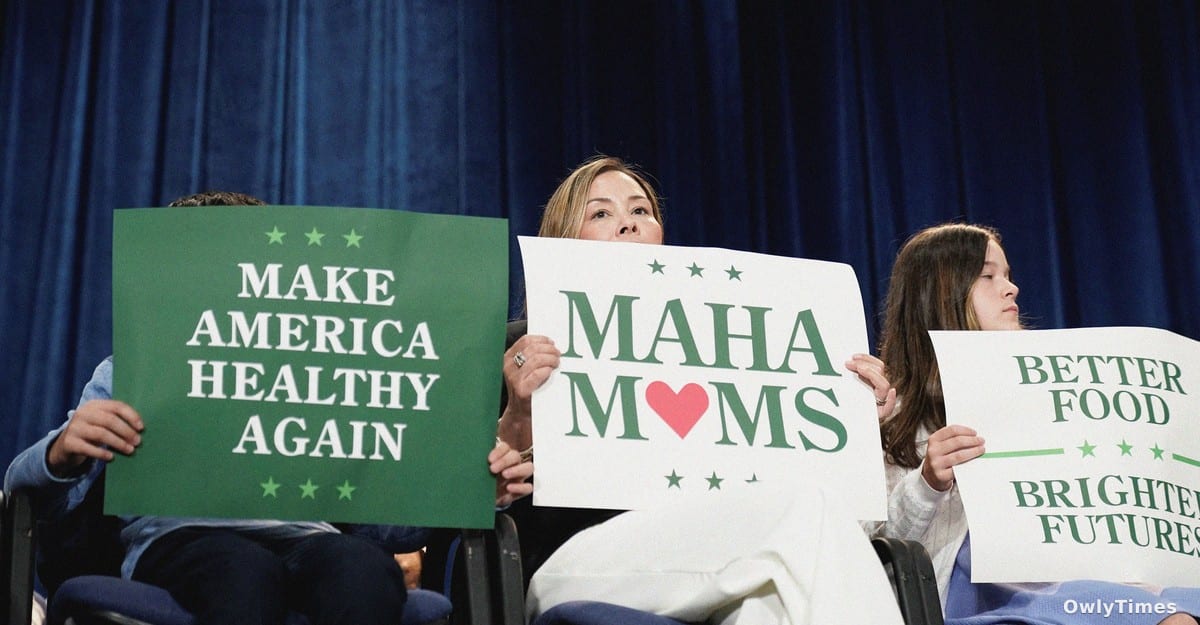

The political influence of the "Make America Healthy Again" (MAHA) movement currently hinges on a fundamental question: does a shared anxiety over chemical additives and nutrition translate into a cohesive voting bloc, or is it merely a fragmented collection of grievances? While the movement has been billed by figures like former strategist Steve Bannon as "central to our coalition," the scientific and demographic reality of MAHA suggests a far more complex picture. For those following the intersection of public health policy and electoral politics, the challenge lies in separating the noise of social media activism from the actual mechanics of voter behavior.
Earlier this month, a delegation of prominent MAHA advocates—including health activist Kelly Ryerson, wellness podcaster Alex Clark, and nutritionist Courtney Swan—convened in the Roosevelt Room to meet with Health Secretary Robert F. Kennedy Jr. The event, which included an audience with President Trump in the Oval Office, appeared designed to mend fences. The alliance has faced significant strain, particularly following the February executive order that could grant liability protection to manufacturers of glyphosate, a chemical herbicide that Ryerson—known online as "Glyphosate Girl"—and many in the movement view as a primary health threat.
The study of this movement requires distinguishing between its high-profile leadership and its rank-and-file constituents. Headlines often paint MAHA as a monolith, yet reporting from events like CPAC reveals a different landscape. Many attendees identified as "MAGA" supporters long before they adopted MAHA priorities, suggesting that for a large portion of the base, health policy is an additive preference rather than a primary driver of their vote. This is a critical distinction for researchers; while one-third of independent parents express interest in MAHA-aligned health goals, interest does not equate to the single-issue voting behavior required to shift national election outcomes.
Limitations to consider include the difficulty in quantifying the movement's actual reach. While Tony Lyons, who runs the MAHA PAC, claims there are millions of supporters, the empirical evidence for this scale remains elusive. Even when mobilization efforts are attempted, the data often falls short of the rhetoric. For instance, while influencer Vani Hari suggested thousands of supporters were contacting state legislatures regarding pesticide immunity, actual legislative offices—such as one in Tennessee—reported receiving closer to 150 emails and 50 calls. These numbers, while non-trivial, do not suggest the kind of grassroots surge that would fundamentally alter the aggregate results of a national election.
Furthermore, the movement lacks a clear historical precedent. Patrick Rafail, a professor at Tulane University, notes that while the Tea Party movement of 2010 was similarly viewed as diffuse, it was characterized by high levels of funding and strategic planning. Rafail finds no direct parallel for MAHA, suggesting that the movement’s current structure may be too amorphous to replicate past populist waves.
Looking ahead, the next indicator of the movement's political efficacy will be the stalled nomination of Casey Means, Trump's pick for surgeon general. The failure to secure a Senate confirmation vote serves as a measurable signal of how much weight the administration is truly willing to put behind the MAHA agenda. Whether the movement can move beyond its role as a coalition partner and into a position of legislative influence depends on whether the administration continues these "productive engagements," as Kush Desai, the White House senior deputy press secretary, described them, or if the movement remains sidelined by established party priorities. The next reading of Senate confirmation proceedings for Means will likely indicate whether MAHA is a genuine force in the upcoming midterms or a secondary concern in the broader Republican platform.





