
163. That’s the number of notices of violation issued to Martinez Refining Company (MRC) between 2020 and 2024, culminating in a $10 million civil judgment announced this week. While headlines focus on the hefty fine, the underlying story reveals a systemic failure of oversight and a concerning pattern of prioritizing production over public health at a refinery now owned by BPF Energy. Follow the money: Shell sold MRC to BPF in 2020, and since then, the facility’s environmental performance has demonstrably deteriorated, triggering a cascade of violations and ultimately, this significant penalty.
The Catalyst Event: Thanksgiving 2022 and Beyond
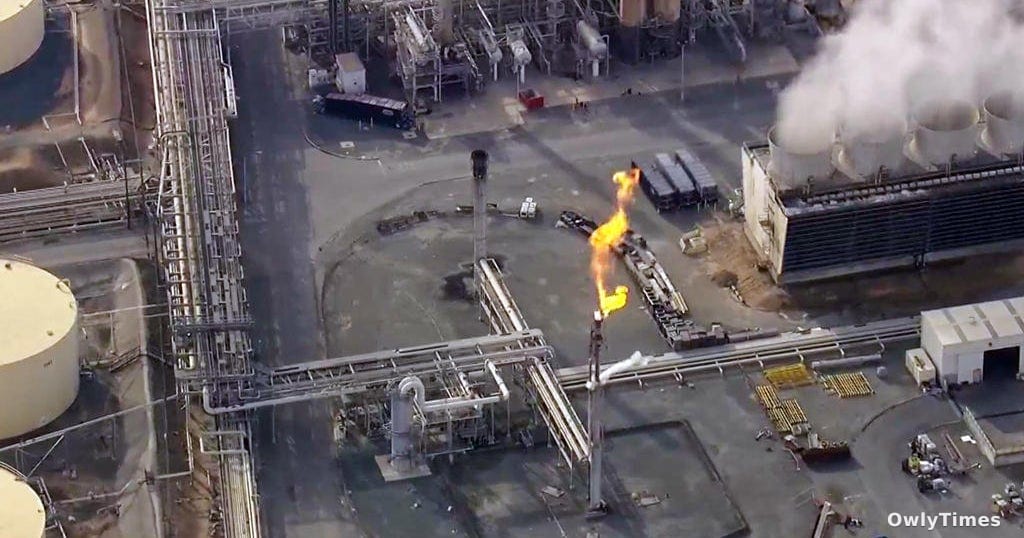
The sheer volume of violations—163 in just four years—is striking, but the 2022 Thanksgiving Day release of spent catalyst provides a stark illustration of the risks. This toxic residue, blanketing Martinez and neighboring communities in a white ash-like substance containing elevated levels of heavy metals, wasn’t an isolated incident. It was part of a larger pattern that included releases of petcoke dust, illegal flaring, fires, and persistent nuisance-level odors. The fact that this occurred during a major holiday, when many residents were already gathered, underscores the disregard for community well-being. While the $10 million penalty is substantial, it’s crucial to note that it doesn’t encompass the February 2025 fire and chemical release, which lasted three days and released byproducts linked to cancer and heart/lung disease. A subsequent report attributed this incident to inadequate contractor training and supervision, highlighting a deeper operational issue.
Based on the original CBS News report.
BPF Energy’s Acquisition and the Shift in Performance
BPF Energy’s acquisition of MRC from Royal Dutch Shell in 2020 marks a critical inflection point. While it’s premature to definitively attribute all subsequent violations solely to the change in ownership, the timing is undeniably significant. Shell, while not without its own environmental record, generally operated under stricter regulatory scrutiny and a more established compliance framework. BPF, a relatively smaller and less publicly scrutinized entity, appears to have loosened those controls, leading to the documented increase in violations. The $600,000 allocated to supplemental environmental projects—school air filtration systems, regulator certifications, and fish and game resource enhancement—while laudable, feels like a reactive measure rather than a proactive commitment to preventing future incidents.
The Air District’s Community Benefits Policy: A Partial Remedy
The Bay Area Air District’s decision to direct the $10 million penalty towards local air quality projects, guided by its Community Benefits Policy, is a positive development. This policy, designed to reinvest penalties back into affected communities, aims to mitigate the harm caused by pollution and improve public health. However, the policy’s effectiveness hinges on rigorous oversight and transparent allocation of funds. The allocation of resources to air filtration systems for schools, for example, addresses a direct consequence of the refinery’s emissions, but it doesn’t address the root cause: the ongoing operational failures at MRC. The policy’s success will depend on whether these projects lead to measurable improvements in air quality and public health outcomes.
Why Memphis Manufacturers Are Watching Closely
The case of MRC isn’t just a local issue; it has broader implications for industrial facilities across the country. The fact that a refinery could accumulate 163 notices of violation over four years, culminating in a $10 million penalty, demonstrates the potential for regulatory failures and the consequences of prioritizing short-term profits over environmental compliance. Manufacturers in regions with similar industrial activity, particularly those operating under less stringent oversight, should take note. The MRC case serves as a cautionary tale, highlighting the importance of robust internal compliance programs and proactive engagement with regulatory agencies.
What This Means for Your Wallet
The $10 million penalty, while a victory for environmental advocates, won’t immediately translate into lower energy costs for consumers. However, the increased scrutiny and potential for future penalties could incentivize MRC and BPF Energy to invest in improved safety and environmental controls, potentially reducing the risk of future incidents that could disrupt fuel supplies and impact regional economies. More importantly, the case underscores the long-term costs of environmental negligence – costs borne not just by the community directly impacted by pollution, but by all of us through increased healthcare expenses and diminished quality of life. What investors and consumers should watch closely is whether BPF Energy implements meaningful operational changes at MRC, or if this penalty is simply a one-time expense with little impact on the refinery’s long-term environmental performance.