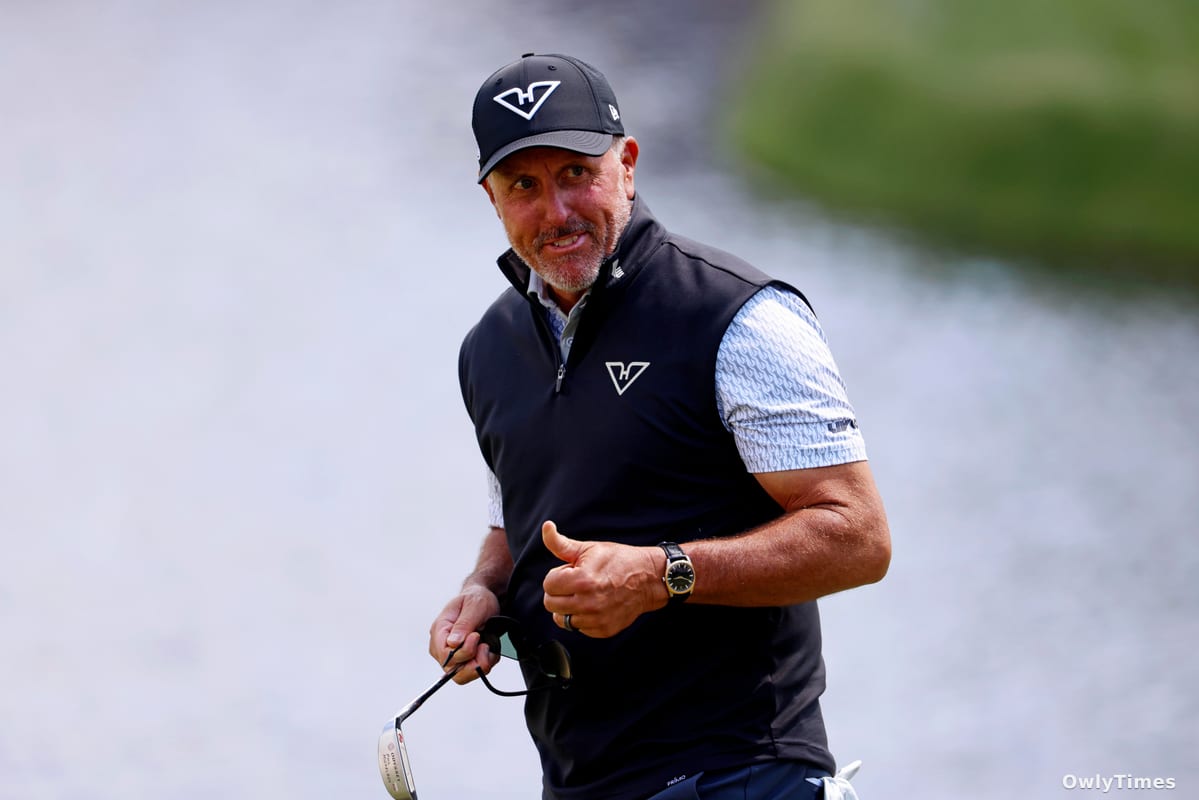

The absence of a familiar figure at Augusta National next week isn’t simply a story about a missing golfer; it’s a quiet signal of shifting priorities, even within the intensely public world of professional sports. While headlines focus on Phil Mickelson’s withdrawal from the Masters due to a “personal health matter involving family,” the context of his recent professional choices, coupled with the carefully worded statements from both Mickelson and Augusta National, suggests a more complex situation than a simple temporary leave. This isn’t a case of injury recovery with a defined return; it’s a deliberate stepping back, and the implications extend beyond the 91-player field now competing for a green jacket.
A Pattern of Absence and Re-Engagement
This isn’t the first time Mickelson has been absent from the LIV Golf circuit due to family health concerns. He previously missed the first four events of 2024, a period he also attributed to a family health matter. His return to competition in South Africa in March, where he finished tied for 48th, was framed as a measured re-entry, but the performance itself – a relatively unremarkable result for a three-time Masters champion – hinted at a potential distraction. To understand the significance of this latest withdrawal, it’s crucial to remember that Mickelson’s decision to join LIV Golf in 2022 was, in part, a highly public negotiation over control of his image and schedule. He openly discussed wanting more flexibility, and the financial incentives were substantial. Now, he’s voluntarily relinquishing the opportunity to compete in arguably the most prestigious tournament in golf, a decision that seems at odds with his previous stated goals.
Beyond the Scorecard: Reading the Statements
The language used by both Mickelson and Fred Ridley, chairman of Augusta National, is notably restrained and supportive. Mickelson’s social media post emphasizes his “great respect” for Augusta National and acknowledges it as the “most special week of the year,” a sentiment that feels carefully constructed. He doesn’t offer details about the family health matter, and the phrasing “extended period of time” is deliberately vague. Ridley’s statement echoes this tone, offering “complete support” while acknowledging Mickelson’s absence will be felt. This isn’t the language typically used when a player withdraws due to a routine injury; it’s a statement designed to respect privacy and signal understanding. The carefulness suggests a situation that requires sensitivity, and a desire to avoid speculation. It’s a tacit acknowledgement that this absence is different.
This article draws on reporting from golfweek.usatoday.com.
What the Study of Absence Reveals
It’s important to clarify what this announcement doesn’t mean. It doesn’t necessarily indicate a permanent retirement from golf, nor does it definitively reveal the nature of the family health matter. What it does reveal is a shift in priorities for Mickelson. His previous willingness to navigate the controversies surrounding LIV Golf and maintain a demanding schedule suggests a strong competitive drive. Choosing to step away from the Masters, even with the potential financial implications and loss of prestige, indicates that family concerns are currently outweighing those professional ambitions. This is a pattern: brief returns to competition followed by withdrawals for the same stated reason. This isn’t a single event, but a developing narrative.
Limitations to Consider
The biggest limitation, of course, is the lack of specific information. We are relying on carefully crafted public statements and observing patterns of behavior. It’s impossible to know the full extent of the family health matter or the internal deliberations that led to this decision. Furthermore, the context of LIV Golf adds another layer of complexity. The league’s structure and financial incentives may allow Mickelson a degree of flexibility that wouldn’t be available to players on the PGA Tour, making his decision less about immediate career impact and more about personal needs. It’s also worth noting that the Masters field, at 91 players, remains competitive even without him, and could expand to 92 depending on the outcome of the Valero Texas Open. The tournament will proceed, and the absence of one player, however prominent, won’t fundamentally alter its prestige.
Looking ahead, the key question isn’t when Phil Mickelson will return to golf, but under what circumstances. Will his future participation be dictated solely by his family’s needs, or will he attempt to balance personal commitments with his competitive aspirations? The next few months will reveal whether this withdrawal is a temporary pause or a more significant recalibration of his priorities. Observers should watch for any changes in his public statements, his level of engagement with LIV Golf, and, crucially, any further announcements regarding his family’s health. The story isn’t just about a missing golfer at Augusta; it’s about the evolving relationship between professional ambition and personal life, played out on a very public stage.