
The Quiet Absence: Beyond the Headlines of Mickelson and Woods’ Masters Withdrawals
The simultaneous absence of Phil Mickelson and Tiger Woods from the Masters Tournament is being framed as a rare occurrence – the first since 1994 – and a blow to the prestige of the event. But focusing solely on the sporting loss obscures a more complex narrative: one about the evolving relationship between professional athletes, personal accountability, and the increasingly blurred lines between performance, public image, and financial interests. This isn’t simply about two golfers missing a tournament; it’s a reflection of a moment where the consequences of past choices are reshaping the landscape of professional golf, and potentially, athlete-sponsor dynamics more broadly.
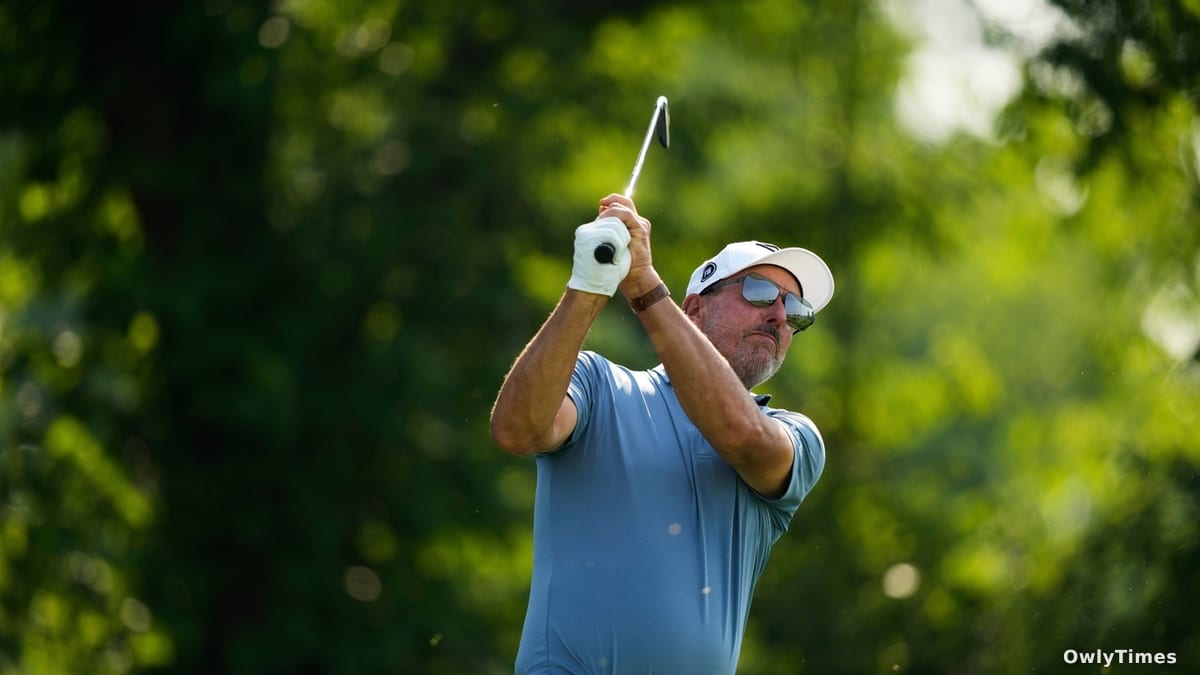
The stated reasons for their absences are distinct. Mickelson cited a “personal health matter” within his family, leading to his withdrawal from the Masters and an “extended period” away from LIV Golf. This follows a pattern of limited participation in LIV events this year, and a return to competition in South Africa where he finished 48th out of 57 players, stating simply, “It's just fun to be back playing.” Woods, meanwhile, is seeking treatment following a February arrest for suspicion of driving under the influence. While both situations involve personal challenges, the context surrounding Mickelson’s absence is particularly layered, stemming from controversies that erupted in 2022. It’s crucial to understand that the current withdrawal isn’t occurring in a vacuum; it’s a continuation of a narrative that began with highly publicized, and damaging, statements.
The 2022 leave of absence, triggered by remarks made to author Alan Shipnuck for his biography of Mickelson, centered on the golfer’s views regarding Saudi Arabia’s human rights record and the murder of Washington Post columnist Jamal Khashoggi. Mickelson reportedly downplayed these concerns as a “once-in-a-lifetime opportunity” to leverage the Saudi Public Investment Fund’s backing of LIV Golf to “reshape” the PGA Tour. These comments, published in Golf Digest, led to the loss of significant corporate sponsorships, a financial hit that underscored the growing expectation for athletes to align their public persona with ethical considerations. The subsequent jump to LIV Golf, a league funded by the same Saudi entity, further cemented the perception of a calculated trade-off between principle and profit. To frame this as simply a golfer choosing a different tour ignores the ethical questions at the heart of that decision.
Based on the original newsday.com report.
It’s important to note what the studies don’t show. There’s no evidence presented here to suggest a direct causal link between Mickelson’s past statements and his current family health matter. The withdrawal is presented as a separate issue, and respecting the family’s privacy is paramount. However, the timing is undeniably significant. The scrutiny surrounding Mickelson’s involvement with LIV Golf has been relentless, and the pressure to maintain a positive public image – particularly for athletes who rely on endorsements – is immense. The fact that he initially returned to play in South Africa, despite the ongoing controversy, suggests a desire to re-engage with the sport, but the subsequent withdrawal indicates that the underlying issues haven’t simply disappeared.
The Shifting Sands of Athlete Accountability
The absence of both Mickelson and Woods also highlights a broader trend in professional sports: the increasing expectation for athletes to be held accountable for their actions, both on and off the course. Woods’ legal troubles, while separate from the ethical debate surrounding LIV Golf, demonstrate that even the most celebrated athletes are not immune to consequences. The 1994 parallel – when both were absent due to different circumstances – feels distant. In 1994, the public’s access to athletes’ personal lives was far more limited. Today, social media and 24/7 news cycles amplify every misstep, creating a climate where reputation management is as crucial as athletic performance. This isn’t necessarily a negative development; it can encourage more responsible behavior, but it also raises questions about the fairness of public judgment and the right to privacy.
The Masters will proceed with a 91-man field, leaving one qualifying spot open for the winner of the Texas Open. While the tournament will undoubtedly draw significant viewership, the absence of two of its most iconic figures will be felt. The question now isn’t just who will win the green jacket, but whether this period of absence will prompt a deeper reflection on the responsibilities that come with being a public figure in the modern era. Will Mickelson’s return to golf be accompanied by a more nuanced engagement with the ethical concerns surrounding LIV Golf? And will Woods’ treatment address the underlying issues that led to his arrest? These are the questions that will shape the narrative long after the final putt drops at Augusta National.

