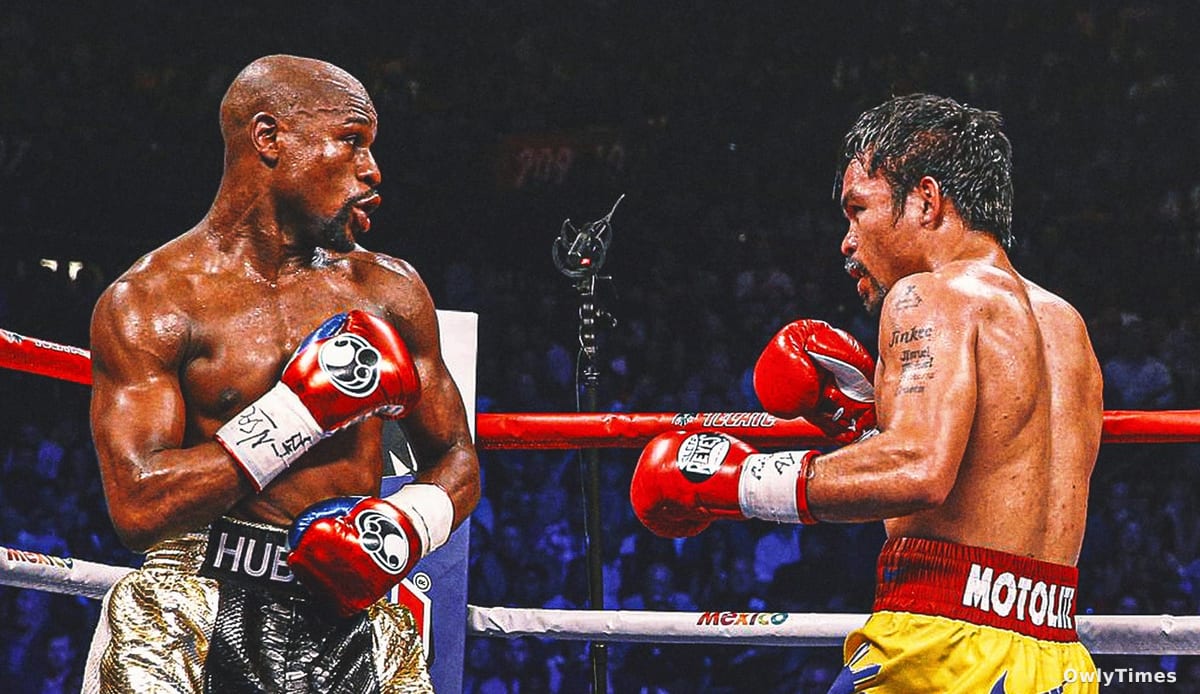

The flickering screen of a Las Vegas casino sports book, circa 2015, is a fitting image for this moment. A sea of faces, illuminated by the glow of odds scrolling across a massive display, all fixated on one number: 600 to 1. That was the initial longshot bet offered on a Floyd Mayweather Jr. vs. Manny Pacquiao rematch ever happening. Now, on Monday, February 24th, that bet is officially off the board. The two boxing legends will step back into the ring on Saturday, September 19th, not in a glittering arena, but streamed globally on Netflix. This isn’t just a fight announcement; it’s a seismic shift in how we consume—and bet on—sports, and a stark reflection of our culture’s relentless appetite for nostalgia.
The Rematch Nobody Saw Coming (Until Now)
The original Mayweather-Pacquiao fight on May 2, 2015, wasn’t just a sporting event; it was a cultural phenomenon. Generating an estimated $600 million in revenue, it remains the most lucrative fight in sports history. Yet, it was widely criticized as a letdown, occurring years after its prime, with Mayweather winning by unanimous decision in a bout many found strategically underwhelming. Now, nearly a decade later, both fighters are well into their late 40s. Mayweather, 49, officially retired at 50-0 after defeating Conor McGregor in 2017, a spectacle that blurred the lines between boxing and entertainment. He’s since engaged in a series of exhibition bouts, including a scheduled match against Mike Tyson in April. Pacquiao, 47, came out of retirement himself in 2025 to face Mario Barrios, resulting in a majority draw, a far cry from his peak form where he amassed a 62-8-3 record and hadn’t secured a win since 2019. The current odds at Bet365 reflect this reality: Mayweather is a -175 favorite (bet $10 to win $15.71), while Pacquiao is a +150 underdog (bet $10 to win $25), with a draw at a distant +1400.
Original reporting: foxsports.com.
Beyond the Headlines: The Streaming Revolution & The Aging Athlete
The decision to host the rematch on Netflix is the story within the story. This isn’t simply about reaching a wider audience; it’s a deliberate disruption of the traditional pay-per-view model. For years, boxing fans were forced to shell out exorbitant fees for major fights, often plagued by technical issues and frustrating delays. Netflix, with its 260.82 million subscribers worldwide as of January 2024, offers a seamless, accessible platform, and a built-in audience hungry for live events. This move signals a broader trend: streaming services are aggressively vying for live sports rights, recognizing their power to attract and retain subscribers. Amazon Prime Video, Apple TV+, and Peacock are all making similar investments, fundamentally altering the landscape of sports broadcasting. But it also raises questions about the future of boxing’s relationship with its core fanbase, those who prefer the traditional viewing experience.
The Appeal of Reliving Glory Days
The enduring appeal of this rematch isn’t about witnessing peak athleticism. It’s about nostalgia, about reliving a moment in time when Mayweather and Pacquiao were at the apex of their careers. Both fighters represent different eras of boxing, and their rivalry captivated a generation. The fact that both have continued to participate in fights, even in exhibition or comeback form, speaks to a larger cultural phenomenon: the reluctance of iconic figures to fully relinquish the spotlight. Tyson’s recent bout against Jake Paul, despite a loss, drew significant attention, proving that audiences are fascinated by seeing aging legends test their limits. This isn’t just about boxing; it’s a pattern seen across sports and entertainment, from rock bands embarking on farewell tours to actors reprising beloved roles decades later. It’s a collective desire to recapture a sense of the past, a yearning for familiar faces in an increasingly uncertain world.
What This Means for the Future of Combat Sports
The Mayweather-Pacquiao rematch on Netflix isn’t just a one-off event. It’s a bellwether for the future of combat sports. Will other aging stars follow suit, seeking lucrative opportunities on streaming platforms? Will promoters prioritize accessibility over exclusivity, embracing the potential of a wider audience? And perhaps most importantly, will fans continue to tune in, even when the fighters are past their prime? The success of this event will undoubtedly influence the strategies of promoters, broadcasters, and athletes alike. The question now isn’t just who will win the fight, but whether this marks the beginning of a new era of nostalgia-driven combat sports, where the past is constantly being revisited—and re-packaged—for a new generation. Will we see a surge in "legacy bouts" as fighters seek one last payday and a final moment in the spotlight, or will this be a unique anomaly? That’s the fight worth watching beyond the ropes.

