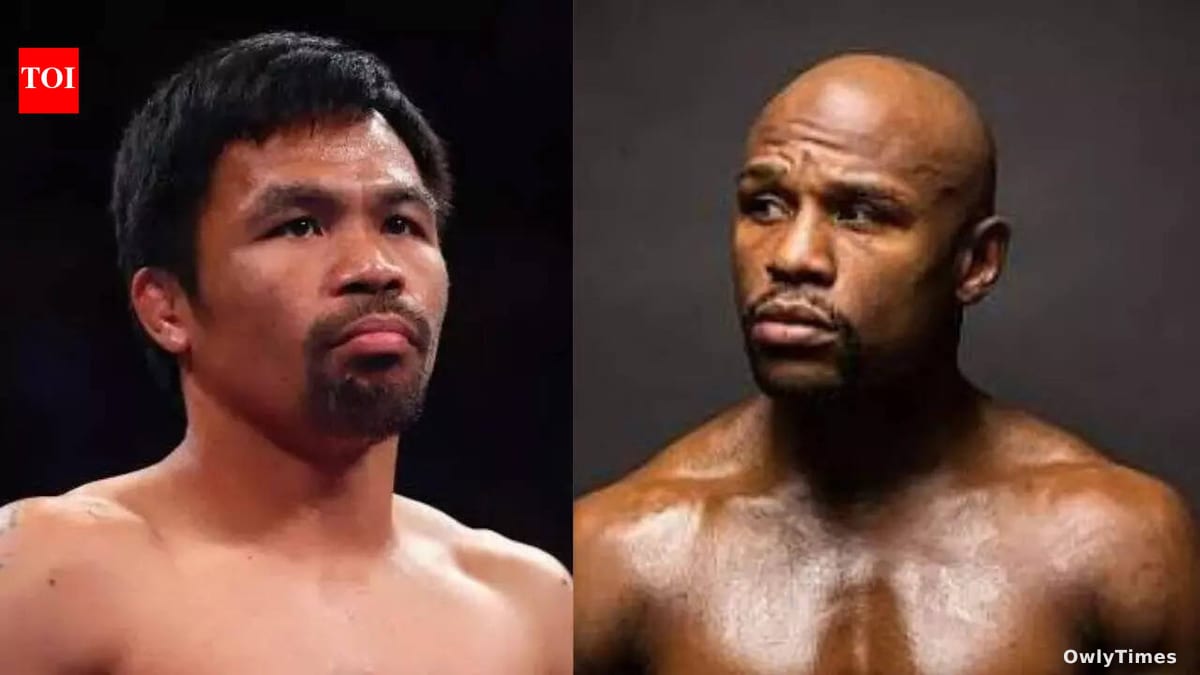

The lights of the Las Vegas Strip blurred into streaks of neon as news broke: Floyd Mayweather Jr. and Manny Pacquiao are trading gloves again. Not in some smoky backroom, not for a rumored exhibition, but in a full-blown rematch, slated for September 19th at the Sphere. It’s a scene ripped from a decade ago, yet feels utterly new, a testament to the strange alchemy of legacy, streaming wars, and the enduring pull of a rivalry that once held the sporting world hostage. This isn’t simply a fight announcement; it’s a cultural reset button, signaling boxing’s determined climb back to the top of the entertainment mountain.
The Long Road Back to the Ring
Ten years after their first encounter – a fight that generated nearly $500 million in purses – the rematch feels less like a cash grab and more like a necessary punctuation mark. The original bout, while financially colossal, left a lingering sense of dissatisfaction for many. It was hyped as the “Fight of the Century,” yet delivered a tactical, often frustrating affair that Mayweather won by unanimous decision. The debate over who really won, or who was at their best, never truly subsided. Now, with both fighters out of official retirement – Pacquiao returning to draw with Mario Barrios in 2023 – they have a chance to rewrite the narrative, or at least, to definitively own it. But the path to this moment wasn’t paved with straightforward negotiations.
Jas Mathur, the entertainment executive credited with brokering the deal, revealed to The Sun that previous attempts crumbled under the weight of complexity and too many intermediaries. “Poor presentation” and fighters being fully retired were key roadblocks. It’s a telling detail: even for two men who commanded millions per punch, ego and logistics proved formidable opponents. What changed? Pacquiao’s return, of course, reignited the competitive fire in Mayweather, but the larger shift is the landscape of sports consumption itself.
Source material: timesofindia.indiatimes.com.
The Netflix Effect and Boxing’s Rebirth
Five years ago, boxing felt…peripheral. Mixed Martial Arts, spearheaded by the UFC, dominated headlines and pay-per-view buys. Now, thanks in part to the massive investment from Saudi Arabia’s Riyadh Season – which injected much-needed capital and spectacle into the sport – boxing is experiencing a renaissance. But the real game-changer is Netflix. The streaming giant’s foray into live sports isn’t about simply broadcasting events; it’s about global accessibility and a new demographic of viewers. Mathur believes Netflix can deliver “record-breaking numbers worldwide,” potentially surpassing the 108 million who tuned in to watch Jake Paul fight Mike Tyson.
This isn’t hyperbole. Pacquiao’s immense popularity in Asia, coupled with Mayweather’s global brand recognition, creates a uniquely potent audience. Netflix isn’t just selling a fight; it’s selling access to a cultural moment, a spectacle tailored for a worldwide audience accustomed to binge-watching. The platform’s algorithm, honed over years of data collection, will be instrumental in maximizing viewership, pushing the fight to subscribers who might never have considered watching boxing before. This is a strategic move that transcends the sport itself, signaling Netflix’s ambition to become a major player in the live sports arena.
Beyond the Headlines: Legacy and the Price of Pride
The narrative being spun is one of legacy and proving a point. Both Mayweather and Pacquiao, according to Mathur, are fiercely proud of their contributions to modern boxing and want to demonstrate they can still command the biggest stages. But there’s a deeper current at play. Mayweather, despite retiring undefeated at 50-0, has always seemed driven by a need to control the narrative, to solidify his position as the greatest of all time. Pacquiao, a devout Christian and a political figure in the Philippines, carries the weight of national pride and a desire to inspire.
This rematch isn’t just about settling a score; it’s about defining their place in history, on their own terms. The fact that financial concerns were explicitly dismissed by Mathur – quashing rumors of Mayweather needing a payday – suggests a more nuanced motivation. It’s about the enduring power of rivalry, the allure of the spotlight, and the undeniable human need to prove oneself, even after achieving seemingly insurmountable success.
This fight, arriving in the age of streaming and globalized entertainment, isn’t just a spectacle. It’s a test case. Will boxing’s resurgence, fueled by Saudi investment and Netflix’s reach, be sustainable? Will this event truly break streaming records, proving the viability of live sports on the platform? And, perhaps most importantly, will the rematch finally deliver the thrilling, definitive showdown fans have craved for a decade, or will it be another tactical battle lost in the haze of hype? The world will be watching, not just for the punches thrown, but for the future of a sport desperately trying to reclaim its crown.