
Two Feet of Recovery: How Snowfall is Rewriting Cook County’s Winter Economy
A simple metric tells the whole story: Golden Eagle Lodge is “full.” After years of unpredictable winters threatening the region’s tourism backbone, over two feet of snowfall in recent weeks has triggered a demonstrable economic rebound in Cook County, Minnesota. This isn’t just anecdotal cheer from lodge owners; it’s a quantifiable shift in visitor numbers and revenue, reversing a trend of declining business activity directly linked to warmer, snow-scarce seasons. Follow the money, and it leads directly to the trails – and the wallets of visitors finally able to enjoy a “normal” winter.
Based on the original wtip.org report.
The impact is most visible along the Gunflint Trail, where businesses like Ruth Wagner’s Golden Eagle Lodge and Chris and Allison Short’s White Pine Lodge are experiencing a surge in bookings. Wagner reports activity is “busy in general,” and crucially, March reservations are now being driven by the promise of sustained ski trail conditions. This is a significant turnaround. The past three winters saw mild snowfall forcing businesses to contend with slower seasons and fewer guests – a direct correlation between weather and revenue. While specific revenue figures weren’t disclosed, the shift from reactive damage control to proactive reservation filling speaks volumes.
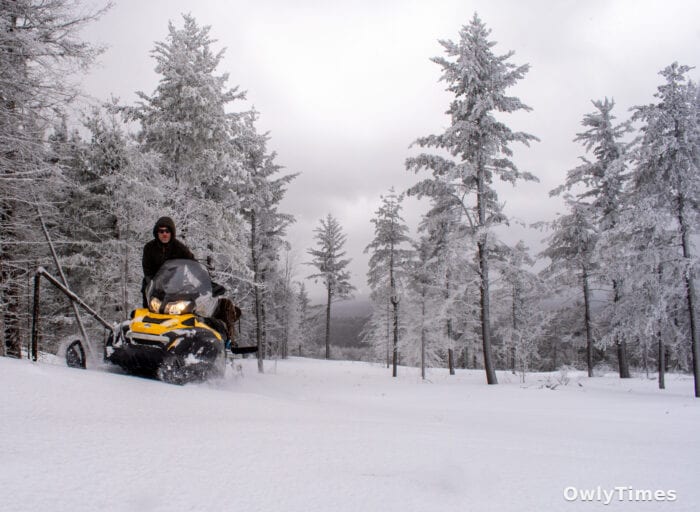
This year’s snowfall isn’t just restoring conditions; it’s exceeding expectations. The Minnesota DNR’s data confirms that the northeast region, particularly Lake and Cook County, currently boasts the best snow depth and conditions in the state. This regional advantage is drawing visitors from beyond the immediate area, as Chris O’Brien, President of the Pincushion Ski & Run Club, notes they’re seeing skiers from as far away as Michigan. This expanded geographic reach translates to increased spending on lodging, dining, and rentals – a multiplier effect benefiting the entire local economy. The Cook County Ridge Riders Snowmobile Club’s freshly groomed trails are also attracting a noticeable increase in snowmobiling activity, as reported by conservation officers Trent Anderson and Hudson Ledeen.
The economic recovery isn’t limited to lodging and recreation. Forrest Parson, owner of Hungry Jack Lodge, reports a “definite increase in business during the week” across lodging, rentals, and restaurant traffic. This is a critical point. The Gunflint Trail’s economy is heavily reliant on a holistic winter experience – not just skiing or snowmobiling, but the entire ecosystem of services that support those activities. A strong winter season means consistent revenue streams for restaurants, gas stations, and local shops, creating a more stable economic foundation. The Shorts at White Pine Lodge specifically highlighted the positive impact on both lodging and their restaurant, demonstrating this interconnectedness.
However, the current prosperity is contingent on continued snowfall. The sentiment among business owners is cautiously optimistic, with Parson expressing hope that “these conditions can keep going for another month.” This highlights a fundamental vulnerability: Cook County’s winter economy remains acutely susceptible to climate variability. While this year’s recovery is welcome, it doesn’t negate the long-term threat of increasingly unpredictable weather patterns. The question for investors and consumers alike isn’t simply whether to enjoy the current conditions, but whether this represents a temporary reprieve or a sustainable return to form. What this means for your wallet: expect higher prices and potentially limited availability for lodging and activities in Cook County if the snow holds – and be prepared for a potential return to discounted rates and fewer options if the spring thaw arrives early.