
Beyond Perks: How Mercy’s Consistent Recognition Signals a Shift in Healthcare Workforce Strategy
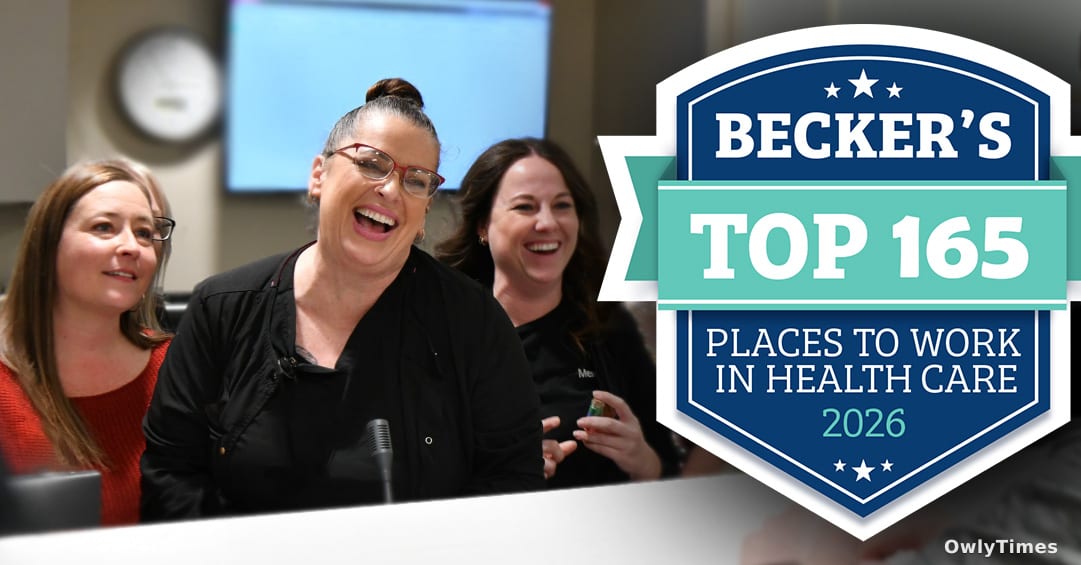
The persistent narrative surrounding healthcare is one of burnout, staffing shortages, and a looming crisis of caregiver well-being. Against this backdrop, Mercy’s fourth consecutive appearance on Becker’s 165 Top Places to Work in Healthcare list isn’t simply a feel-good story about employee satisfaction; it’s a data point suggesting a fundamental re-evaluation of what constitutes a sustainable healthcare workforce. While many organizations offer competitive salaries or signing bonuses, Mercy’s sustained success, as highlighted by Becker’s, points to a more holistic approach – one that prioritizes mission alignment, internal growth, and genuine support systems. This isn’t about foosball tables and free snacks; it’s about building a workplace where over 50,000 caregivers across five states feel valued beyond their clinical contributions.
Reporting from mercy.net informs this analysis.
Measuring “Positive Views”: The Nuance of Employee Surveys
The headline figure – 81% of Mercy caregivers reporting positive or neutral views in the most recent survey – is encouraging, but requires careful interpretation. While exceeding healthcare benchmarks is significant, the benchmark itself is crucial context. Industry averages for employee satisfaction in healthcare often hover around 65-70%, meaning Mercy is performing roughly 11-16 percentage points higher. However, “neutral” represents a substantial portion of that 81%, and further investigation into the qualitative data behind the survey would reveal the specific drivers of those neutral responses. Becker’s specifically noted Mercy’s mission as a key differentiator, but understanding how that mission translates into daily experiences for different roles – from nurses and physicians to environmental services staff – is essential. It’s also important to note that self-reported surveys are subject to response bias; those with particularly strong feelings, positive or negative, may be more likely to participate.
The Infrastructure of Support: Beyond Tuition Reimbursement
What distinguishes Mercy’s approach isn’t necessarily the existence of benefits like tuition assistance, flexible scheduling, or mental health resources – many healthcare systems offer these. It’s the breadth and integration of these supports, and the addition of less common programs like the “Mercy Works on Demand” app and both a crisis fund and a PTO donation program. These latter initiatives address the very real financial and personal emergencies that disproportionately impact healthcare workers, who often operate under intense pressure and demanding schedules. The PTO donation program, in particular, is noteworthy. It acknowledges that traditional sick leave policies don’t always cover situations like family emergencies or the need for preventative self-care, and allows colleagues to directly support one another. This fosters a sense of community and shared responsibility, which is a powerful antidote to the isolation often experienced in healthcare settings.
Career Pathways and the Retention Equation
The emphasis on internal growth, through Mercy University and mentorship programs, is arguably the most strategically important aspect of their approach. The healthcare industry faces a chronic shortage of skilled professionals, and the cost of recruiting and training new staff is substantial. Investing in existing caregivers – providing opportunities for advancement and skill development – is a far more cost-effective and sustainable solution. Becker’s highlighted this as a key factor in their decision, recognizing that a clear path for career progression not only attracts talent but also significantly improves retention rates. This is particularly critical in nursing, where experienced nurses are nearing retirement age and the pipeline of new nurses is struggling to keep pace with demand.
Looking Ahead: Measuring the Impact on Patient Outcomes
While employee satisfaction is a valuable metric, the ultimate measure of a successful healthcare organization is patient outcomes. The next crucial research step is to correlate Mercy’s workforce initiatives with measurable improvements in patient safety, quality of care, and patient satisfaction scores. Do caregivers who utilize the mental health resources or participate in mentorship programs demonstrate improved clinical performance? Does a more engaged and supported workforce translate into fewer medical errors or shorter hospital stays? Establishing this link will move the conversation beyond “happy employees” and demonstrate the tangible business case for investing in caregiver well-being. The question for other healthcare systems isn’t simply if they should emulate Mercy’s model, but how they can adapt it to their own unique contexts and measure its impact on the health of both their workforce and their communities.





