
The Fragility of Regional Lifelines: How Medicaid Cuts Threaten Minnesota’s Trauma Care
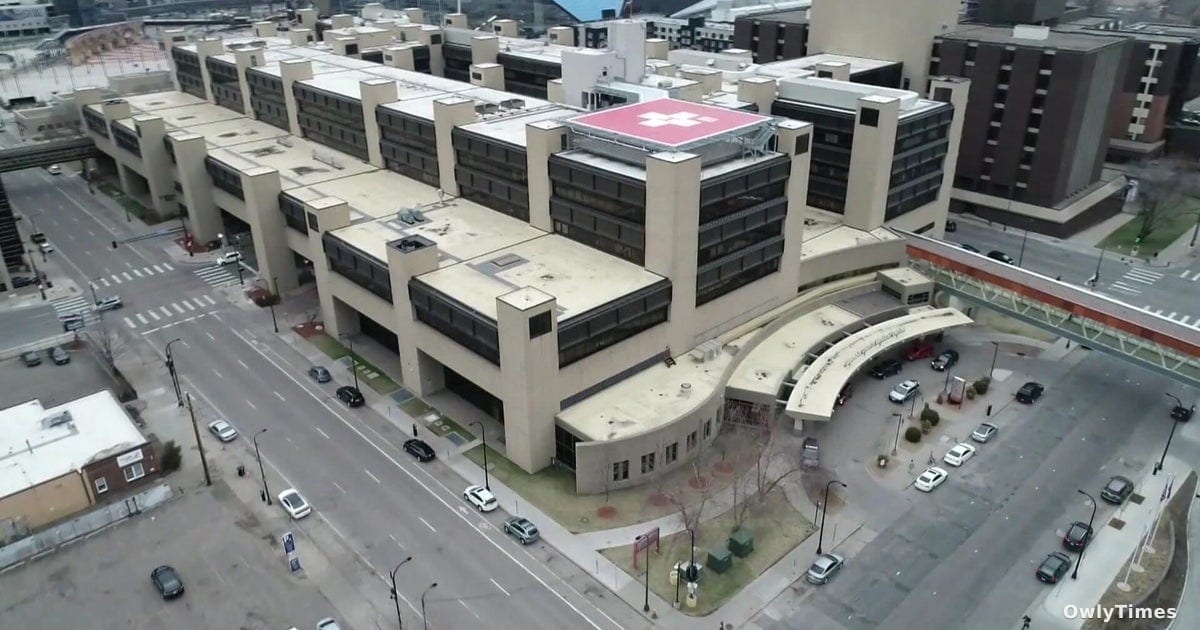
The unfolding crisis at Hennepin Healthcare (HCMC) in Minneapolis isn’t simply a hospital’s financial struggle; it’s a stark illustration of how easily specialized, high-acuity care can be destabilized, even in a state with robust healthcare infrastructure. While headlines focus on the potential closure of Minnesota’s largest level-one trauma center, the deeper issue is the precarious balance between funding models, political decisions, and the essential services communities rely on in moments of crisis. The situation at HCMC, triggered by a $1 billion cut to Medicaid funding coupled with budgetary complications, demands a closer look at the ripple effects of policy choices on access to critical care.
See the original CBS News story for the full account.
The immediate impact of the funding shortfall has been significant. HCMC has already reduced its capacity by 100 beds and eliminated five departments to mitigate losses. This isn’t a gradual scaling back; it’s a rapid contraction of resources at a facility uniquely positioned to handle the most severe medical emergencies. What’s often lost in discussions of hospital finances is the specialized expertise concentrated in level-one trauma centers. These aren’t simply hospitals with emergency rooms; they represent a concentration of surgeons, specialized nurses, and equipment capable of managing complex, life-threatening injuries. As Jeremy Olson-Elhert, a surgical care nurse and leader with the Minnesota Nurses Association, explained, “Truly, you want your life saved, [HCMC] is the place to be.” This reputation extends far beyond the Twin Cities, with clinicians in rural North Dakota recognizing HCMC as the regional destination for critical trauma care.
The narrative being presented – that cuts are being made to preserve care for the most critical patients – is a carefully constructed one, and it’s important to understand what the data actually shows. While Olson-Elhert reports that nurse-to-patient ratios haven’t yet changed, the reduction in overall bed capacity inherently limits the hospital’s ability to absorb surges in patient volume, particularly following mass casualty events or during peak seasons for specific injuries. The hospital is attempting to triage the impact, focusing on maintaining quality of care for those admitted, but the fundamental capacity to receive patients is shrinking. This isn’t a question of whether current patients are receiving adequate care, but whether future patients will even have access to that care. The proposed solution – seeking approval to use a local sales tax to cover costs – represents a shift in funding responsibility, effectively asking local taxpayers to shoulder the burden of a state-level budgetary decision.
Beyond the Bed Count: The Human Cost of Austerity
The human element of these cuts is often overshadowed by financial figures. Olson-Elhert’s description of witnessing colleagues lose their jobs – “It’s really difficult” – underscores the emotional toll on the healthcare workforce. Beyond the immediate job losses, the remaining staff face increased pressure and potential burnout as they absorb the workload previously distributed among a larger team. This is particularly concerning in trauma care, where split-second decisions and coordinated teamwork are essential. The long-term consequences of a demoralized and overworked workforce could further erode the quality of care, even if current ratios are maintained. Moreover, the loss of specialized departments isn’t simply a matter of streamlining; it represents a loss of institutional knowledge and expertise that takes years to rebuild.
Limitations to Consider: A System Under Strain
It’s crucial to acknowledge the limitations of drawing broad conclusions from a single case study. While HCMC’s situation is dire, it may not be entirely representative of all hospitals facing Medicaid cuts. Some facilities may have greater financial reserves or alternative revenue streams. However, HCMC’s status as a safety-net hospital – serving a disproportionately large number of low-income and uninsured patients – makes it particularly vulnerable to fluctuations in public funding. The hospital’s reliance on Medicaid reimbursement means it’s directly exposed to the consequences of state-level budgetary decisions. Furthermore, the current situation highlights a broader systemic issue: the increasing financial pressures facing hospitals nationwide, driven by rising costs, declining reimbursement rates, and an aging population.
What Happens If the Sales Tax Fails?
The outcome of the legislative vote on the proposed sales tax is pivotal. If approved, it would provide a temporary reprieve for HCMC, allowing it to stabilize its finances and maintain its current level of service. However, relying on a local sales tax as a long-term funding solution is unsustainable and raises questions about equity and access. If the sales tax fails, the hospital faces the very real possibility of closure, or a drastic reduction in services that would effectively eliminate its role as a regional trauma center. The question Minnesotans should be asking now isn’t simply if HCMC will survive, but where will patients needing the highest level of trauma care go if it doesn’t? Will rural emergency rooms be forced to stabilize and transfer patients over greater distances, potentially delaying critical interventions? Will the burden fall on other already-strained hospitals in the Twin Cities metro area? The answers to these questions will define the future of trauma care access in Minnesota for years to come.





