
Beyond the Headlines: Assessing the Real Impact of the UMMC Ransomware Attack
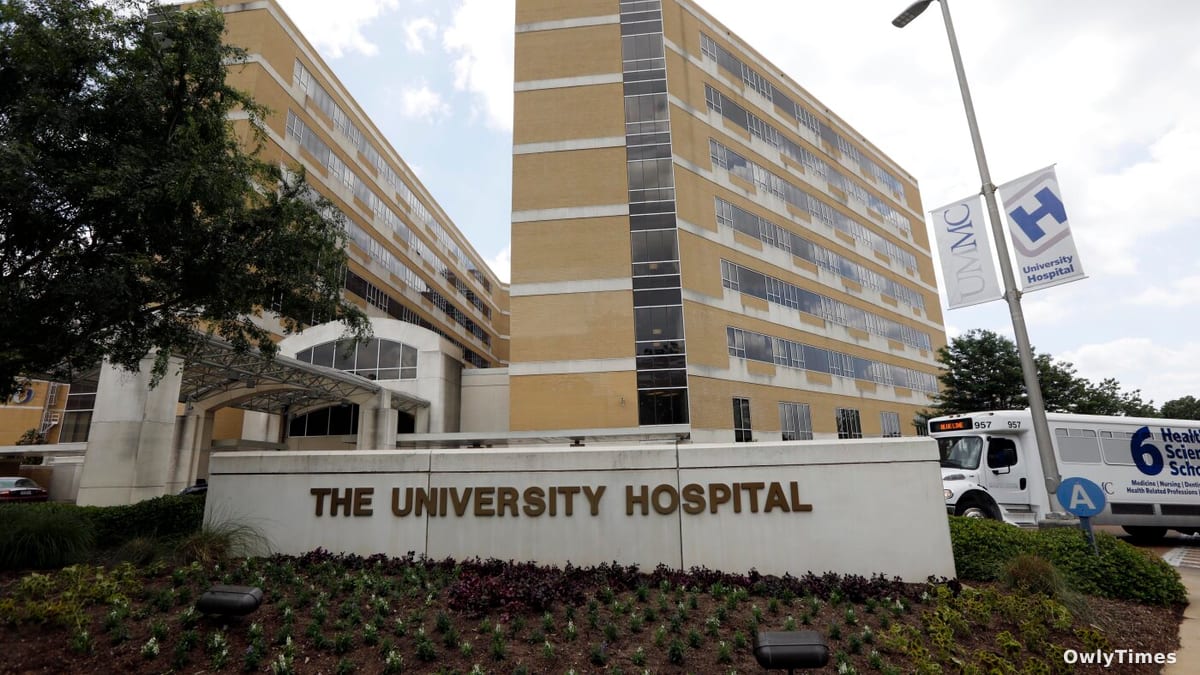
The immediate reports from Jackson, Mississippi, paint a stark picture: the University of Mississippi Medical Center (UMMC) has effectively paused non-emergency care across its 35 clinics following a significant ransomware attack. However, framing this as simply an “IT issue” drastically underestimates the cascading consequences for patient access, data security, and the broader vulnerability of healthcare infrastructure. This isn’t about slow computers; it’s about a deliberate disruption of a system designed to deliver critical services, and the speed of recovery will determine the true cost. While initial statements from LouAnn Woodward, UMMC vice chancellor for health affairs, focus on “stopping the bleeding,” the deeper question is whether the damage extends beyond immediate operational disruption to compromise patient data and erode public trust.
See the original NPR story for the full account.
The attack, launched on Thursday, targeted UMMC’s core systems, including the widely-used electronic health record platform Epic and the overall IT network. This isn’t a novel scenario. Healthcare organizations are increasingly targeted by ransomware groups, who recognize the high stakes – lives depend on access to information – and are willing to demand substantial payouts. What distinguishes this case is the scale of the disruption. Shutting down all 35 clinics, cancelling appointments including vital treatments like chemotherapy and elective procedures, represents a systemic shutdown, not a localized problem. The decision to revert to paper documentation for ongoing care, while a necessary stopgap, introduces its own risks: potential for errors, delays in information sharing, and challenges in long-term data management. It’s a return to a less efficient, and potentially less safe, mode of operation.
The immediate priority, as articulated by Robert Eikhoff, the FBI special agent in charge of the Jackson field office, is system restoration. The FBI is “surging resources” to assist UMMC and its vendors in understanding the attack’s scope. However, the nature of ransomware makes a full assessment complex. The attackers have already communicated with hospital officials, a common tactic to negotiate ransom demands. While Woodward’s statement – “The bad guys won’t keep us down” – conveys a determined spirit, it doesn’t address the fundamental question of whether a ransom will be paid, or even if paying a ransom guarantees data recovery. In fact, even after payment, there’s no assurance that stolen data won’t be leaked or sold on the dark web. The average ransom payment in healthcare rose to over $200,000 in 2021, according to a report by Sophos, a cybersecurity firm, and that figure is likely higher now.
The Fragility of Digital Healthcare Records
This incident underscores a critical tension within modern healthcare: the increasing reliance on digital systems versus the inherent vulnerabilities of those systems. Epic, while a powerful tool for managing patient information, becomes a single point of failure when compromised. The promise of electronic health records was seamless information sharing and improved care coordination. However, that promise is contingent on robust cybersecurity measures, and the UMMC attack demonstrates a clear gap in those defenses. It’s also important to note that UMMC isn’t an isolated case. A 2023 report by the Department of Health and Human Services found a 93% increase in large breaches of healthcare data reported to the Office for Civil Rights between 2018 and 2022. This isn’t a future threat; it’s a present reality.
Limitations to Consider
It’s crucial to approach the available information with caution. While UMMC has been transparent about the clinic closures and system outages, the full extent of the data breach remains unknown. The statement that the “scope of the intrusion is still not fully understood” is a critical admission. Determining whether patient data was accessed, copied, or encrypted will take time and require a thorough forensic investigation. Furthermore, the long-term impact on patient trust is difficult to quantify. Individuals may be hesitant to share sensitive health information if they fear it could be compromised in future attacks. The reliance on paper records, while temporary, also introduces potential for human error and delays in care.
What Comes Next: A Call for Proactive Investment
The immediate next steps involve restoring UMMC’s systems and conducting a comprehensive security audit. However, this incident should serve as a wake-up call for healthcare organizations nationwide. Reactive measures – responding to attacks after they occur – are insufficient. Proactive investment in cybersecurity infrastructure, employee training, and robust data backup systems is essential. Beyond individual institutions, a coordinated national strategy is needed to share threat intelligence and establish common security standards. The question now isn’t simply when UMMC will be “back up and running full steam ahead,” but whether this attack will spur meaningful change in how we protect the integrity and security of our healthcare systems. Watch for legislative debates regarding mandatory cybersecurity standards for healthcare providers and increased federal funding for cybersecurity initiatives in the coming months. The future of patient care may depend on it.