
The hum of the broadcast booth, the frantic energy of a live game, the split-second decisions that determine whether millions see a perfect play or a technical glitch – these are the moments Marc Herklotz dedicated his life to perfecting, not as the face of the broadcast, but as its invisible architect. In December 2025, that dedication was recognized with induction into the Sports Broadcasting Hall of Fame, a testament to a career spent ensuring the seamless delivery of America’s sporting obsessions. But Herklotz’s story isn’t just about technical prowess; it’s a quiet revolution happening behind the camera, a shift in how we value the people who make the spectacle possible, and a reflection of a changing media landscape where the “how” is becoming as important as the “what.”
From Morehead to Monday Night: Building the Foundation
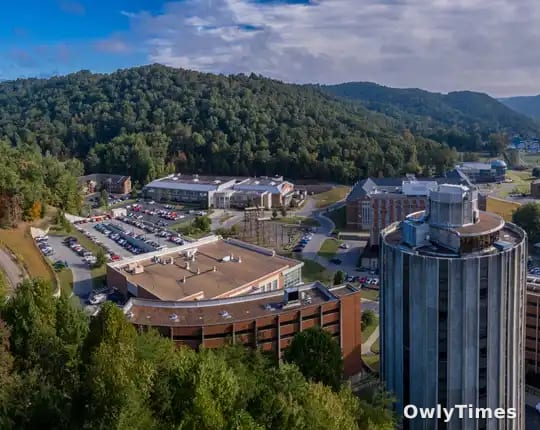
Herklotz, a 1981 graduate of Morehead State University, didn’t chase the spotlight. While classmates might have dreamed of calling plays or interviewing athletes, he found his passion in the intricate world of broadcast engineering. This wasn’t a path often celebrated, especially in the early 80s when the on-air personality reigned supreme. Yet, his choice speaks to a growing, though often unacknowledged, truth: sports broadcasting isn’t just about charismatic commentators; it’s a massively complex technical undertaking. A single Monday Night Football broadcast now relies on dozens of cameras, sophisticated audio systems, instant replay technology, and a team of engineers working in concert to deliver a flawless experience. In 1983, the average cost of a 30-second Super Bowl ad was $575,000; today, it’s over $7 million. That exponential increase in investment demands an equally exponential increase in technical expertise, and Herklotz was at the forefront of that evolution.
Based on the original moreheadstate.edu report.
The Unsung Heroes of ESPN’s Empire
For over three decades, Herklotz worked within the sprawling ecosystem of ESPN, a network that fundamentally reshaped how Americans consume sports. His fingerprints are all over some of the network’s most iconic events: Sunday Night Baseball, Monday Night Football, and the electrifying Home Run Derby. He wasn’t selecting the camera angles for dramatic effect, but he was ensuring those angles could be captured, transmitted, and displayed with crystal clarity. He wasn’t choosing the microphones, but he was guaranteeing the sound was pristine, capturing the roar of the crowd and the crack of the bat. This work, while vital, often goes unnoticed by the casual viewer, a fact that highlights a broader cultural tendency to prioritize the visible over the foundational. Consider the recent surge in popularity of behind-the-scenes documentaries – from Formula 1’s Drive to Survive to the NFL’s Hard Knocks – which reveal the immense effort required to stage these events. The appetite for this content suggests a growing awareness of the unseen labor that fuels our entertainment.
A Hall of Fame Nod Reflects a Shifting Industry
The Sports Broadcasting Hall of Fame, established in 1989, historically favored on-air talent. While legendary commentators and play-by-play announcers rightfully occupy its halls, the inclusion of Herklotz signals a deliberate broadening of the definition of “sports broadcasting excellence.” In 2020, only 8% of Hall of Fame inductees were primarily involved in technical roles, a figure that’s steadily climbing as the industry acknowledges the increasing importance of technology. This isn’t simply about giving credit where credit is due; it’s about attracting the next generation of talent. The sports broadcasting industry is facing a critical skills gap, particularly in areas like virtual production, data analytics, and cybersecurity. Young people are less likely to pursue careers they perceive as invisible or undervalued. Recognizing the contributions of individuals like Herklotz is a crucial step in elevating the status of these essential roles.
What’s Next for the Invisible Infrastructure?
Marc Herklotz’s induction isn’t just a celebration of a distinguished career; it’s a bellwether for the future of sports broadcasting. As streaming services continue to disrupt the traditional television model, and as technologies like augmented reality and virtual reality become increasingly integrated into the viewing experience, the demand for skilled technical professionals will only intensify. The question now is whether the industry will continue to prioritize the visible stars, or will it invest in the infrastructure – and the people who build it – that makes the spectacle possible? Will future Hall of Fame classes reflect a more equitable representation of all the roles that contribute to the magic of live sports? The answer will determine not only the quality of our viewing experience, but also the sustainability of the industry itself.