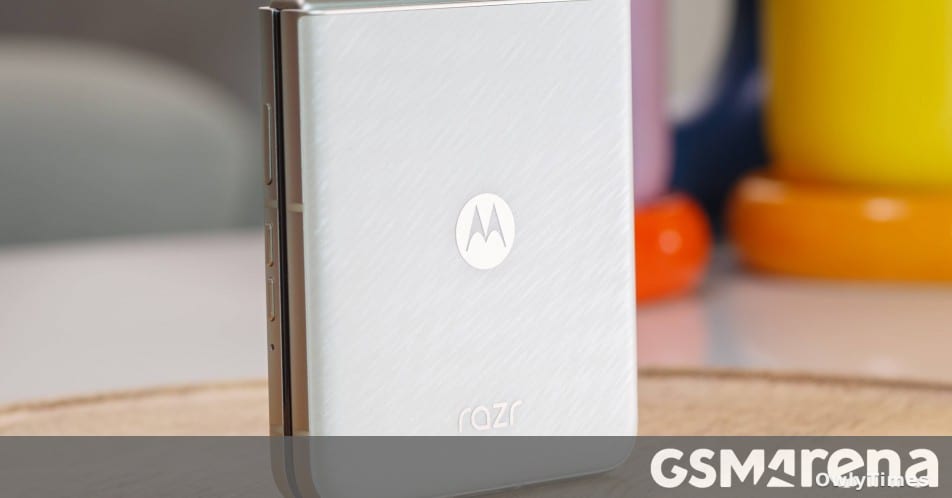

Is your foldable phone already feeling…vintage? Motorola is finally pushing Android 16 to its Razr 2025 and Razr Ultra 2025 (or Razr 60 and Razr 60 Ultra for those keeping up with the global naming chaos), but let’s be clear: this isn’t a triumph of speedy software delivery. It’s a stark reminder of how quickly even premium tech becomes yesterday’s news, and the frustrating lag time many users face when manufacturers treat software updates as an afterthought. The real story here isn't a new Android version arriving – it's the widening gap between Google’s software innovation and the actual experience for millions of Android phone owners.
Google released Android 16 way back in June of last year. That’s not a typo. While tech blogs were dissecting the first beta of Android 17 just days before this update landed, a significant chunk of Motorola’s foldable user base was still running on older software. This isn’t about demanding bleeding-edge features; it’s about security patches, bug fixes, and the basic expectation that a $1,300 (original MSRP for the Ultra) device will be supported for a reasonable period. The update, rolling out in stages to T-Mobile and Verizon customers, carries build numbers W1UC36H.96-35-1 for the Razr and W1VL36H.59-55-5 for the Razr Ultra. Those numbers, frankly, feel less like progress indicators and more like tracking codes in a slow-motion race.
The 4GB download size is a practical detail – download on Wi-Fi, people – but it also highlights the scope of these updates. They aren’t just cosmetic tweaks; they’re substantial overhauls of the operating system. And that’s precisely why the delay is so concerning. Each month of delayed updates leaves devices vulnerable to exploits and diminishes the overall user experience. Consider this: the average smartphone user isn’t thinking about Android versions or build numbers. They just want their phone to work, securely and reliably.
Based on the original gsmarena.com report.
This situation with Motorola isn’t unique. It’s a symptom of a larger problem within the Android ecosystem. Samsung has made strides in offering longer software support, but many other manufacturers still treat updates as a cost center rather than a core part of the product experience. This creates a fragmented landscape where some users are enjoying the latest features and security enhancements while others are left behind, effectively stuck with outdated hardware and software. The foldable market, in particular, feels precarious. These devices are inherently more complex, and require more diligent software support to justify their premium price tags.
The implications extend beyond individual frustration. Delayed updates contribute to e-waste, as users are more likely to replace devices that feel slow or insecure. They also stifle innovation, as developers are forced to cater to a wider range of Android versions, slowing down the adoption of new technologies. The promise of foldable phones – a seamless blend of portability and productivity – is undermined when the software experience lags behind.
Looking ahead, I predict we’ll see increased regulatory pressure on smartphone manufacturers to guarantee a minimum number of years of software support. The EU is already leading the charge on this front, and the US may follow suit. But ultimately, the real change will come when manufacturers realize that consistent, timely software updates aren’t just a nice-to-have feature – they’re a fundamental expectation of modern smartphone ownership. Watch for a surge in consumer advocacy groups demanding “software bills of rights” for mobile devices. The question isn’t if this will happen, but when enough users demand better and force the industry to respond.