
Why are we still obsessed with the idea that our phones need to be smarter, when the real problem is that they’re already cluttering our lives with digital noise? Every year, manufacturers pitch us on the "next big thing" in mobile AI, usually framing it as a way to unlock hidden productivity. But the latest move by Motorola with their 2026 flip-style Razr lineup suggests that Silicon Valley has finally stopped pretending that AI is for building better spreadsheets and has pivoted to something far more intimate: organizing your closet.
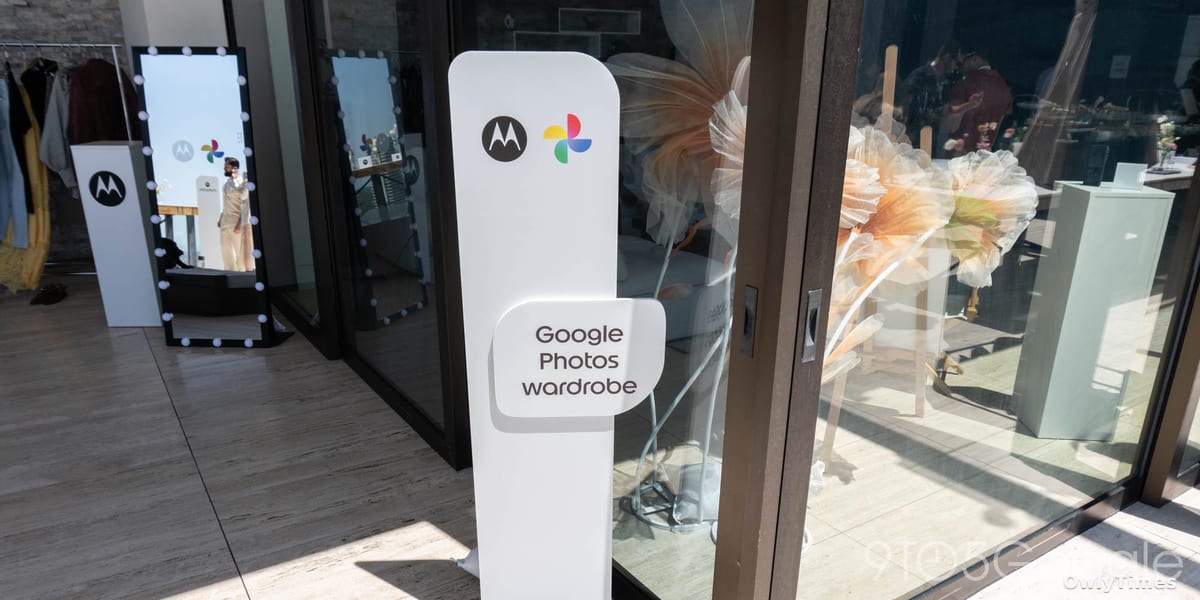
The real story here isn't that Motorola is leaning into AI—it’s that they are turning your private photo gallery into a retail catalog for your own belongings. By introducing a feature called Wardrobe, Motorola and Google Photos are essentially automating the role of a personal stylist. The system scans your existing library, strips away the background, and isolates your clothing items into "clean, snapshot images." It then lets you mix and match these digital assets on a virtual avatar, mimicking the virtual try-on technology we’ve seen in standard Google Search.
Think of this like having a digital ghost of your own closet that follows you everywhere. For the average user, this sounds like a clever way to solve the "I have nothing to wear" dilemma, but it highlights a massive shift in how we interact with our personal data. We are no longer just storing memories; we are training models to treat our lived experiences as a database of inventory. When this rolls out this summer, we’ll see if people actually want their phones to act as a digital mannequin, or if this is just another layer of UI friction that we’ll eventually learn to ignore.
The Convergence of Memory and Utility
Motorola is also betting that you want your phone to feed you information before you even ask for it. By pushing the Memories carousel—the same one that sits at the top of your Google Photos app—into the Daily Drops "personalized content feed," they are trying to blur the line between a digital album and a dashboard. This feed, which refreshes twice a day, bundles these personal photos with headlines, weather, and calendar alerts.
It’s an aggressive attempt to make the "personalized content feed" the center of the mobile experience. Motorola claims this is the first time such an integration has appeared on a mobile device, effectively turning your phone’s cover screen into a curated stream of your own life mixed with the rest of the world’s updates. If the Android Live Update notifications on the cover screen are any indication, the goal is to keep you interacting with the hardware without ever needing to fully "open" the device.
Why Your Privacy Settings Matter More Than Ever
When we talk about AI-powered wardrobe organizers, we often gloss over the cost of the convenience. To make "Wardrobe" function, you’re essentially inviting a machine learning algorithm to perform a granular audit of your appearance across years of photographs. You aren't just uploading selfies; you’re providing data points on what you wear, how often you wear it, and how your style changes over time.
For the average consumer, this is a trade-off between the friction of manual organization and the ease of automated sorting. We are moving toward a future where our devices don't just hold our photos—they analyze our aesthetic choices to "inspire" us. Whether this creates genuine value or just another layer of digital consumption will depend on how intrusive the "Create" button feels in practice.
The true test for this technology will be the adoption rate of the "Wardrobe" feature once it moves from Android to iOS later this year. The next reading of the engagement metrics for the "Collections" tab will show whether users actually want their gallery app to double as a fashion consultant, or if they prefer their photos to remain just that—memories, not inventory.