
The Fragile Archaeology of Early Fandom
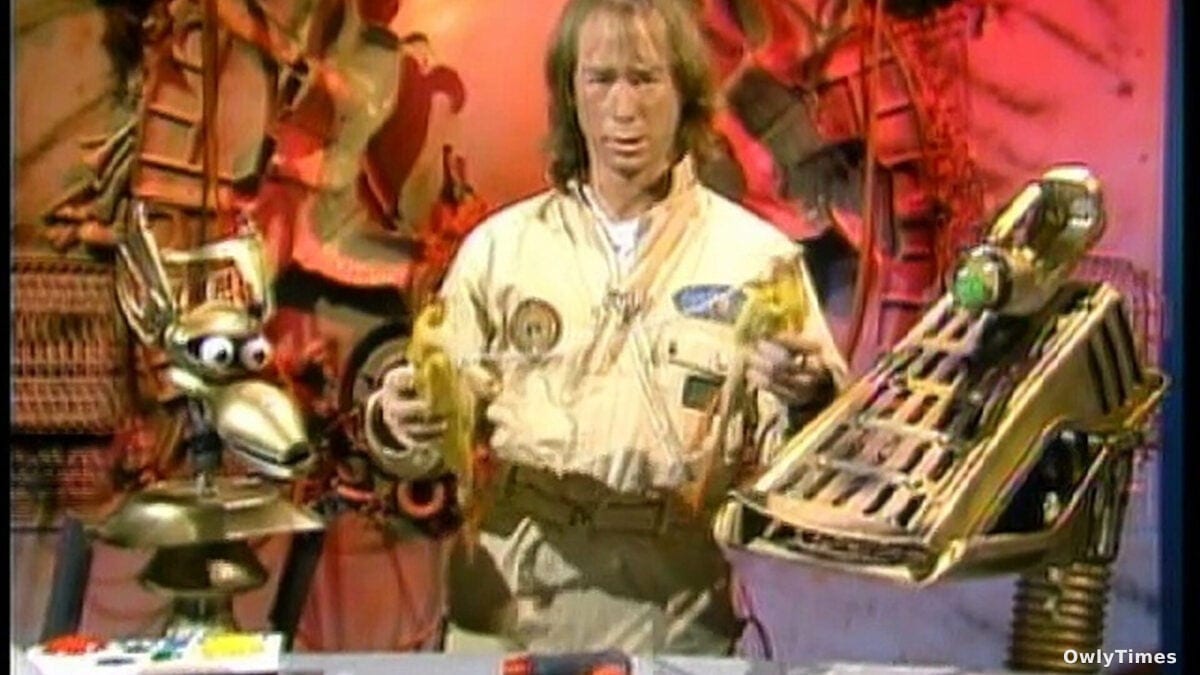
The rediscovery of a lost episode of Mystery Science Theater 3000 (MST3K) isn’t simply a nostalgic win for fans; it’s a case study in the precarious preservation of early digital culture and the evolving relationship between creators and their audience. The episode, designated K03 and known as Star Force: Alien Fugitive II, surfaced recently via a YouTube upload after a fan unearthed a digitized recording at a Minneapolis garage sale. While headlines celebrate the “lost” episode, the story reveals a more nuanced reality: this wasn’t a deliberate erasure, but a consequence of shifting legal landscapes, creative evolution, and the limitations of recording technology in 1988. Understanding how this episode was lost – and then found – speaks volumes about the challenges of archiving media before widespread digital distribution.
The KTMA era of MST3K, broadcast on a local Minnesota indie station, represents the show’s formative period. K03, airing as the third or fourth episode depending on whether the unaired pilot is included, was constructed from segments of the Japanese sci-fi series Star Wolf. This practice of compiling existing footage was common due to budgetary constraints, a detail often glossed over in celebratory coverage. What’s crucial to understand is that Joel Hodgson and his team didn’t actively hide these early episodes; they simply lacked full legal rights to all the KTMA material, and, as noted in reports, weren’t particularly enthusiastic about revisiting what they considered rough drafts of their now-iconic format. This isn’t uncommon for artists – many revisit early work with critical eyes, and the practicalities of rights management often dictate what remains accessible.
A Matter of Rights and Refinement
The situation with K03 highlights a tension inherent in creative ownership. While fans understandably desire access to all iterations of a beloved work, creators have legitimate reasons to curate their legacy. In this case, the lack of complete legal control over the source material – Star Wolf – complicated preservation efforts. This contrasts sharply with the recent restoration of lost Doctor Who episodes from 1965, a project funded by dedicated fan communities and facilitated by the BBC’s willingness to collaborate. The Doctor Who restorations involved painstakingly reconstructing episodes from audio recordings and surviving film clips, a process requiring significant resources and institutional support. K03, by contrast, benefited from a serendipitous find by an individual fan, a testament to the power of grassroots archiving.
Drawn from gizmodo.com.
The quality of the recovered episode is, predictably, lower than later MST3K installments. Commenters online acknowledge the “rough spots,” a polite way of saying the early episodes haven’t aged as gracefully as the show’s later, more polished work. This isn’t a criticism, but an observation. The show was actively developing its voice, its comedic timing, and its technical capabilities. To expect the sophistication of a 1990s-era episode from a 1988 broadcast is unrealistic. The value of K03 lies not in its artistic merit, but in its historical significance – it’s a snapshot of a creative process in motion.
Limitations to Consider
It’s important to temper excitement with a realistic assessment of the find. This single episode doesn’t suddenly unlock a treasure trove of lost MST3K content. The legal hurdles and the creators’ own reservations about the KTMA material likely remain. Furthermore, the quality of other potentially existing recordings may vary significantly. The fact that this episode survived at all is remarkable, but it doesn’t guarantee the preservation of others. The digitization process itself introduces potential artifacts and distortions, meaning this version of K03 isn’t a pristine recreation of the original broadcast, but an interpretation of it.
Looking ahead, the continued success of MST3K through platforms like RiffTrax – with four new episodes funded via Kickstarter slated for release this year – demonstrates the enduring appeal of the riffing format. However, this renewed production doesn’t negate the importance of preserving the show’s history. The discovery of K03 should prompt a broader conversation about archiving early digital media, particularly content created outside of mainstream distribution channels. Will fans continue to rely on chance discoveries in garage sales, or will more systematic efforts be made to locate and preserve these cultural artifacts? The question isn’t just about MST3K; it’s about ensuring that the early days of internet and independent television aren’t lost to time, accessible only as fragmented memories.