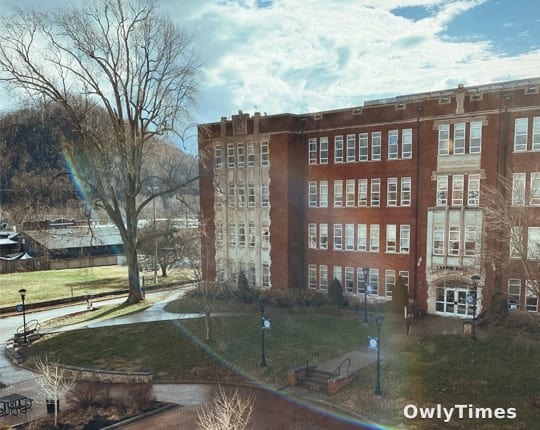

The quiet transitions of leadership within universities often belie a deeper story about the evolving priorities of higher education, particularly in STEM fields. Morehead State University’s (MSU) selection of Steve Fenster as the next dean of its College of Science & Engineering isn’t simply a personnel change; it signals a deliberate focus on sustained student success within the sciences, a metric increasingly tied to regional economic development and national competitiveness. While announcements often highlight experience, the emphasis on Fenster’s two-decade record of student success – not just research output or administrative prowess – is a noteworthy shift, and one that deserves closer examination.
A Legacy of Student-Focused Leadership
Steve Fenster currently serves as dean of the School of Arts and Sciences at Fort Lewis College in Durango, Colorado, a position he’s held since 2018. Prior to that, his career spanned various roles at institutions including Indiana University-Purdue University Indianapolis, where he was a professor of biology and served in multiple administrative capacities. What distinguishes Fenster’s resume isn’t the accumulation of titles, but the consistent thread of initiatives designed to directly improve the undergraduate experience. At Fort Lewis, for example, he spearheaded efforts to increase access to undergraduate research opportunities and bolster STEM-focused advising – programs demonstrably linked to higher retention rates and improved graduation outcomes. These aren’t incidental benefits; in a landscape where college enrollment is declining nationally, and particularly in STEM fields for first-generation students, retaining and graduating students is paramount. The current national four-year graduation rate hovers around 60%, meaning nearly half of students don’t finish their degrees, a statistic MSU will likely be hoping Fenster can improve upon.
Source material: moreheadstate.edu.
Filling a Significant Void: The Zargari Era
Fenster will succeed Ahmad Zargari, who is retiring on June 30th after a tenure that, while not detailed in the university’s announcement, undoubtedly shaped the College of Science & Engineering. The absence of specific accomplishments attributed to Dr. Zargari in the press release is not necessarily a criticism, but it does highlight the university’s intention to signal a new direction. Often, these transitions are framed as “building upon a strong foundation,” but the focus on Fenster’s student-centric approach suggests a more deliberate recalibration. It’s important to note that the role of a dean extends beyond academic leadership; it involves fundraising, community engagement, and navigating complex budgetary constraints. Successfully balancing these demands while prioritizing student success will be Fenster’s primary challenge.
Beyond the Announcement: Regional Implications
Morehead State University is a critical anchor institution for the surrounding region of Eastern Kentucky, an area facing significant economic challenges. The College of Science & Engineering plays a vital role in preparing a workforce equipped for the demands of the 21st-century economy. Kentucky’s STEM workforce participation rate is currently 4.9%, below the national average of 6.1%, according to the Kentucky Science and Technology Corporation. This gap underscores the urgency of strengthening STEM education and ensuring graduates are prepared for high-demand jobs. Fenster’s experience in fostering undergraduate research and experiential learning opportunities is particularly relevant in this context. These programs not only enhance student skills but also create pathways for local businesses to access a pipeline of qualified talent. The university’s stated goal of fostering student success isn’t simply an academic aspiration; it’s an economic imperative for the region.
What Questions Remain for MSU’s Future?
While the appointment of Steve Fenster is a positive step, several questions remain. How will MSU support Fenster’s vision with adequate resources, particularly in light of ongoing budgetary pressures facing higher education? Will the university prioritize investments in infrastructure and faculty development to enhance undergraduate research opportunities? And crucially, how will MSU measure the success of these initiatives – not just in terms of graduation rates, but also in terms of the career trajectories of its graduates and their contributions to the regional economy? Prospective students and their families, as well as local employers, should be watching for concrete plans outlining these strategies in the coming months. The true measure of this leadership transition won’t be found in the announcement itself, but in the tangible outcomes it produces for MSU students and the broader community. To learn more about programs in MSU’s College of Science & Engineering, you can email [email protected] or call 606-783-2626.





