
80% – that’s the proportion of the Cape Cod economy that went “dark” during last Monday’s blizzard, a figure that underscores a systemic vulnerability far beyond temporary inconvenience. The outage, impacting 153,000 residents at its peak, isn’t simply a weather event; it’s a financial stress test revealing a critical infrastructure flaw and a widening gap between the Cape’s economic engine and its resilience. Paul Neidzwiecki, CEO of the Cape Cod Chamber of Commerce, is framing the issue not as a matter of if the grid should be upgraded, but how quickly, and the financial implications are substantial.
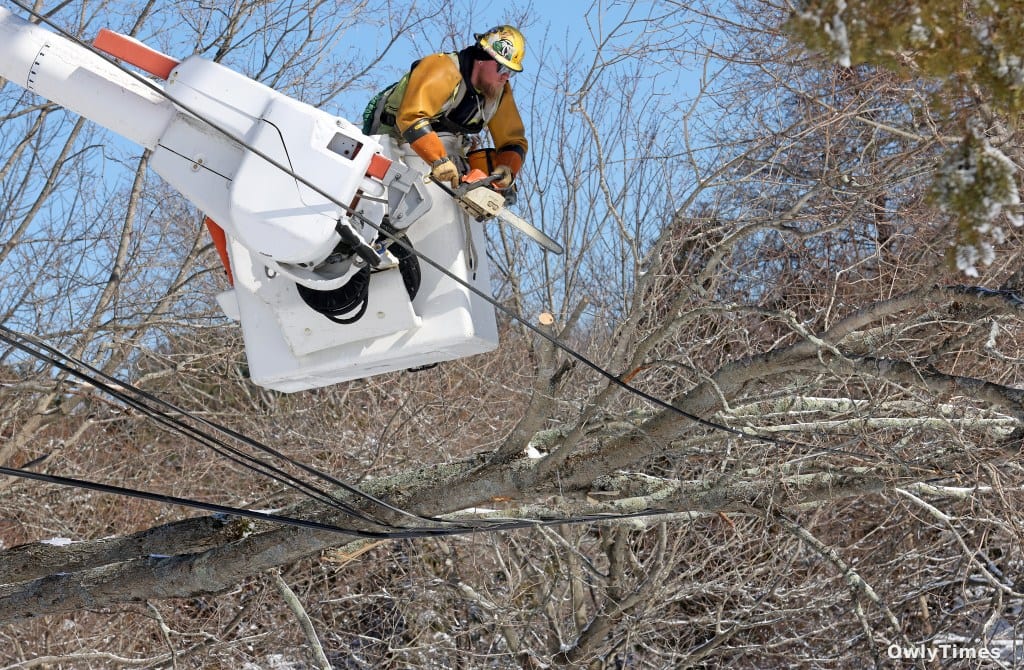
Neidzwiecki’s call for a phased undergrounding of the electrical grid, coupled with a regional resilience task force, isn’t a new idea, but it’s gaining traction precisely because the economic cost of inaction is becoming increasingly clear. The Cape Cod economy generates $2.9 billion in annual visitor spending, supporting over 14,000 jobs. But that revenue stream is predicated on accessibility and functionality – both of which evaporate when the power grid fails. The Chamber’s assessment that the outages were “predictable,” stemming from “downed limbs and overhead lines,” isn’t a criticism of Eversource’s response, but a diagnosis of a fundamentally exposed system. The company’s crews, bolstered by out-of-state support, repaired 175 broken poles and “dozens of miles” of downed lines, a reactive effort that highlights the scale of the problem.
The financial history of addressing this problem is a sobering one. Back in 1998, officials estimated undergrounding 2,900 miles of lines would cost $2.2 billion. More recently, in 2015, Eversource quoted the town of Orleans $3 million per mile for a localized project. These figures, while separated by decades, demonstrate a consistent and escalating price tag. The question isn’t simply whether the Cape can afford to bury the lines, but whether it can afford not to, given the economic disruption and the increasing frequency of severe weather events. This is particularly acute for vulnerable populations – seniors on fixed incomes, residents reliant on medical equipment – who bear the brunt of prolonged outages.
Source material: bostonherald.com.
The debate isn’t solely about cost, however. David Churbuck, a Cotuit resident, points to the existing burden of “tacked-on subsidies” inflating utility bills, raising concerns about further rate increases to fund infrastructure projects. His suggestion of mandating undergrounding during routine roadwork offers a more incremental, and potentially palatable, approach. This highlights a tension between large-scale, transformative solutions and smaller, more manageable improvements. The current system incentivizes patching the existing grid rather than proactively investing in long-term resilience. Gina Stewart, a Hyannis resident, underscores the need for preventative measures, noting that three days without power for herself and four for her elderly relatives was a foreseeable consequence of the region’s vulnerability.
The lack of immediate response from State Sen. Julian Cyr to inquiries about the situation is notable, particularly given the economic significance of Cape Cod. While Governor Maura Healey lifted the state of emergency and praised the collaborative response, the underlying infrastructure issue remains unaddressed. The Barnstable County Regional Emergency Committee’s activation of six shelters and 14 warming centers demonstrates the immediate need for community support during these events, but these are emergency measures, not preventative solutions. Kelly Collopy, of Barnstable’s Department of Public Works, detailed the “insane effort” required simply to clear roads, hampered by the sheer volume of downed trees. This reactive posture is unsustainable.
What this means for your wallet: expect continued pressure on utility rates as the debate over grid resilience intensifies. The immediate question isn’t if rates will rise, but how – through large-scale infrastructure projects funded by ratepayers, or through a series of smaller, incremental improvements. Investors should watch for policy shifts regarding infrastructure funding and the prioritization of grid resilience in coastal communities. Consumers should prepare for the possibility of increased energy costs and advocate for proactive solutions that minimize future disruptions. The critical scenario to watch for is whether the state will treat the Cape’s electrical grid with the same urgency and investment as its vital transportation infrastructure – the bridges that connect the region to the mainland.