
A Delicate Balance: Nantucket’s Water Quality Debate and the Future of Development
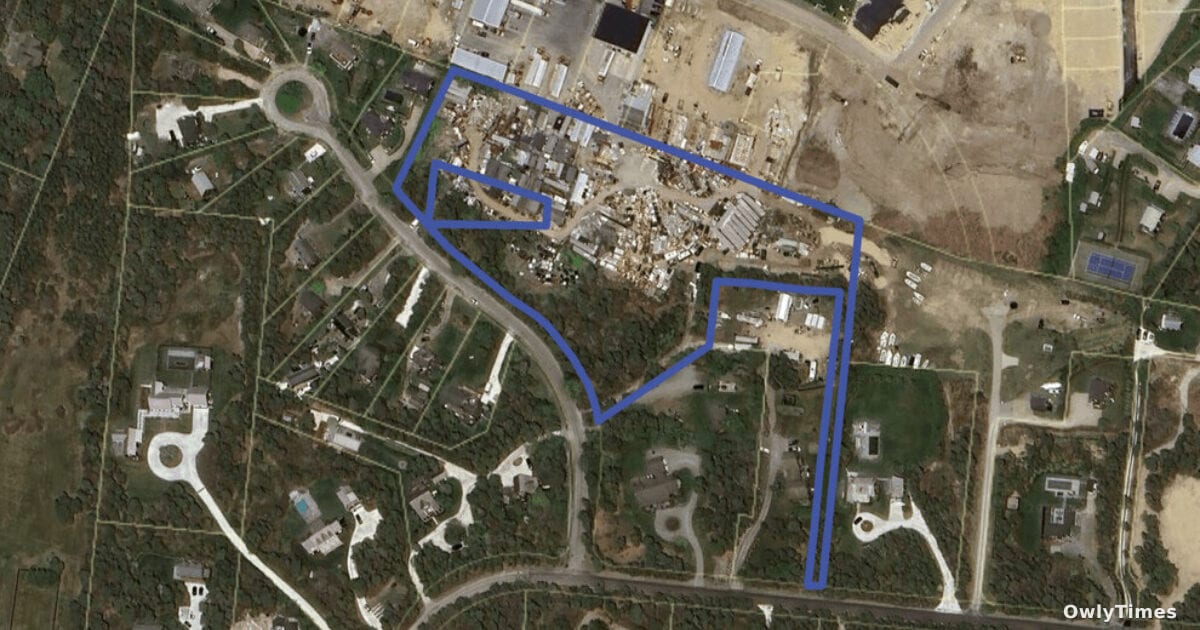
The approval of septic systems for a proposed elder housing complex at 13 Woodland Drive isn’t simply a local zoning matter; it’s a microcosm of a much larger, and increasingly urgent, debate unfolding on Nantucket Island. The Board of Health’s decision – granting permission for up to 19 bedrooms, but restricting the development to 12 buildings and specifically designating it for elder housing – highlights a growing tension between protecting the island’s fragile water resources and accommodating the pressing need for housing, particularly for its aging population. While often framed as a conflict between environmental protection and economic growth, the situation is more nuanced: it’s about a re-evaluation of long-held assumptions regarding wastewater management and a shifting understanding of what constitutes a true environmental benefit.
For decades, Nantucket has utilized a system of “nitrogen loading credits” to balance development with water quality. These credits allowed property owners to exceed standard bedroom limits on a lot if they installed innovative/alternative (IA) septic systems, believed to be more effective at removing nitrogen – a key pollutant – from wastewater. The logic was straightforward: a more advanced system could offset the increased load from additional bedrooms, potentially even resulting in a net environmental gain. However, recent concerns raised by some members of the Board of Health, including Kerry McKenna, suggest this calculation may no longer hold true. “We are really looking at how to maintain water quality, because we are seeing incursions,” McKenna stated, referencing observed pollution impacting the island’s aquifer. This isn’t merely an abstract environmental concern; nitrogen contamination in drinking water is linked to serious health problems, including cancer.
The approval for Stephen Maury’s property represents the last application processed under the old system before the board instituted a moratorium on further nitrogen loading credits within the wellhead protection district. This timing is critical. The board isn’t simply denying development; it’s signaling a fundamental shift in its approach. The conditions attached to the approval – limiting building size and mandating elder housing – demonstrate a desire to exert greater control over the type and density of development, even while technically approving it. This move, however, has sparked internal debate, with Tom Dixon, a member of both the Board of Health and the Select Board, voicing concern that the board is “getting awfully close to acting like the Planning Board,” overstepping its regulatory boundaries and allowing subjective opinions about the project’s overall merit to influence its decision.
Based on the original nantucketcurrent.com report.
It’s important to understand what the study – in this case, the board’s evolving assessment of IA systems – actually found versus what headlines might suggest. The board isn’t claiming IA systems are inherently bad; rather, the concern is that the added bedrooms permitted through the credit system negate any potential nitrogen reduction benefits. This is a subtle but crucial distinction. Previous approvals were based on the assumption that more advanced technology could reliably offset increased wastewater volume. Now, the board is questioning that assumption, suggesting that a simple equation of “better system + more bedrooms = net benefit” is no longer sufficient. This re-evaluation is further complicated by the fact that Maury previously sought approval for a 40-unit attainable housing project on the same land, a proposal ultimately rejected by multiple town committees due to density and infrastructure concerns. The current elder housing plan represents a significant downscaling, but the board’s restrictions suggest a lingering skepticism.
Several limitations to consider temper the significance of this single approval. The conditions imposed on Maury’s project are specific to this property and don’t necessarily represent a blanket policy change. Furthermore, the debate extends beyond the wellhead protection district to the Hummock Pond watershed, indicating a broader, island-wide discussion is underway. The involvement of other local government bodies – the Planning Board and the housing department – underscores the complexity of the issue and the need for a coordinated approach. Meredith Lepore’s vote against the application, citing concerns about neighborhood impact, highlights the fact that even within the Board of Health, there’s disagreement about the appropriate balance between environmental protection and community considerations.
Looking ahead, the next steps will be crucial. The Board of Health is considering a ban on nitrogen loading credits and potentially mandating IA systems without any bedroom allowances. This could dramatically alter the landscape of development on Nantucket. But the key question isn’t simply whether to restrict development, but how to incentivize truly sustainable wastewater solutions. Will the island prioritize density and affordability, even if it means accepting a potentially higher overall nitrogen load? Or will it prioritize water quality above all else, potentially limiting housing options and driving up costs? Residents should watch closely for the board’s final decisions regarding nitrogen loading credits and IA systems, and consider how these policies will impact not only the environment, but also the future of housing and the character of Nantucket itself.





