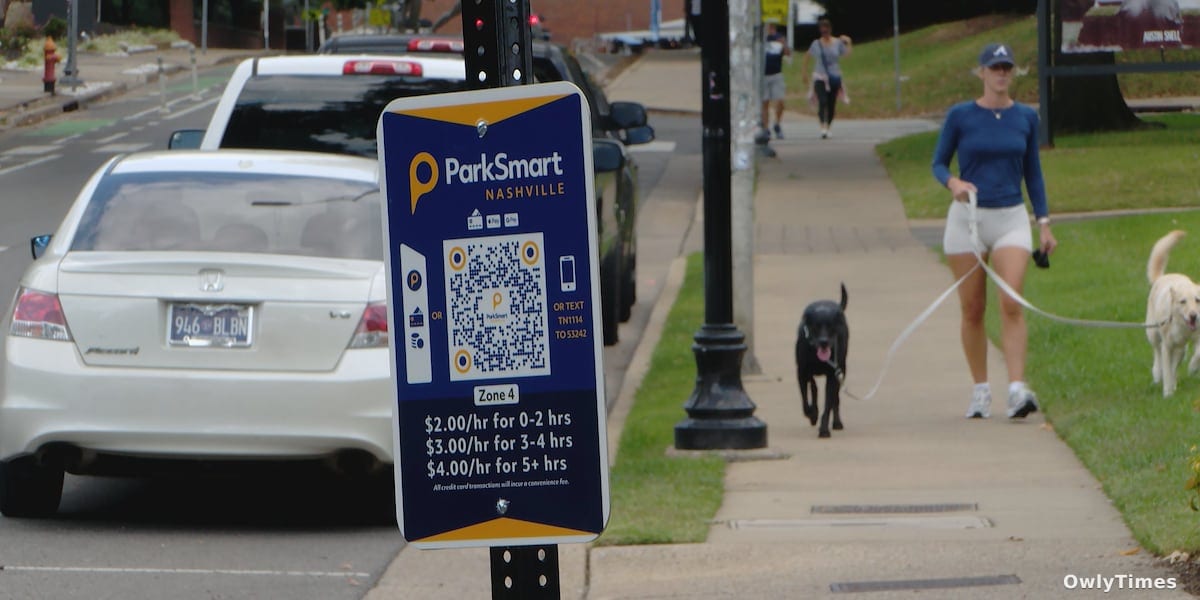

The chipped Formica of the diner booth felt cold under Sarah Cannon’s elbows as she scrolled through parking ticket apps, each one a small, stinging reminder of the cost of chasing a dream in Nashville. Cannon, a session musician who’s laid down tracks for everyone from indie darlings to country chart-toppers, isn’t worried about record sales these days – she’s worried about affording to get to the recording studio. This isn’t a story about rising stars and sold-out tours; it’s about the quiet erosion of a working-class ecosystem, and a brewing fight over who gets to participate in the “Music City” narrative. The Nashville Entertainment Commission’s Wednesday meeting wasn’t about glamorous premieres, but a very real struggle for the musicians, engineers, and songwriters who underpin the city’s billion-dollar industry, and the sudden, unwelcome arrival of parking meters on Music Row.
A Row Built Differently: The Rhythm of a Working Community
Music Row isn’t like a typical 9-to-5 business district. It’s a constellation of studios, publishing houses, and production companies operating on a different clock. A session musician might spend 14 hours meticulously crafting a single guitar riff, while a songwriter might pop in for a quick co-write, leaving after just an hour. This fluidity, this unpredictable rhythm, is precisely what makes the area a creative incubator. But the recent implementation of paid parking – a move, according to commission members, that wasn’t “properly vetted” – threatens to disrupt that delicate balance. The issue isn’t simply about convenience; it’s about the financial viability of a career already defined by instability. Consider this: the average income for a Nashville musician, according to a 2023 study by the Nashville Musician’s Association, hovers around $35,000 a year. Adding even a $10-a-day parking fee quickly eats into that already slim margin.
See the original wsmv.com story for the full account.
Beyond the Meter: The Cost of “Music City” Branding
Nashville has spent decades cultivating the image of “Music City,” a brand that attracts tourists, investment, and a constant influx of aspiring artists. But the city’s rapid growth – the population has increased by over 25% in the last decade – has come at a cost. Rising rents, a competitive housing market, and now, expensive parking, are squeezing out the very people who built the city’s reputation. This isn’t an isolated incident. Across the country, cities grappling with gentrification are facing similar dilemmas: how to preserve the cultural fabric that makes them unique while accommodating economic development. The tension is palpable. Commissioner Bill Potter articulated the core of the problem during the meeting: “This is about – we’re making a living. We shouldn’t have to be punished and have to pay to go to work.” It’s a sentiment that resonates far beyond Music Row, echoing the anxieties of artists and creatives in cities like Austin, New Orleans, and Los Angeles.
A Vetted Process? Questions Surround the Parking Rollout
The commission’s criticism of the parking implementation isn’t just about the cost, but the process. The claim that it wasn’t “properly vetted” raises serious questions about transparency and stakeholder engagement. Why were the concerns of the music industry – an industry that generates an estimated $1.4 billion annually for the Nashville economy – seemingly overlooked? The Nashville Department of Transportation (NDOT) has yet to publicly address these concerns, but the commission is now actively seeking a dialogue to explore potential changes. This isn’t simply a matter of tweaking parking rates; it’s about recognizing the unique needs of a specific community and ensuring that city policies support, rather than hinder, its growth. The situation highlights a broader issue: the disconnect between city planning and the lived realities of those who contribute to a city’s cultural identity.
What Happens When the Music Stops?
The fight over parking on Music Row is more than a local dispute; it’s a microcosm of a larger cultural struggle. It’s a question of whether Nashville wants to remain a genuine hub for music creation, or simply a polished tourist destination about music. If the city continues to prioritize revenue generation over the well-being of its creative workforce, it risks losing the very essence of what makes it special. The commission’s push for change is a crucial first step, but the real test will be whether the NDOT is willing to listen and collaborate. Will Nashville find a way to balance economic growth with the needs of its artists? Or will the sound of music slowly fade as the cost of playing becomes too high? The industry, and the soul of the city, is listening for the answer.