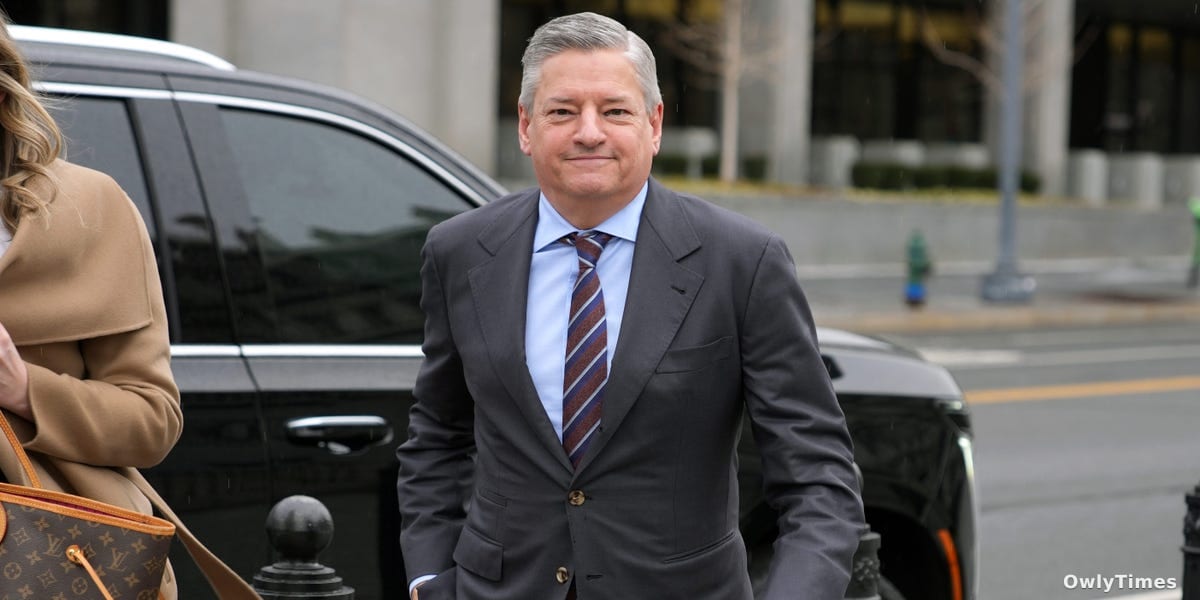

The scent of power and popcorn hung thick in the air last Thursday, as Ted Sarandos, co-CEO of Netflix, paid a visit to the White House. It felt like a scene ripped from a political thriller, a last-minute lobbying push before a monumental deal closed. But the next day, Netflix abruptly walked away from acquiring a significant chunk of Warner Bros. Discovery, leaving Hollywood reeling. The official line? Money. But in a media landscape increasingly entangled with political currents, can we really believe it was just about the price?
The $27.75 Line in the Sand
Sarandos insists the decision hinged on a firm financial ceiling. “I just believed in them up to $27.75 a share,” he told Bloomberg, referring to the original offer for WBD’s studio and HBO unit. This isn’t a simple case of buyer’s remorse; it’s a calculated retreat. Netflix, currently valued at roughly $278 billion, isn’t shy about spending – they’ve invested heavily in original content, reaching $17 billion in 2023 alone. But the willingness to walk away from a deal potentially worth tens of billions signals a new level of fiscal discipline, or perhaps, a strategic recalibration. The streaming wars are no longer about simply acquiring content; they’re about profitability, a metric Wall Street is demanding with increasing urgency. Netflix’s subscriber growth, while still impressive at 269.6 million worldwide as of Q4 2023, has slowed, putting pressure on the company to demonstrate sustainable earnings.
This article draws on reporting from Business Insider.
Beyond the Bid: A White House Visit and Shifting Alliances
The timing of the withdrawal, so soon after the White House meeting, immediately sparked speculation. Was there a quiet conversation, a subtle signal from the administration that this deal wasn’t viewed favorably? Sarandos vehemently denies any connection, calling the meeting “very productive, nothing out of the ordinary.” But the context is crucial. Larry Ellison and David Ellison, the father-son duo behind Paramount, were actively courting Donald Trump, with David Ellison even attending the State of the Union as the guest of Senator Lindsey Graham. This isn’t a coincidence. The Ellisons understand the power of aligning with influential figures, particularly in an election year. While Sarandos downplays the political dimension, claiming the President “stayed completely neutral,” the optics are undeniable.
The narrative quickly became less about Netflix versus Warner Bros. Discovery and more about a potential power play involving a former president and a media empire. Trump has publicly expressed his disdain for CNN, a WBD property, stating it was “imperative that CNN be sold.” The Netflix bid didn’t include the news network, making it a less appealing option from Trump’s perspective. Sarandos clarifies that once Trump realized Netflix wasn’t interested in CNN, his level of interest waned, but the implication remains: political considerations, however subtly, influenced the outcome. This isn’t about a direct order from the White House, but about navigating a landscape where media ownership is increasingly viewed through a political lens.
The CNN Factor and a Changing Media Landscape
The fact that CNN became a pivotal point in the deal underscores a larger trend: the blurring lines between news and entertainment, and the growing politicization of media. The Ellisons’ willingness to potentially appease Trump by keeping CNN within their portfolio speaks to a broader strategy of navigating the political landscape. This isn’t simply about business; it’s about access and influence. The proposed Paramount-WBD merger, now poised to create a media behemoth, will control a vast array of content, from blockbuster films to cable news. The regulatory scrutiny surrounding the deal will be intense, and the Ellisons’ political maneuvering could prove to be a significant advantage.
What This Means for the Future of Streaming
Netflix’s retreat isn’t just a story about a failed acquisition; it’s a signal that the era of unchecked spending in the streaming wars is coming to an end. The focus is shifting from subscriber growth at all costs to sustainable profitability. More importantly, it highlights the increasing influence of politics on the media industry. The Ellisons’ strategy demonstrates that cultivating relationships with political figures can be as important as securing content deals. As streaming services continue to consolidate and compete for dominance, we can expect to see more instances where business decisions are intertwined with political considerations. The question now isn’t whether Netflix will try another major acquisition, but whether the political landscape will allow any streaming service to operate independently of Washington’s influence. Will the next media merger require a seat at the table with a former president? That’s the scenario the industry – and viewers – should be watching for.