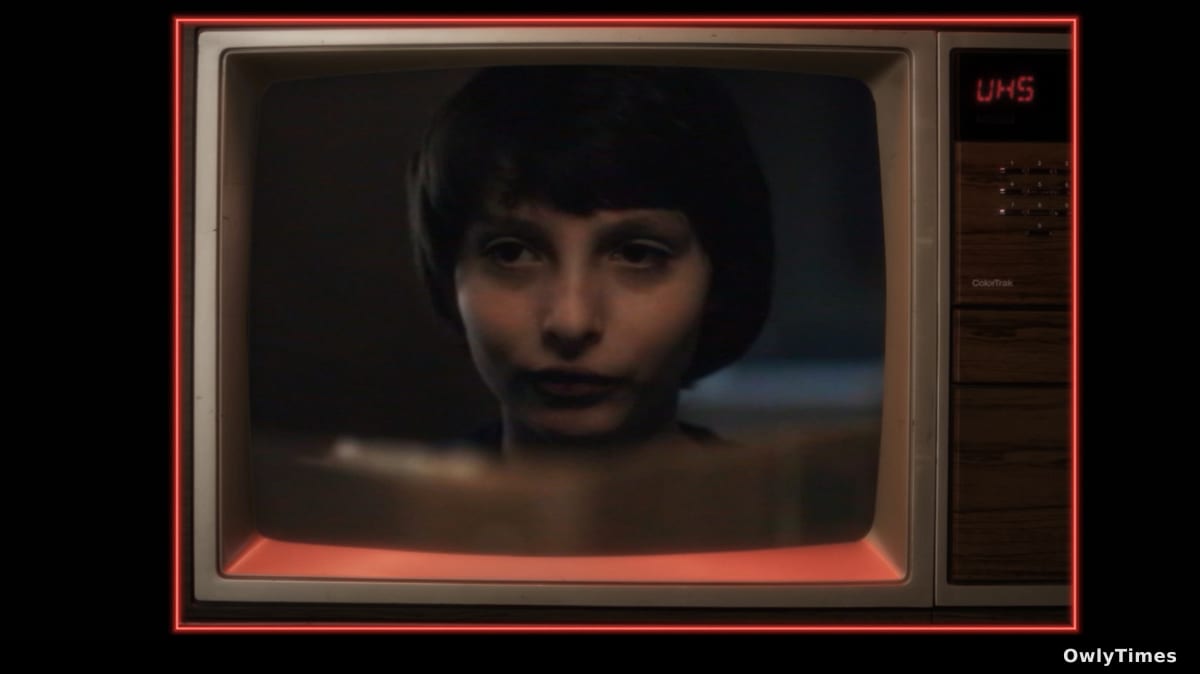

The static crackles, the screen narrows into a boxy 4:3 frame, and for a moment, the high-definition gloss of modern streaming vanishes, replaced by the warm, slightly fuzzy haze of a 1980s magnetic tape. Netflix’s latest experiment in nostalgia, a "VHS" special edition of Stranger Things Season 1, invites viewers to "rewatch like it’s 1983," complete with pan-and-scan editing and the grainy, soft-focus aesthetic of a rented videocassette, according to Engadget. It is a move that underscores the streamer's ongoing commitment to squeezing every drop of cultural capital from its marquee franchises, turning a digital library into a curated experience of retro mimicry.
The Stranger Things universe is currently experiencing a multipronged expansion, moving far beyond the simple playback of its past. While the VHS filter attempts to anchor the audience in the show’s original decade, Netflix is simultaneously pushing into interactive entertainment. As reported by Variety, the company is set to launch "Netflix Minigolf" on July 28. This couch co-op title, developed by the streamer’s internal studio Next Games, allows up to four players to compete on levels inspired by Stranger Things, Squid Game, and Bridgerton.
The sheer scale of these intellectual properties is staggering. Variety notes that Season 5 of Stranger Things secured 8.46 billion viewing minutes in its opening week, while Squid Game Season 3 dominated with 60.1 million views in its first three days. These figures clarify why Netflix is doubling down on "cross-pollination" strategies, where viewers aren't just watching content, but actively engaging with it through game mechanics like the "Pranks" system in the upcoming minigolf title.
Beyond the immediate ecosystem of the Netflix app, the talent behind these blockbusters is carving out new, gritty territory in the broader television landscape. Karl Gajdusek, an executive producer on the first season of Stranger Things, is pivoting from the Upside Down to the Bronze Age. According to Deadline, Gajdusek is serving as showrunner for Odysseus, an independent series currently in development. Directed by Roel Reiné—who has previously helmed projects for Halo and Wu Assassins—the series aims to strip away the mythical adornments of Homer’s epic in favor of a "visceral and muscular" portrayal of the real Bronze Age.
The contrast between these projects reveals the current industry trend of balancing high-gloss, algorithm-driven nostalgia with the prestige of historical "realpolitik." While the Stranger Things VHS release relies on the warmth of collective memory, the Odysseus project, which plans to begin shooting early next year in Greece and Armenia, seeks to ground ancient legends in a "backstage" look at history, per Deadline.
Ultimately, this convergence of VHS filters, minigolf mechanics, and epic historical drama speaks to a larger shift in how entertainment giants maintain dominance. Whether through "nostalgia bait" that keeps subscribers tethered to a platform’s history or the pursuit of an "expanded series universe" that targets new, mature demographics, the industry is signaling that intellectual property is no longer a static product. For Netflix, the success of the Stranger Things VHS experiment will dictate whether we see similar treatments for subsequent seasons, serving as a real-time test of just how much power the past still holds over the future of streaming.