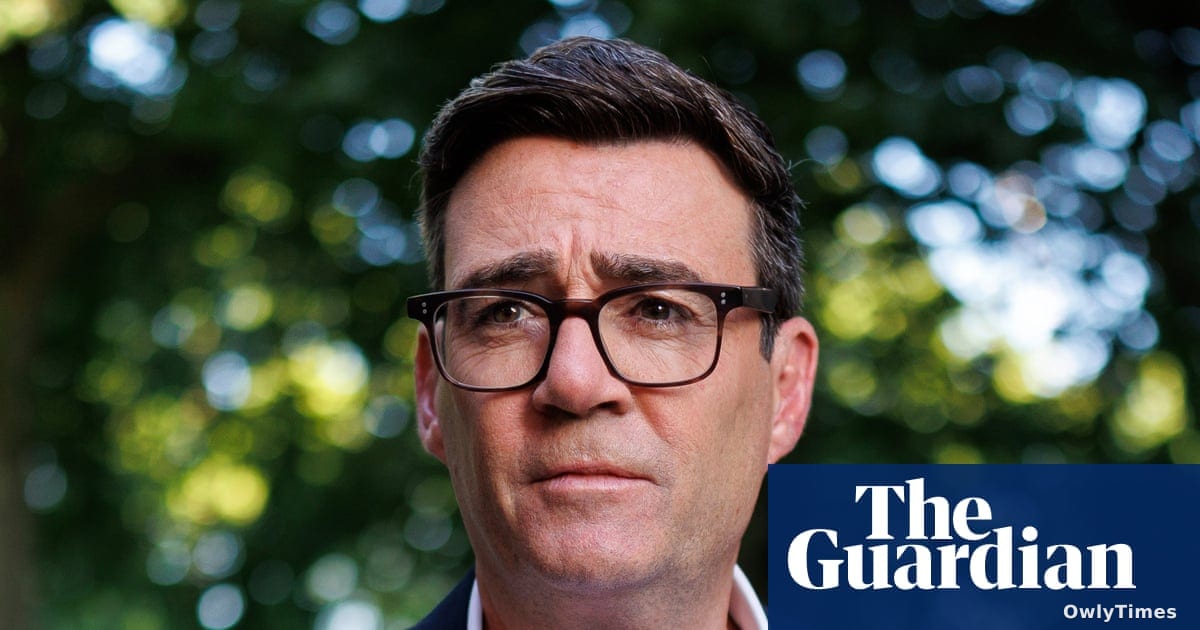

322 Labour MPs have thrown their weight behind Andy Burnham in the first day of leadership nominations, placing the former Greater Manchester mayor one signature shy of the threshold that would mathematically eliminate any potential challenger. As the only declared candidate to replace outgoing Prime Minister Sir Keir Starmer, Burnham is currently on track to be crowned leader at a special party conference on July 16, followed by a formal ascension to Downing Street on July 20, according to the BBC and Euronews.
Follow the money and the political calculus, and the shift in party direction becomes clear. The transition follows Starmer’s June 22 resignation, which occurred the same day Burnham was sworn back into Parliament following a by-election victory. While the party’s rank-and-file MPs are signaling a desire for a "breath of fresh air," as one anonymous lawmaker told the AFP, the new leadership is already moving to distance itself from the policy baggage of the previous administration.
Most notably, Burnham has issued a public apology for Labour’s initial response to the war in Gaza, conceding that the party “didn’t get it right” and must perform better, as reported by both The Guardian and Al Jazeera. This pivot is a direct response to the electoral hemorrhaging the party suffered as young and progressive voters defected to the Green Party; an Opinium poll cited by The Guardian found that two-thirds of those defectors identified Labour’s stance on Gaza as a primary driver. Burnham has signaled a tougher stance moving forward, floating the potential for further sanctions on individuals and a ban on trade with illegal settlements, though he stopped short of declaring the situation a genocide, deferring that classification to international courts.
The financial and operational implications of this leadership change are significant. Burnham has pledged to maintain current government borrowing limits to reassure markets, yet he inherits a challenging fiscal landscape that includes an “anaemic” growth rate and a cost-of-living crisis. Furthermore, the incoming administration faces a pending £15bn military spending increase over the next four years, a plan finalized by Starmer in his final days that relies on budget cuts elsewhere. According to the BBC, Burnham has indicated he intends to retain national security adviser Jonathan Powell and seek a "sustained increase" in defense investment.
For investors and the public, the primary takeaway is a move toward regional decentralization. Burnham’s signature proposal, "No. 10 North," aims to shift power away from Westminster to coordinate local housing and transport policy. While he promises a "rewired" economy, the immediate horizon remains dominated by the transition: if Burnham secures his 323rd nomination by July 16, the party will avoid a summer-long contest, allowing for an accelerated transition of power. What this means for your wallet is a period of policy recalibration; while fiscal discipline remains the stated goal, the shift toward a more aggressive stance on trade with settlements and the potential for new, undefined public control over energy and water sectors suggests a departure from the status quo that market participants will need to monitor closely as he prepares to meet King Charles on July 20.