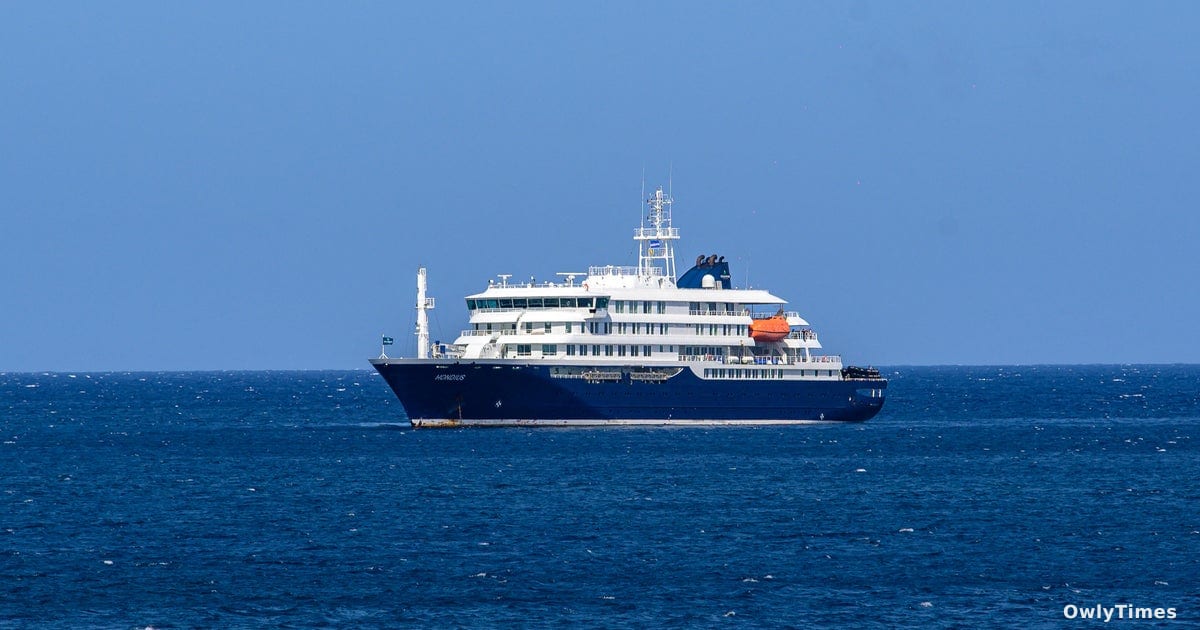

The emergence of a suspected hantavirus outbreak aboard the MV Hondius, a specialist polar cruise ship currently anchored off the coast of Cape Verde, presents a complex diagnostic puzzle for global health authorities. While hantaviruses are typically associated with terrestrial rodent populations, the infection of individuals at sea raises significant questions regarding transmission vectors in isolated environments. As of May 4, 2026, the World Health Organization (WHO) and South Africa’s Department of Health have confirmed that the situation has resulted in three deaths and at least three additional illnesses, prompting a coordinated effort to contain the pathogen while navigating the logistical hurdles of maritime quarantine.
To understand the severity of this event, one must distinguish between the common understanding of the virus and the clinical reality reported by the U.S. Centers for Disease Control and Prevention (CDC). Hantaviruses are a family of pathogens categorized into two primary clinical syndromes: hantavirus pulmonary syndrome, which compromises lung function, and hemorrhagic fever with renal syndrome, which targets the kidneys. While headlines may suggest a widespread contagion, the WHO has emphasized that the risk to the general public remains low. The current investigation is focusing on the specific strain involved, with laboratory sequencing currently underway to determine the precise viral profile.
The timeline of the crisis highlights the challenges of monitoring health in remote maritime travel. The MV Hondius departed Argentina approximately three weeks prior to the outbreak, with an itinerary that included stops in Antarctica and the Falkland Islands. The first fatality, a 70-year-old man, necessitated a body removal in the British territory of Saint Helena. Subsequently, his wife passed away in a South African hospital after collapsing at an airport, while a third individual remains on the vessel. Oceanwide Expeditions, the operator of the ship, is currently coordinating with authorities in Cape Verde to facilitate medical evacuation for two symptomatic crew members.
Limitations to consider in this outbreak involve the nature of the diagnostic process and the isolation of the vessel. Because hantavirus infections are rare and often mimic other respiratory or renal illnesses, early detection is difficult in a shipboard environment. Furthermore, the Dutch foreign ministry and Cape Verdean health officials have maintained a strict stance on docking, prioritizing containment by refusing to allow passengers to disembark at the port of Praia. This creates a logistical tension: while isolation is necessary to prevent community spread, it complicates the provision of intensive care, such as that currently being administered to a British national in a Johannesburg hospital.
The scientific community is closely monitoring the National Institute for Communicable Diseases in South Africa as they conduct contact tracing for those who may have crossed paths with the infected passengers. While the late Betsy Arakawa’s death from hantavirus in New Mexico last year brought public attention to the risks posed by rodent-borne pathogens, this cruise ship incident represents a unique epidemiological challenge. The next reading of the WHO’s ongoing laboratory and public health risk assessment will be the definitive signal of whether this outbreak is contained or if further, more aggressive containment measures will be required for the remaining 150 tourists and 70 crew members aboard the MV Hondius.