
The air in Manchester’s Millyard district hung thick with anticipation Thursday evening, not for a concert or a festival, but for a “rogue’s gallery.” The Manchester Historic Association, partnering with the Majestic Theatre, wasn’t staging a typical historical reenactment; they were inviting attendees to meet “Manchester’s Most Wanted” – Victorian-era criminals resurrected for an interactive evening of cocktails and “mischief.” It’s a peculiar event, certainly, but it speaks to a larger trend: a hunger for immersive experiences, for history that feels alive, and for entertainment that doesn’t just occupy our time, but actively pulls us into a narrative. This isn’t just about reliving the past; it’s about understanding how the anxieties and fascinations of previous eras echo in our own.
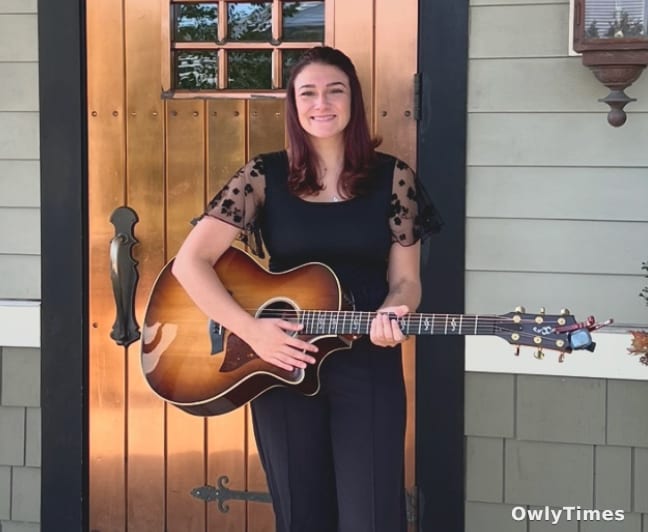
The WEEKENDER, as always, is brimming with these kinds of opportunities, a testament to the vibrant, if often overlooked, ecosystem of live performance across New Hampshire. From the intimate settings of Bedford’s Copper Door, hosting Bella Perotta on Thursday and Marc Apostolides Saturday, to the larger venues like the Palace Theatre gearing up for Cabaret later this month, the sheer volume of options is striking. But beyond the listings – John Chouinard at Fratello’s, Lewis Goodwin at Homestead, the dizzying array of acts at Stumble Inn – lies a story about the resilience of local music and the evolving demands of an audience craving connection. The Ted Herbert Music School & Rentals, sponsoring this weekly guide, isn’t just supporting musicians; they’re investing in a cultural infrastructure that’s vital to the state’s identity.
Reporting from manchester.inklink.news informs this analysis.
What’s particularly noticeable this week is the diversity of offerings. Friday alone presents a spectrum from the high-energy tribute act Who’s Bad: The Ultimate Michael Jackson Experience at the Palace Theatre, promising a spectacle honed over decades of performance (they’ve sold out venues across the UK and boast over 100 years of collective professional experience), to the more intimate, piano-driven fun of Dueling Pianos of NH at Tupelo Music Hall. This isn’t a simple case of “something for everyone”; it’s a reflection of a fragmented cultural landscape where audiences are increasingly self-selecting into niche communities. The success of a band like Who’s Bad, consistently drawing crowds, isn’t just about nostalgia for Michael Jackson; it’s about finding a shared experience within a dedicated fanbase. Conversely, Dueling Pianos thrives on spontaneity and direct audience participation, offering a different kind of communal energy.
The presence of acts like Black Violin at the Nashua Center for the Arts on Saturday further complicates the picture. Their story – classically trained violinists who transitioned into blending strings with hip-hop beats – is a powerful example of genre-bending and cultural fusion. Having earned two Grammy nominations, including one in collaboration with The Blind Boys of Alabama, they represent a deliberate effort to break down barriers and reach new audiences. This isn’t just about musical innovation; it’s about challenging preconceived notions of what “classical” music can be and who it’s for. Their success demonstrates a growing appetite for artists who aren’t afraid to experiment and push boundaries, a trend that’s particularly pronounced among younger audiences. The fact that they’ve consistently sold out performances, including a two-night run at the Kennedy Center, speaks volumes about their appeal.
But the sheer number of options also reveals a precariousness. Local venues, like those supported by Notso Costley Productions, are the lifeblood of this scene, yet they operate on thin margins. The WEEKENDER’s consistent promotion of these spaces is crucial, but it’s also a reminder that supporting local music requires more than just awareness; it requires active participation. The reminder to purchase tickets “DIRECTLY from the ACTUAL venue and not a third-party seller” isn’t just a logistical note; it’s a plea to protect the economic viability of these spaces. As larger entertainment conglomerates consolidate their power, the future of these independent venues – and the artists they support – hangs in the balance. Will audiences continue to prioritize these authentic, community-driven experiences, or will they be drawn to the convenience and scale of larger, more corporate events? That’s the question lingering beneath the surface of this week’s packed schedule.