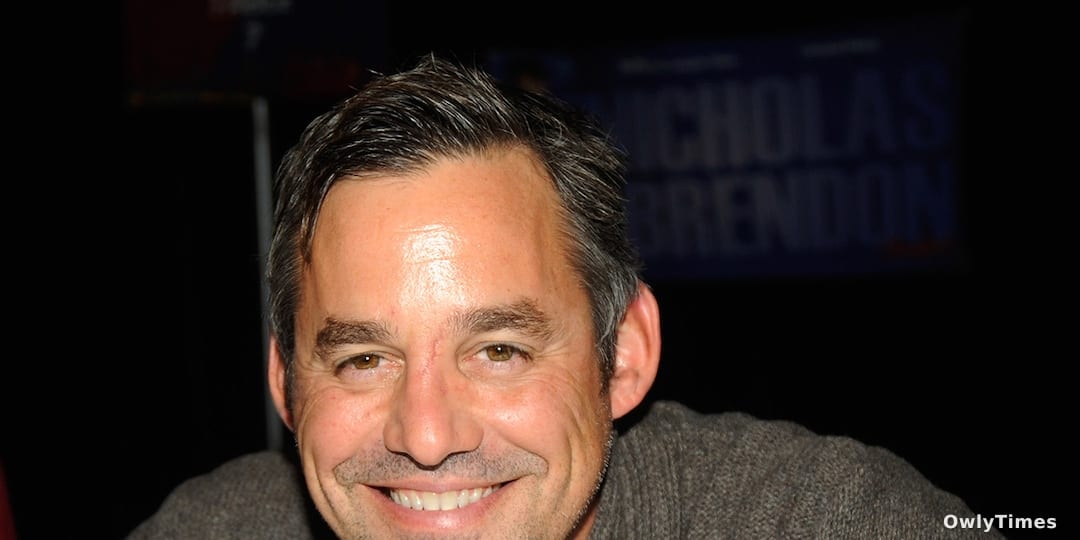

The Complex Cascade of Complications in Nicholas Brendon’s Passing
The recent passing of Nicholas Brendon, best known for his role as Xander Harris in Buffy the Vampire Slayer, has been widely reported as death from natural causes at age 54. However, framing his death so simply obscures a far more nuanced story – one of a years-long struggle with a constellation of interconnected health challenges, and a stark illustration of the burdens placed on individuals navigating complex medical systems. While headlines focus on the loss of a beloved actor, a closer look at the timeline of Brendon’s health battles reveals a pattern where one medical intervention appeared to trigger another, ultimately highlighting the often-overlooked ripple effects of even seemingly successful treatments.
See the original eonline.com story for the full account.
Brendon was remarkably open about his health struggles, a decision that allowed his family to share details with fans through social media, particularly during acute episodes. In August 2022, his sister publicly announced he’d been hospitalized for tachycardia, an abnormally fast heart rate, described as a congenital defect. This wasn’t an isolated incident. According to his manager, Theresa Fortier, the tachycardia emerged following a spinal surgery in October 2021. That surgery itself was a consequence of a fall in February 2021 that necessitated immediate intervention to prevent paralysis. This sequence – injury, surgery, new cardiac issue – isn’t merely unfortunate coincidence; it points to the potential for iatrogenic complications, where a medical treatment inadvertently causes a new problem. The American Heart Association reports that while congenital tachycardias are rare, affecting roughly 1 in 2,500 births, secondary tachycardia – that which develops because of another condition or treatment – is increasingly common, particularly in patients with pre-existing vulnerabilities or those undergoing invasive procedures.
The initial spinal injury stemmed from cauda equina syndrome (CES), a rare but serious condition where nerve bundles in the lower spine are compressed. The American Association of Neurological Surgeons emphasizes the urgency of CES treatment, as delays can lead to permanent neurological damage. Brendon underwent two spinal surgeries to address this, but the second, in 2021, appears to have been the catalyst for the cardiac issues. This isn’t to suggest fault, but rather to illustrate the inherent risks in complex surgeries, particularly those involving the spine. The proximity of the spinal cord to major blood vessels and the nervous system controlling heart function means interventions carry a potential for unintended consequences. It’s a critical reminder that even when a surgery is technically successful in addressing the primary problem, the body’s response can be unpredictable.
Beyond the physical toll, Brendon openly discussed the administrative and financial strain of navigating the healthcare system. He described the process of obtaining insurance pre-approvals as “nearly as emotionally exhausting and painful as dealing with my actual injuries.” This sentiment resonates with millions of Americans. A 2023 Kaiser Family Foundation poll found that 41% of U.S. adults report difficulty affording healthcare, and 31% say they’ve delayed or gone without needed care due to cost. Brendon’s experience underscores that the burden of illness extends far beyond the medical itself, encompassing a complex web of bureaucratic hurdles and financial anxieties. His continued engagement with art, sharing paintings on Instagram even during periods of intense medical struggle, speaks to a powerful need for creative outlet and a way to maintain agency in the face of overwhelming circumstances.
It’s important to acknowledge the limitations of drawing definitive conclusions from a single case. Brendon’s medical history is complex, and we are relying on publicly available information, primarily statements from his family and manager. Establishing a direct causal link between each medical event would require a thorough review of his complete medical records, which are not publicly accessible. However, his story serves as a poignant example of the interconnectedness of health challenges and the need for a more holistic approach to patient care. Future research should focus on identifying and mitigating the risk of iatrogenic complications following spinal surgery, and on developing strategies to streamline healthcare access and reduce the administrative burden on patients facing chronic illness. The question now isn’t simply how Nicholas Brendon died, but what can be learned from his journey to improve the experience for others navigating similarly complex medical landscapes. Will healthcare providers begin proactively screening for potential cardiac risks following spinal procedures, and will insurance companies address the systemic barriers to timely and affordable care? These are the questions his passing compels us to ask.





