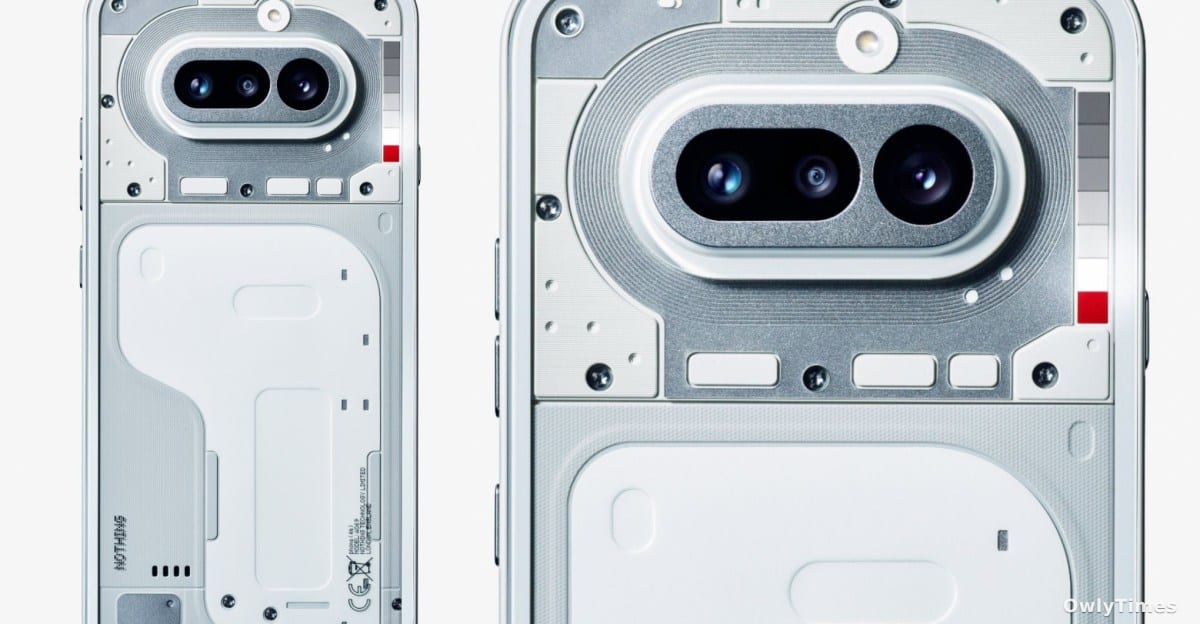

Is your phone trying too hard? Because Nothing’s latest reveal suggests a whole industry is about to double down on…flashing lights. The company just showed off the rear of its upcoming Phone 4A, and while the transparent design is still there, it’s the new “Glyph Bar” – a row of blinking LEDs – that’s demanding attention. The real story here isn't a new phone; it’s the escalating arms race to make our devices more distracting, and the increasingly desperate attempts to convince us that’s a feature, not a bug.
Beyond Transparency: The Glow-Up of Notification Anxiety
Nothing, founded by Carl Pei (previously of OnePlus), initially gained traction by offering a genuinely different aesthetic. The transparent back, revealing the phone’s internal components, felt like a subtle rebellion against the homogenous glass slabs dominating the market. It was a design choice that acknowledged the tech inside the phone, rather than trying to hide it. But with the Phone 4A’s Glyph Bar, that subtle rebellion feels…compromised. This isn’t about showcasing engineering; it’s about creating another attention-grabbing element competing for your already fractured focus. The new bar boasts nine individually controllable mini-LEDs – six white, one red – a significant upgrade from the three strips on the Phone 3A. Nothing claims a 40 percent brightness increase and “patented tech” for a “natural, neutral, bleed-free glow.” Translation: they’ve made the lights brighter and less annoying, but they’re still lights designed to pull you away from whatever you’re actually doing. Consider the average user, already bombarded with notifications, app badges, and endless scrolling. Do we really need another visual cue demanding our attention?
Original reporting: The Verge.
The Snapdragon Question and the Missing Phone 4
Details remain scarce, but Nothing has confirmed the Phone 4A will run on a Snapdragon chip. This is a fairly standard move for a midrange device, and doesn’t exactly set the world on fire. What is interesting is Pei’s confirmation that there won’t be a Phone 4 this year. The Phone 3, launched last year, will remain the company’s flagship. This is a curious decision, especially given the “4A” branding. It suggests Nothing is deliberately segmenting its market, focusing on refining its midrange offering while holding back on a major flagship overhaul. This could be a smart move, allowing them to consolidate resources and build a stronger brand identity within a specific price point. Or, it could be a sign that they’re struggling to innovate at the high end, relying instead on incremental updates and, yes, more prominent flashing lights. The full specifications, price, and availability won’t be revealed until March 5th, leaving plenty of room for speculation – and, likely, more hype.
The Illusion of Customization and the Price of Attention
Nothing is framing the Glyph Bar as a customizable notification system, allowing users to assign different light patterns to specific contacts or apps. But let’s be honest: this isn’t about utility. It’s about creating a sense of ownership and personalization, masking the fact that you’re essentially training yourself to respond to yet another stimulus. It’s the digital equivalent of a slot machine, designed to trigger dopamine hits and keep you hooked. And it’s a tactic increasingly employed by tech companies desperate to stand out in a saturated market. The industry has already proven it can make phones faster, cameras better, and screens sharper. Now, the battleground is our attention. Jess Weatherbed reported on the initial reveal, but the implications extend far beyond a simple product launch.
What Happens When Every Phone Wants to Be a Disco Ball?
The Phone 4A’s Glyph Bar isn’t an isolated incident. Expect to see more manufacturers experimenting with similar features – customizable LEDs, dynamic back panels, even haptic feedback patterns designed to be…noticeable. The question isn’t whether this trend will continue, but how far it will go. Will we reach a point where phones are actively competing to be the most distracting devices in our pockets? And, more importantly, will users eventually push back, demanding devices that prioritize focus and well-being over flashy gimmicks? My prediction: within 18 months, we’ll see a counter-movement emerge – a demand for “Zen Phones” with minimal visual distractions and a focus on digital minimalism. The companies that listen will thrive; the ones still chasing the glow will be left in the dark.





