
Is the tech industry finally learning that you cannot simply "fix" art with an algorithm? We are currently witnessing a rare moment where a corporate behemoth has been effectively silenced by the sheer, unfiltered volume of public ridicule.
The real story here isn't the technical failure of Nvidia’s DLSS 5 AI filter; it’s the quiet, calculated way developers are starting to push back against the "AI-everything" mandate. Almost two months have passed since the company debuted its so-called AI-powered breakthrough, and in the weeks since, the silence from the manufacturer has been deafening. When a company known for aggressive marketing stops talking about a marquee feature, you know the internet’s collective eye-roll hit its mark.
When the AI Gets Too Aggressive with the Makeup
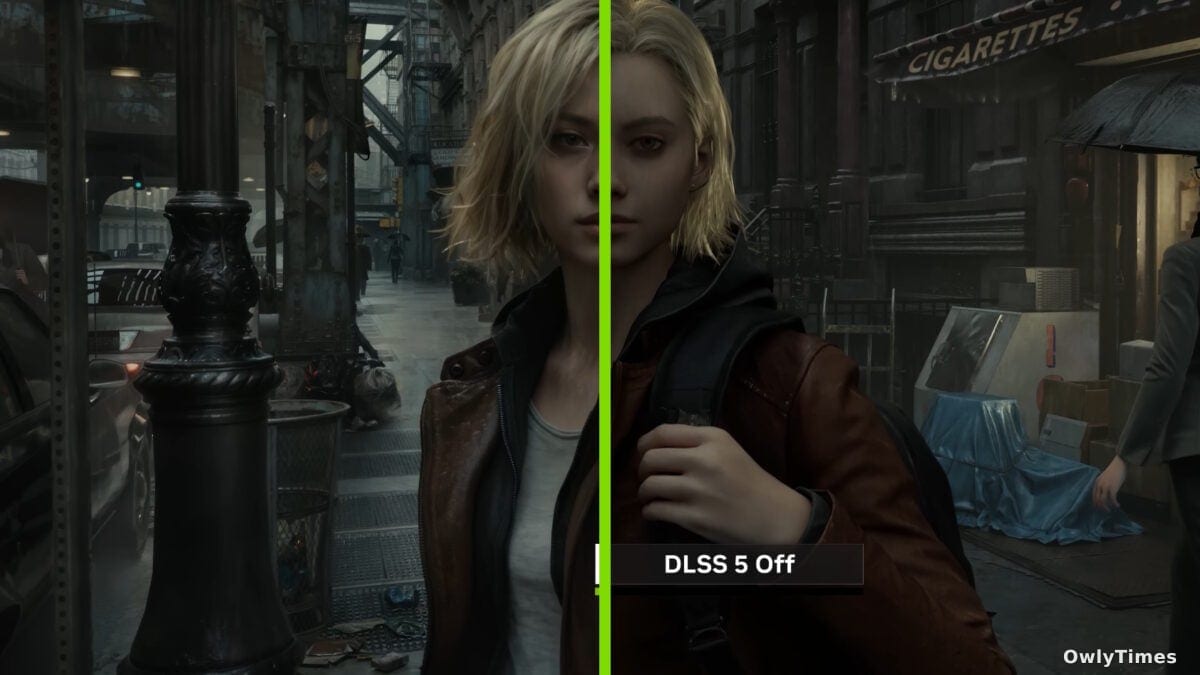
The catalyst for this standoff was Resident Evil Requiem, specifically the redesign of protagonist Grace Ashcroft. When she was thrust into the spotlight during the March 16 reveal, the result was a masterclass in how AI can strip the soul out of a character design. The filter, intended to enhance performance, instead inexplicably embellished her makeup, turning a grounded character into a uncanny-valley mannequin.
This wasn't just a minor glitch; it triggered thousands of "DLSS 5 Off/DLSS 5 On" memes. To the average user, these memes were a joke, but to the industry, they were a loud rejection of the idea that generative tech should be used to "improve" artistic intent. When tech companies treat creative assets as raw data to be manipulated, they lose the audience that actually cares about the medium.
A Diplomatic Rebellion from Capcom
The most fascinating part of this saga is how Capcom is handling the fallout. During an interview with Eurogamer, game director Koshi Nakanishi and producer Masato Kumazawa were given an opening to address the controversy. Instead of playing the role of the obedient partner, Kumazawa navigated the partnership with a masterclass in corporate subversion.
He framed the massive negative reaction to Grace’s AI-altered look as a "huge positive," arguing that the outcry proved how much fans loved the original design. By pivoting to the strength of the character rather than the capability of the tech, Kumazawa effectively signaled that the developers weren't behind the change. It is a very smart form of rebellion—complimenting the human art to highlight the failure of the automated filter, all while keeping the business contract intact.
The Limits of Algorithmic Creative Control
For the ordinary user, this matters because it highlights a growing tension between those who build the hardware and those who make the software that runs on it. Nvidia may hold the keys to the processing power, but developers are the ones who have to face the players when the AI goes rogue on a character model.
We are moving into an era where "AI-powered" is no longer a selling point; it is a liability. If developers continue to see their work distorted by external filters, the pushback will only get louder. The next reading of the industry's adoption rate for DLSS 5 will show whether Nvidia can recover its reputation or if this "breakthrough" is destined to become a cautionary tale in the annals of over-engineered tech.